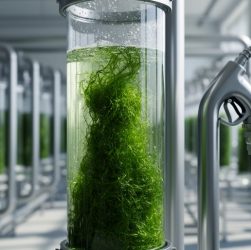
Green algae biomass in a transparent cultivation tank with modern biorefinery equipment and pipelines in the background, representing biofuel production.

What Is a Biofuel? (And How It Powers Our Future)

A biofuel is a renewable energy source derived from organic matter, known as biomass, that can replace or supplement conventional fossil fuels in transportation, heating, and electricity generation. Unlike petroleum-based fuels formed over millions of years, biofuels are produced from recently living biological materials including crops, agricultural waste, algae, and organic municipal waste. This fundamental distinction makes them part of the short-term carbon cycle rather than releasing ancient carbon stores into the atmosphere.
The concept matters because global energy systems face mounting pressure to decarbonize while …
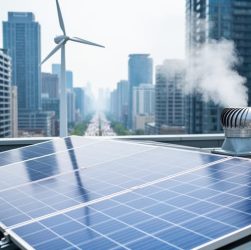
“Rooftop solar panels and a small urban wind turbine above dense high-rise buildings, with steam rising from a nearby heat recovery system.”

What Is Renewable Energy in Cities (and How Does It Work)?

Renewable energy in cities refers to the generation and use of clean power from sources like solar, wind, geothermal, and biomass within dense urban environments where buildings, infrastructure, and millions of people compete for limited space. As of 2026, over 55% of the global population lives in urban areas, and cities consume roughly three-quarters of the world’s energy while producing a disproportionate share of greenhouse gas emissions. This concentration makes urban centers both critical contributors to climate change and essential frontiers for decarbonization.
Cities face unique challenges in deploying renewable …

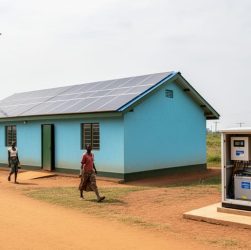
Rural off-grid renewable energy installation with solar panels on a clinic roof and a small wind turbine nearby, with community members walking in the background.

What Is Renewable Energy in Developing Countries (and How Does It Work)?

Renewable energy in developing countries refers to electricity and thermal power generated from naturally replenishing sources like solar, wind, hydro, biomass, and geothermal resources, deployed specifically to address energy poverty and accelerate economic growth in nations with limited or unreliable grid infrastructure. Unlike traditional fossil fuel systems that require centralized power plants and extensive transmission networks, these technologies can be installed at scales ranging from individual household solar kits to community microgrids and utility-scale wind farms.
The significance extends beyond environmental benefits. …

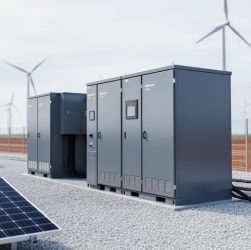
Grid-scale battery energy storage cabinets at a solar farm, with solar panels and wind turbines softly visible in the distance.

What Is Energy Storage Technology (and How Does It Work)?

Energy storage technology captures electricity or other forms of energy and holds it for later use, enabling power to be consumed at a different time than when it was generated. This capability has become essential to the global transition toward renewable energy, solving one of clean power’s most fundamental challenges: the sun doesn’t always shine, and the wind doesn’t always blow. Without effective storage, solar panels and wind turbines can only supply electricity when conditions permit, forcing grids to rely on fossil fuel backup or curtail excess clean generation when demand is low.
The storage landscape has …

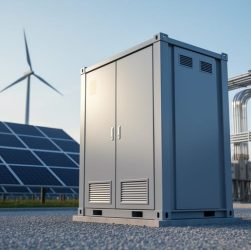
Containerized battery energy storage system next to solar panels with a wind turbine on the distant horizon.

What Is Renewable Energy Storage Technology (and How Does It Work)?

Renewable energy storage technology encompasses the systems and methods used to capture energy produced from renewable sources like solar and wind, store it, and release it when needed. These technologies bridge the gap between intermittent energy generation and consistent power demand, transforming renewable sources from supplemental options into reliable baseload providers.
The challenge is straightforward: solar panels generate electricity only when the sun shines, and wind turbines spin only when air moves. Without storage, excess energy generated during peak production hours goes to waste, while periods of low generation …

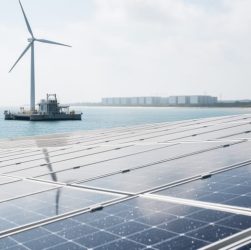
Coastal renewable energy scene with solar panels in the foreground and a floating offshore wind turbine over calm water, with battery storage units suggested near the horizon.

What Are the Emerging Trends in Renewable Energy (and How Are They Reshaping the Sector)?

Trends in renewable energy describe the evolving patterns, technologies, and market shifts that define how clean power is generated, stored, and distributed across the global energy system. As of 2026, these trends encompass breakthrough innovations in solar efficiency, offshore wind expansion, green hydrogen production, and grid-scale battery storage that collectively promise to accelerate the transition away from fossil fuels.
Understanding what’s emerging in this sector matters because the renewable energy landscape is no longer a static catalogue of established technologies. The field is experiencing rapid transformation …

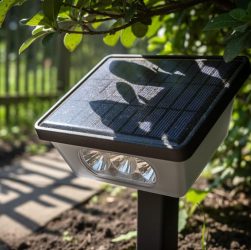
Solar pathway light on a garden walkway with leafy branches casting shadows over its solar panel, illustrating environmental causes of poor performance.

Why Don’t My Solar Lights Work Properly? Environmental and Performance Issues Explained

The most common environmental factor behind solar light failure is chronic shading from vegetation growth, which cuts photovoltaic output by 50 to 90 percent within a single growing season. Before assuming a broader environmental problem, inspect the panel surface for dirt accumulation and check whether nearby plants, structures, or seasonal foliage now block direct sunlight during peak hours (typically 10 a.m. to 2 p.m.). A quick wipe-down and branch trimming often restores full function within 24 hours as the battery recharges.
Beyond these immediate fixes, solar lighting systems face genuine environmental challenges across their …

Volunteers wearing gloves collect plastic and sea debris from wet sand into a reusable bin during a coastal cleanup.

12 Environmental Awareness Events to Know in 2026

Environmental events span a remarkable spectrum, from community tree-planting days mobilizing dozens of volunteers to global virtual summits drawing millions of participants. These gatherings serve a dual purpose: raising critical funds for conservation initiatives while catalyzing lasting behavioral change through hands-on engagement and education. Whether you’re seeking inspiration for your next fundraising campaign or evaluating which events merit your participation and support, the landscape offers proven formats across physical and digital spaces, each with distinct planning requirements and impact potential.
The most …

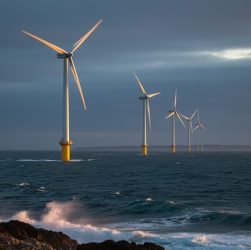
Offshore wind turbines on the U.S. East Coast at dusk, viewed from the shoreline with choppy water in the foreground.

Offshore Wind Projects News Update: What Changed and What to Watch in 2026

On December 22, 2025, the Department of the Interior halted construction on five major offshore wind projects along the U.S. East Coast, citing national security concerns identified in classified reports from the Department of War. The pause affects Vineyard Wind 1, Revolution Wind, CVOW, Commercial, Sunrise Wind, and Empire Wind 1, representing the largest disruption to the American offshore wind sector since the industry’s launch.
The federal action marks an abrupt shift in policy for an administration that had previously accelerated offshore wind lease approvals. While the specific security concerns remain classified, the …

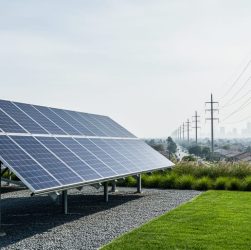
Modern solar panel array in the foreground with distant power lines and utility poles representing community electricity supply and grid infrastructure.

Clean Power Alliance vs. SCE: Which Fits Your Energy Goals?

For most California households and businesses in Clean Power Alliance territory, Clean Power Alliance offers better value through lower rates, a higher renewable energy mix, and local accountability, making it the preferred choice over Southern California Edison for grid-supplied electricity. The deciding factor is straightforward: CPA procures cleaner power at competitive prices while SCE continues to deliver it through the existing infrastructure, giving customers the environmental benefit without sacrificing reliability or service quality.
Key Takeaway: Clean Power Alliance automatically …