

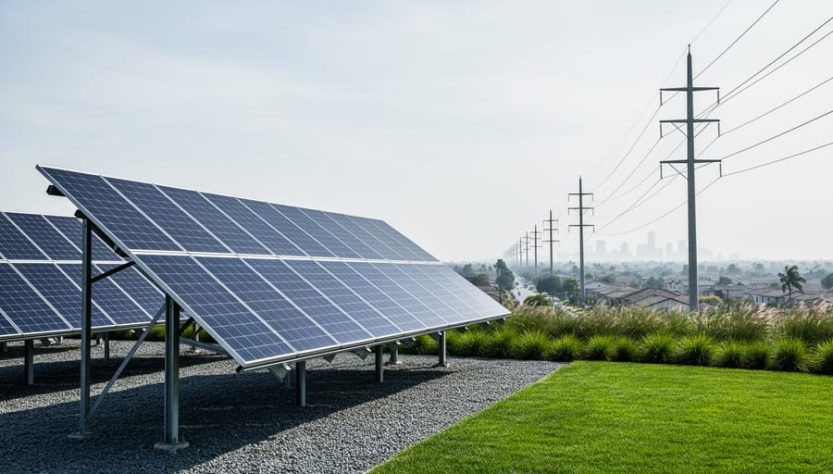
For most California households and businesses in Clean Power Alliance territory, Clean Power Alliance offers better value through lower rates, a higher renewable energy mix, and local accountability, making it the preferred choice over Southern California Edison for grid-supplied electricity. The deciding factor is straightforward: CPA procures cleaner power at competitive prices while SCE continues to deliver it through the existing infrastructure, giving customers the environmental benefit without sacrificing reliability or service quality.
This relationship confuses many residents because both names appear on the same bill, yet they serve fundamentally different functions. SCE, California’s legacy investor-owned utility established in 1886, owns and maintains the physical grid infrastructure: power lines, substations, meters, and the crews who restore service after outages. Clean Power Alliance, launched in 2018 as Los Angeles County’s Community Choice Aggregation program, purchases electricity on behalf of 35 member communities but owns no wires or poles. Understanding this division of labor is essential before evaluating which option aligns with your priorities.
The comparison matters because your choice directly impacts your electricity costs, carbon footprint, and support for local renewable energy projects like the Clean Power Alliance Solar Storage Project, a flagship initiative demonstrating CPA’s commitment to building resilient, locally-controlled clean energy infrastructure. While both providers serve the same households through the same physical grid, they differ sharply in governance structure, renewable content, rate flexibility, and long-term strategic vision. For residents weighing financial savings against environmental impact, or businesses seeking to meet sustainability targets without complex contract negotiations, clarifying these distinctions transforms an opaque bureaucratic choice into an informed decision about California’s energy future.
At-a-Glance: Clean Power Alliance vs. SCE
Choosing between Clean Power Alliance and Southern California Edison starts with understanding what sets them apart. The table below distills the most significant differences across the dimensions that matter for your energy decision.
| Feature | Clean Power Alliance | Southern California Edison |
|---|---|---|
| Organization Type | Community Choice Aggregator (joint powers authority governed by local governments) | Investor-owned utility regulated by the CPUC, serving shareholders and ratepayers |
| Renewable Energy Content | 50% (Lean Power), 60% (Clean Power), 100% (100% Green Power) | Approximately 40% renewable and carbon-free under standard service; opt-in green programs available |
| Rate Competitiveness | Generation rates typically at or slightly below SCE for comparable service tiers | Default generation rates set by CPUC; competitive with CPA’s Lean Power option |
| Customer Flexibility | Automatic enrollment with easy opt-out; switch service tiers anytime or return to SCE | Default provider; customers can opt into green tariffs or switch to CPA if eligible |
| Infrastructure & Service | Procures generation only; SCE handles transmission, distribution, and outage response | Owns and operates the physical grid; responsible for all delivery infrastructure and maintenance |
This snapshot reveals that CPA and SCE serve distinct but complementary roles. CPA focuses on sourcing cleaner electricity and offering customers renewable tiers that exceed state minimums, while SCE maintains the poles, wires, and grid reliability everyone depends on. If your priority is maximizing renewable content and supporting local energy governance, CPA’s structure and service options deliver that advantage. If you prefer the default utility relationship or have specific needs tied to SCE programs, staying with SCE remains a viable path. Either way, you’re working with the same reliable grid infrastructure.
What Clean Power Alliance and SCE Actually Are
Clean Power Alliance: A Community-Driven Energy Provider
Clean Power Alliance operates as a joint powers authority formed by cities and counties across Los Angeles and Ventura. Rather than answering to distant shareholders, CPA reports directly to the local governments and communities it serves. This governance structure allows the organization to prioritize renewable energy procurement and regional reinvestment over profit maximization.
CPA’s core mission centers on delivering cleaner electricity at competitive rates while funding local energy programs. The organization procures renewable power through long-term contracts with solar, wind, and storage facilities, then offers customers three service tiers: Lean Power (around 40% renewable), Clean Power (approximately 50% renewable as the default), and 100% Green Power (entirely renewable). Customers can switch between tiers or opt back to SCE at any time without penalty.
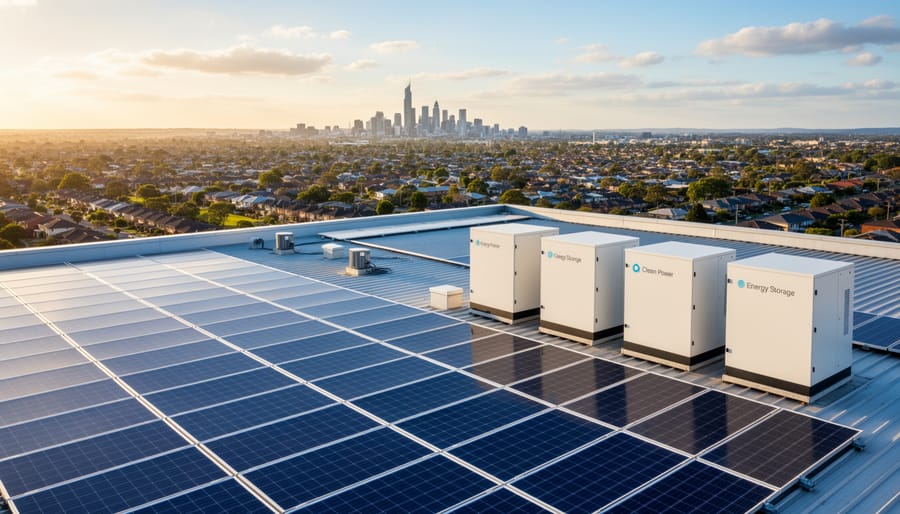
Beyond purchasing clean energy, CPA invests revenues into infrastructure that accelerates California’s transition away from fossil fuels. The Clean Power Alliance Solar Storage Project exemplifies this commitment, combining solar generation with battery capacity to enhance grid stability and renewable integration. Such energy storage innovations address the intermittency challenges inherent in wind and solar power, ensuring that clean electrons flow when demand peaks. By funding these tangible projects rather than distributing profits to external investors, CPA transforms customer payments into regional environmental and economic benefits.
Southern California Edison: The Incumbent Utility
Southern California Edison serves as the incumbent investor-owned utility for 15 million people across 50,000 square miles of central, coastal, and Southern California. Unlike Clean Power Alliance, SCE operates as a for-profit corporation accountable to shareholders while remaining subject to stringent regulatory oversight by the California Public Utilities Commission. This dual accountability shapes its business model, rate structures, and investment priorities.
SCE owns and maintains the transmission lines, distribution infrastructure, substations, and grid equipment that deliver electricity to homes and businesses, regardless of whether customers receive generation from SCE or a community choice aggregator. When customers switch to CPA, SCE continues to handle all physical delivery, meter reading, outage response, and infrastructure maintenance. This arrangement means SCE collects distribution and transmission charges on every bill, even for CPA customers who receive generation from a different provider.
As California’s default electricity supplier in its service territory, SCE provides power automatically to all eligible customers who do not actively choose an alternative. The utility has steadily increased its renewable energy procurement to comply with state mandates, reaching approximately 35 percent renewable content as of 2026, with commitments to phase out fossil fuel generation in alignment with California’s decarbonization timeline. SCE also offers opt-in green power programs for customers seeking higher renewable percentages, though these typically carry premium charges above standard rates and require deliberate enrollment rather than automatic participation.
Head-to-Head: Comparing CPA and SCE Across Key Dimensions
Renewable Energy Content and Carbon Impact
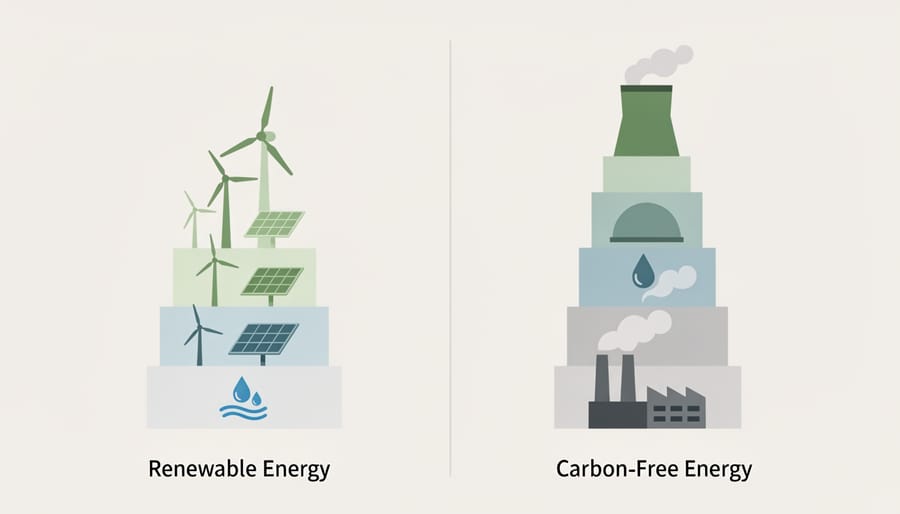
Clean Power Alliance delivers substantially higher renewable energy content than SCE’s default service across all three tiers. CPA’s entry-level Lean Power option provides approximately 36% renewable energy, already exceeding California’s current RPS mandate, while Clean Power (the default for most customers) delivers around 50% renewable and 100% carbon-free electricity through a mix of renewables and large hydroelectric power. Customers seeking maximum environmental impact can select 100% Green Power, sourced entirely from renewable generation including solar, wind power benefits and geothermal.
SCE’s standard power mix, by comparison, contains approximately 35-40% renewable energy, meeting state compliance requirements but lagging behind CPA’s default offering. SCE offers opt-in programs like Green Rate (50% or 100% renewable), but these require customer initiation and typically carry premium charges.
Both providers report their renewable percentages through annual Power Content Labels verified by the California Energy Commission, ensuring transparency and accountability. CPA’s higher renewable baseline translates to measurably lower greenhouse gas emissions per kilowatt-hour, aligning with renewable breakthroughs driving California’s aggressive decarbonization targets. Customers prioritizing immediate carbon reduction gain clearer advantages with CPA’s automatically-enrolled clean energy tiers versus SCE’s conventional mix.
Pricing, Rates, and Bill Predictability
Understanding the true cost difference between Clean Power Alliance and SCE requires separating generation charges from transmission and distribution fees. Regardless of which provider you choose for electricity generation, SCE continues to manage the physical grid infrastructure and bills you separately for delivery.
CPA’s generation rates have historically tracked close to or slightly below SCE’s default rates for comparable service. For residential customers, CPA’s Clean Power tier, its default 50% renewable option, typically runs within pennies per kilowatt-hour of SCE’s standard generation charge. CPA’s 100% Green Power tier commands a modest premium, usually 1-2 cents per kWh above the baseline, while the Lean Power option (minimum renewable requirement) offers the lowest generation cost.
Commercial and industrial customers often see more pronounced savings with CPA, particularly those with high consumption where even fractional rate differences compound across thousands of kilowatt-hours monthly. Rate competitiveness fluctuates as both providers adjust tariffs in response to fuel costs, capacity purchases, and regulatory requirements.
Bill predictability remains comparable between the two. Both entities file rate cases and adjust charges periodically. CPA rates have proven stable since launch, avoiding the sharp increases some early critics predicted. Transmission and distribution charges appear identically on your bill whether CPA or SCE supplies your power, so total bill comparisons hinge primarily on generation rate differentials and your consumption tier.
Customer Control and Enrollment Flexibility

Clean Power Alliance operates on an automatic enrollment model with opt-out rights. When CPA launches service in a new jurisdiction, eligible customers receive advance notice, typically 60 days, explaining the change, rate comparison, and instructions to opt out if they prefer SCE. Customers who take no action are enrolled in CPA’s default Clean Power tier. Those who want higher renewable content can upgrade to 100% Green Power online or by phone, often within minutes. Switching between CPA’s service tiers carries no penalty or fee, and customers can return to SCE at any time by submitting a simple opt-out request. The transition back takes one to two billing cycles.
SCE functions as the default provider for customers who never enrolled in CPA or who opted out. Upgrading to SCE’s green energy options, such as their Green Rate program, requires customers to actively enroll, typically through an online portal or customer service call. Unlike CPA’s tiered structure, SCE’s green programs operate as premium add-ons rather than alternative default settings.
This structural difference means CPA customers enjoy passive access to cleaner energy with active flexibility, while SCE customers must take deliberate steps to increase renewable content beyond the standard mix.
Local Investment and Community Benefits
Clean Power Alliance operates as a not-for-profit public agency, meaning revenues beyond operational costs flow back into local communities rather than to private shareholders. CPA directs these funds toward workforce development initiatives, energy efficiency rebates, electric vehicle infrastructure, and renewable generation projects within its service territory. The Clean Power Alliance Solar Storage Project exemplifies this commitment: a 290-megawatt battery storage facility paired with 400 megawatts of solar generation in Kern County, designed to enhance grid reliability while accelerating California’s transition to clean energy. CPA also funds technical training programs that prepare local workers for careers in the renewable sector, creating economic opportunities tied directly to the region’s energy infrastructure.
Southern California Edison, as an investor-owned utility, distributes a portion of earnings to shareholders while reinvesting in grid modernization, wildfire mitigation, and transmission upgrades. SCE supports community programs including low-income assistance, energy education, and STEM scholarships. However, its primary obligation lies with ratepayers and investors rather than localized revenue reinvestment. Both entities contribute to regional economic activity through employment and infrastructure spending, but their accountability structures differ fundamentally: CPA answers to member municipalities and reinvests locally by design, while SCE balances shareholder returns with regulatory compliance and system reliability.
Reliability, Infrastructure, and Customer Service
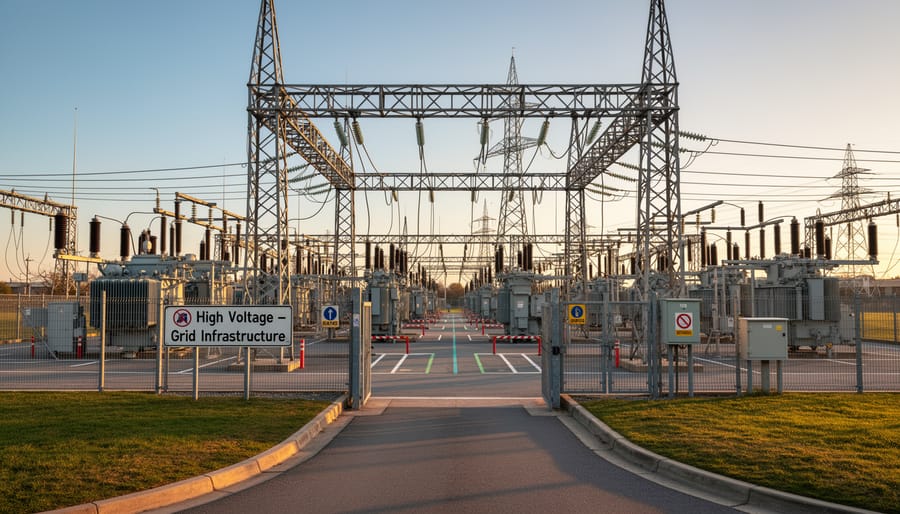
A common misconception is that switching to Clean Power Alliance means leaving SCE’s infrastructure behind. In reality, SCE continues to own and operate the entire transmission and distribution network, the poles, wires, substations, and transformers, for all customers in its service territory, including those enrolled in CPA. When an outage occurs, SCE crews respond regardless of your generation provider. Grid reliability, maintenance schedules, and emergency restoration services remain unchanged.
This arrangement means CPA customers experience identical infrastructure reliability to SCE customers. Your power doesn’t flow through different wires or face higher outage risk simply because CPA supplies your generation. The distinction lies entirely in the source of electricity fed into SCE’s grid, not the physical delivery system.
Customer service splits by function. SCE handles all infrastructure issues: outages, meter readings, line repairs, and connection requests. CPA manages generation-related inquiries: billing for generation charges, service tier changes, and enrollment questions. Both entities issue separate line items on a single monthly bill, which SCE produces and sends. For billing disputes involving generation charges, contact CPA directly; for delivery charges or infrastructure concerns, call SCE. This dual-channel model requires knowing which provider manages your specific issue, but once clarified, resolution processes function smoothly for most customers.
Long-Term Environmental and Policy Alignment
California’s decarbonization targets, 100% clean electricity by 2045, set the backdrop for how CPA and SCE position themselves. CPA’s joint powers authority structure gives it agility: it can procure from new solar, wind, and battery storage projects without balancing shareholder dividends, allowing rapid deployment aligned with state mandates. The Clean Power Alliance Solar Storage Project exemplifies this forward stance, pairing generation with grid-scale batteries to smooth renewable intermittency. CPA also participates in emerging renewable tech pilots, including long-duration storage and green hydrogen integration, positioning members at the frontier of California’s energy transition.
SCE, regulated by the CPUC, follows a deliberate, capital-intensive roadmap. It invests billions in transmission upgrades, wildfire hardening, and grid modernization, foundational work that benefits all customers, including CPA’s. SCE’s long-term resource plans prioritize reliability and resilience alongside decarbonization, but shareholder obligations and regulatory approval cycles can slow innovation adoption.
For customers valuing cutting-edge climate action and local policy influence, CPA’s governance model offers tighter alignment. Those prioritizing comprehensive grid infrastructure and stability may see SCE’s regulated trajectory as complementary assurance. Both ultimately converge on California’s shared environmental goals, but their paths differ in speed, governance, and community engagement.
Who Should Choose Clean Power Alliance, and Who Should Stay with SCE
Choosing between Clean Power Alliance and SCE boils down to what you prioritize most: renewable energy ambition, cost considerations, local governance, or simplicity. Neither option is universally superior, the right fit depends on your energy goals, budget constraints, and how actively you want to engage with your electricity provider.
Clean Power Alliance is the stronger choice if you:
- Want to maximize renewable energy without installing rooftop solar, CPA’s 100% Green Power tier delivers higher carbon-free content than SCE’s standard mix.
- Value local control and community reinvestment over shareholder profits, CPA channels revenues into regional programs and infrastructure like battery storage projects.
- Seek competitive rates with transparent green options, CPA’s Lean and Clean tiers often match or undercut SCE generation charges while offering more renewables.
- Prioritize environmental sustainability and want to align your electricity spending with California’s climate goals, CPA’s mission centers on decarbonization.
- Prefer automatic enrollment in cleaner energy with the freedom to adjust service tiers or opt out, CPA defaults you to Clean Power but lets you switch up or down anytime.
Staying with SCE makes sense if you:
- Want zero decision-making and are satisfied with SCE’s evolving renewable portfolio, the incumbent utility handles everything by default.
- Rely on specific SCE programs, rebates, or legacy contracts tied to your account, some incentives may not transfer to CPA.
- Have complex commercial or industrial energy needs requiring customized SCE tariffs or demand response programs not yet matched by CPA.
- Value the familiarity of a single, long-established utility handling both generation and delivery under one brand, SCE’s integrated structure simplifies billing and service.
For residential customers prioritizing affordability and greener energy, CPA’s Clean Power tier typically delivers the best balance. Small businesses focused on sustainability credentials and local impact benefit from CPA’s transparency and reinvestment model. Large commercial users should compare both providers’ rates and program offerings carefully, as savings and service features vary by load profile and location. The key is to match your priorities, environmental leadership, cost, control, or simplicity, to the provider that delivers them most effectively.
What Each Option Is
Before diving into a detailed comparison, it’s essential to understand what Clean Power Alliance and Southern California Edison actually represent within California’s energy system.
Clean Power Alliance is a Community Choice Aggregator, a public agency formed by local governments in Los Angeles and Ventura counties. It purchases electricity on behalf of residents and businesses within its service area, prioritizing renewable and carbon-free sources. CPA operates as a joint powers authority, meaning participating cities and counties govern it collectively rather than private shareholders. Customers are automatically enrolled but retain the freedom to opt out and return to SCE at any time.
Southern California Edison is an investor-owned utility serving roughly 15 million people across central, coastal, and southern California. As the incumbent provider, SCE owns and operates the physical infrastructure, power lines, substations, transformers, that delivers electricity to your home or business. Even if you switch to CPA for generation, SCE continues handling transmission, distribution, maintenance, and outage response. SCE answers to shareholders and state regulators, balancing profit objectives with mandated renewable energy standards.
Understanding this structural difference clarifies the nature of the choice: CPA offers an alternative source of electricity, while SCE remains your infrastructure provider regardless.
Dimension-by-Dimension Comparison
When evaluating Clean Power Alliance against SCE, four dimensions consistently shape customer decisions: renewable energy composition, rate competitiveness, control over energy sourcing, and community reinvestment priorities.
Renewable content separates the two most clearly. CPA’s default Clean Power tier delivers approximately 50-60% renewable energy, substantially higher than SCE’s standard mix, which hovers around 38-42% renewable depending on the year. CPA’s 100% Green Power option eliminates all fossil fuel generation, while SCE’s Preferred Green Rate requires an additional fee for comparable renewable percentages.
Pricing remains competitive but variable. CPA’s generation rates typically match or slightly undercut SCE’s, though both providers’ rates fluctuate with market conditions. Transmission and distribution charges, identical for both since SCE owns the infrastructure, constitute roughly half of total bills regardless of generation provider.
Customer flexibility favors CPA. Automatic enrollment with simple opt-out and free tier switching contrasts with SCE’s default service, where customers must actively enroll in green programs and may face switching fees.
Local impact differentiates governance models. CPA reinvests surpluses into regional energy programs and storage projects, while SCE distributes profits to shareholders. For customers aiming to reduce electricity use through efficiency incentives, both offer programs, though CPA’s local focus often yields more tailored initiatives.
Common Questions About Clean Power Alliance and SCE
How do I know if I’m eligible for Clean Power Alliance?
Eligibility depends on your service address, if you live or operate a business in one of the participating cities or unincorporated areas of Los Angeles or Ventura counties, you’re automatically enrolled when CPA begins serving your area. You’ll receive a notification letter from CPA before your service starts, giving you time to opt out if you prefer to remain with SCE.
Will my power reliability change if I switch to or from CPA?
No. SCE owns and maintains the transmission and distribution infrastructure regardless of whether CPA or SCE supplies your electricity generation, so grid reliability, outage response times, and service restoration procedures remain identical for all customers in the service territory.
Can I opt out of CPA and return to SCE at any time?
Yes. You can opt out of CPA and return to SCE generation service at no charge, though you may need to wait until the next billing cycle for the switch to take effect. You can also move between CPA’s service tiers or return to CPA later if you change your mind.
How are CPA’s renewable energy claims verified?
CPA’s renewable energy percentages are verified through Renewable Energy Credits tracked by the Western Renewable Energy Generation Information System and audited for compliance with California’s Renewables Portfolio Standard requirements. The California Public Utilities Commission oversees this verification process to ensure accuracy and prevent greenwashing.
Do CPA customers still pay SCE charges on their bills?
Yes. Your bill will include SCE’s transmission, distribution, and public purpose program charges, while the generation charge comes from CPA. The total bill reflects services from both entities, with SCE continuing to handle billing, meter reading, and all physical grid services.
Are solar incentives or net metering programs affected by choosing CPA over SCE?
Net metering eligibility and most incentive programs remain available regardless of your generation provider, since these programs are typically tied to your utility account and grid connection through SCE. However, CPA offers its own local solar and storage incentive programs that SCE customers cannot access, so switching may open additional funding opportunities rather than limit them.
These questions reflect the practical concerns customers raise when weighing their options. The key insight is that choosing CPA doesn’t fundamentally change your relationship with SCE’s physical infrastructure, you’re simply selecting who procures the electrons fed into that grid. This separation of generation from delivery is the foundation of California’s Community Choice Aggregation model, and understanding it clears up most confusion about billing, reliability, and service continuity.
For customers worried about administrative hassles, the process is deliberately frictionless. CPA handles enrollment automatically for eligible customers, SCE continues managing the physical service and billing platform, and opting in or out requires nothing more than a phone call or online form. The system is designed to make clean energy the path of least resistance rather than an obstacle course of paperwork and service interruptions.
Choosing between Clean Power Alliance and SCE isn’t about finding a universally “better” option, it’s about aligning your electricity service with what matters most to you. If maximizing renewable energy, supporting local energy projects, and participating in community-driven governance rank high on your list, CPA’s tiered service options and transparent reinvestment model deliver clear advantages. The Clean Power Alliance Solar Storage Project exemplifies how your energy dollars can fund tangible infrastructure improvements that benefit the region. For customers prioritizing cost predictability above all else, or those satisfied with SCE’s evolving renewable portfolio and established service framework, staying with the incumbent utility remains a perfectly reasonable choice.
The good news: you’re not locked into either decision permanently. California’s competitive energy structure gives you the flexibility to switch between providers as your priorities shift, whether that’s moving to 100% Green Power through CPA or returning to SCE’s default service. Both options deliver the same grid reliability, SCE maintains the physical infrastructure regardless of who supplies your generation, so your decision centers on energy source, rate structure, and organizational values rather than service continuity concerns.
Take stock of your current bill, clarify your environmental and financial goals, and make the switch if another provider better serves those objectives. California’s energy landscape puts real choice in your hands. Use it.