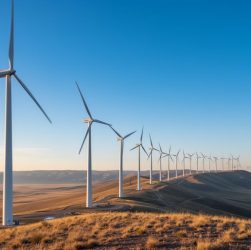
“Analyst in a hard hat holding a tablet in front of wind turbines and solar panels, representing renewable energy asset management.”

How Investment Companies Are Reshaping Renewable Energy Asset Management in 2026

Global investment in renewable energy exceeded $620 billion in 2026, with institutional asset managers, private equity firms, and specialized funds reshaping how capital flows into solar, wind, and emerging clean technologies. The companies leading this transformation aren’t simply writing checks. They’re building sophisticated portfolios that balance regulatory complexity, technological risk, and grid integration challenges while pursuing returns that compete with traditional energy sectors.
Understanding …

Residential rooftops with solar panels catching golden sunlight in a neighborhood setting

The Numbers Don’t Lie: Why Solar Energy Just Became Non-Negotiable

The planet’s energy infrastructure stands at a crossroads. Global temperatures have risen 1.1°C above pre-industrial levels, extreme weather events now cost the global economy over $200 billion annually, and fossil fuel price volatility continues to destabilize national budgets. Yet we possess a solution that has matured from experimental technology into the fastest-growing energy source in human history.
Solar energy has transitioned from an idealistic alternative to an economic imperative. Installation costs have plummeted 89% since 2010, making solar the cheapest electricity source in most countries. The technology now …

Elevated wide shot of a city block with rooftop solar arrays, electric buses charging, bioswales and bike lanes along the street, and distant wind turbines at golden hour.

How Urban Renewal Plans Are Reshaping Cities with Clean Energy

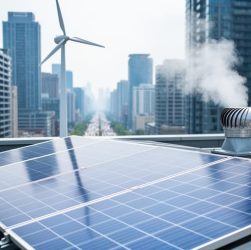
Cities worldwide are reinventing themselves through urban renewal plans that place clean energy at their core, transforming aging infrastructure into sustainable ecosystems that reduce emissions while improving quality of life. These comprehensive strategies integrate solar arrays on municipal buildings, wind turbines in peripheral zones, district heating networks powered by geothermal sources, and smart grids that optimize energy distribution across entire metropolitan areas. The urgency is clear: urban centers consume over 75 percent of…