

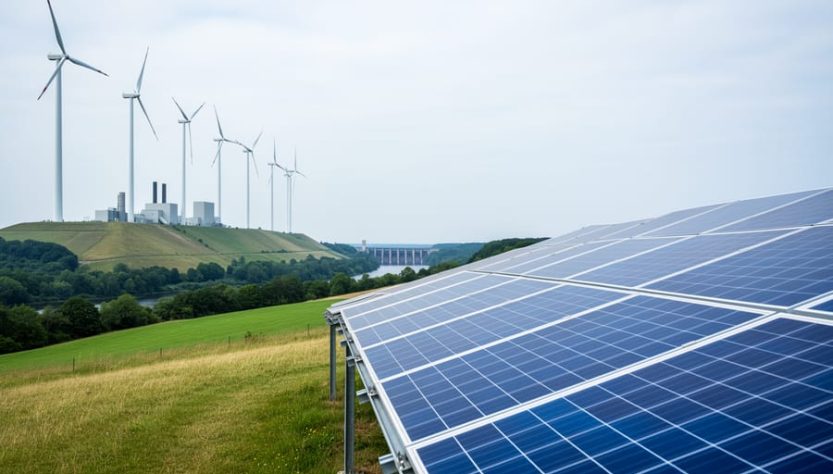
Germany’s renewable energy generation in 2026 refers to the actual electricity produced from wind, solar, hydro, and biomass sources during this year, measured in gigawatt-hours and terawatt-hours rather than the installed capacity figures often cited in industry reports. Understanding this distinction is essential because installed capacity represents the maximum potential output under ideal conditions, while generation data reveals how much renewable electricity Germany’s grid actually delivers to homes, businesses, and industrial facilities.
This matters because Germany continues its ambitious Energiewende policy, targeting 80% renewable electricity by 2030. Tracking actual generation helps policymakers assess whether new capacity additions translate into reliable power supply, identify grid integration challenges, and measure progress toward climate neutrality goals. For energy professionals and researchers, 2026 generation figures offer concrete evidence of how Germany’s renewable infrastructure performs under real operating conditions, including periods of low wind and limited sunshine that test grid stability.
This article examines Germany’s renewable electricity generation throughout 2026, breaking down contributions from wind power (both onshore and offshore), solar photovoltaics, hydroelectric facilities, and biomass plants. You’ll discover how generation patterns differ from installed capacity, what factors influence actual output, and how Germany manages the variability inherent in weather-dependent renewable sources through grid management and energy storage solutions.
Germany’s Renewable Energy Generation: Understanding the Basics
Renewable energy generation refers to the actual electricity produced by renewable sources at any given moment and fed into the grid, measured in gigawatts (GW). This differs fundamentally from installed capacity, which represents the maximum potential output a facility could theoretically achieve under ideal conditions. Understanding this distinction matters because Germany’s renewable infrastructure can host far more capacity than it generates in real-time, depending on weather patterns, time of day, and seasonal variations.
- Renewable Energy Generation
- The actual electricity being produced and supplied to the grid from renewable sources at a specific point in time, measured in gigawatts (GW). This represents real-world output rather than theoretical potential.
- Installed Capacity
- The maximum electrical output a renewable energy facility can produce under optimal conditions. Capacity exceeds generation because wind turbines need wind and solar panels need sunlight to operate.
- Gigawatt (GW)
- A unit of power equal to one billion watts or one thousand megawatts, commonly used to measure large-scale electricity generation. One gigawatt can power roughly 750,000 homes under typical conditions.
- Capacity Factor
- The ratio of actual electricity generated over time compared to the maximum possible generation if a facility operated at full capacity continuously. Renewable sources typically have lower capacity factors than fossil fuel plants due to weather dependence.
For 2026, Germany’s renewable generation stands at 31.23 GW, representing the actual electricity flowing from wind turbines, solar panels, and other renewable sources into the national grid. This figure reflects operational output during measurement periods, not the total installed capacity available across the country. Wind energy dominates this generation mix at 19.09 GW, while solar contributes 8.73 GW to the total.
The generation numbers tell us what Germany’s renewable infrastructure delivers in practice, shaped by weather patterns, geographic distribution of facilities, and grid management decisions. These figures provide the baseline for evaluating Germany’s progress toward its energy transition goals and understanding how renewable sources meet national electricity demand throughout 2026.
How Germany’s Renewable Energy System Works
Grid Integration and Energy Management
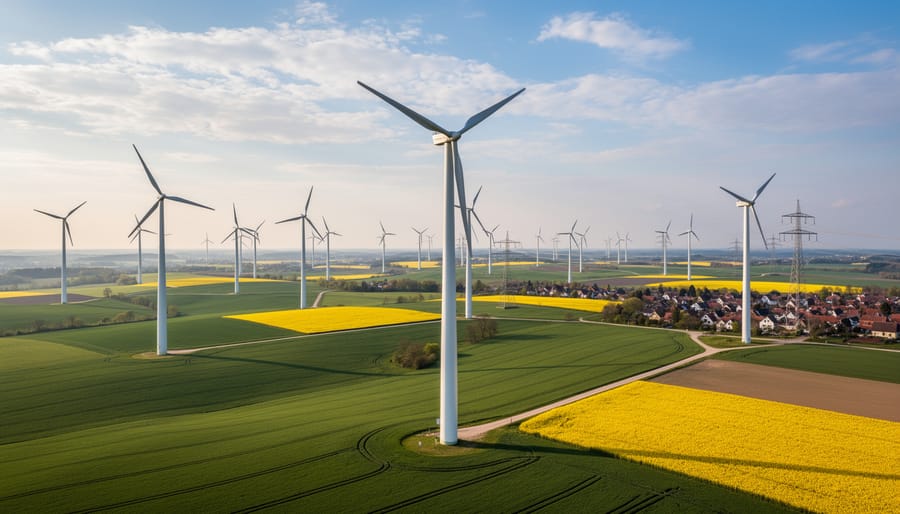
Germany’s 31.23 GW of renewable generation in 2026 flows through a sophisticated digital infrastructure designed to manage the inherent variability of wind and solar output. Unlike conventional power plants that dispatch electricity on demand, renewable sources generate based on weather conditions, creating a fundamental challenge: production peaks may not align with consumption patterns.
Grid operators address this mismatch through real-time monitoring systems that track generation from thousands of distributed sources across the country. When wind farms produce excess electricity during strong weather fronts, the grid either redirects power to high-demand regions, transmits it to neighbouring countries, or curtails output to maintain system stability. Conversely, when solar generation drops after sunset while household demand remains high, operators draw from conventional backup plants or imports.
Energy storage innovations play an increasingly vital role in smoothing these fluctuations, allowing excess generation to be captured during peak production hours and released when renewable output falls short.
This digital orchestration creates new vulnerabilities. Grid management platforms processing generation data from 19.09 GW of wind and 8.73 GW of solar facilities become attractive targets for cyber threats. Compromised control systems could manipulate generation data, disrupt load balancing, or trigger cascading failures across interconnected networks. As Germany’s renewable generation grows, securing these digital energy management systems against unauthorised access, data manipulation, and operational interference becomes as critical as protecting the physical infrastructure itself.
Components of Germany’s Renewable Generation Mix
Wind Energy: The Dominant Force at 19.09 GW
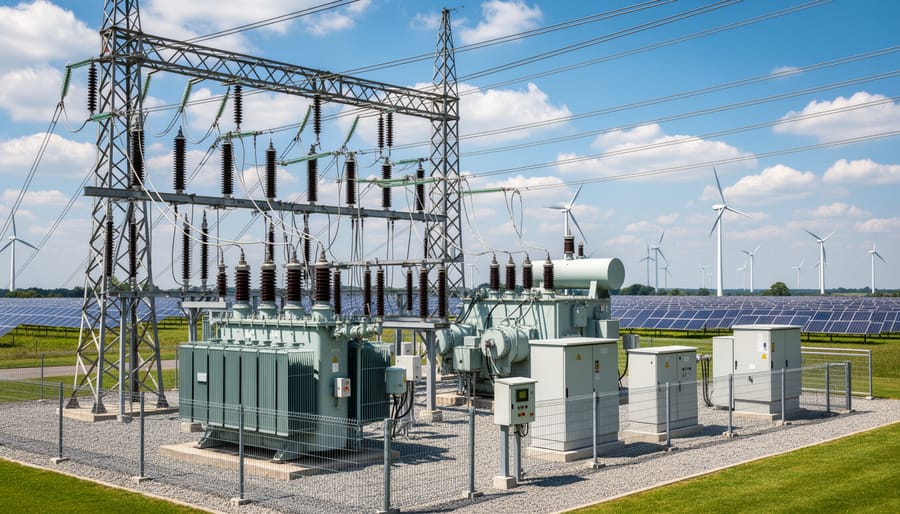
Wind energy dominates Germany’s 2026 renewable generation landscape, producing 19.09 GW and claiming 61% of the country’s total renewable output. This leadership position reflects both Germany’s early commitment to wind technology and its strategic expansion of generation capacity across onshore and offshore installations.
Understanding how wind turbines work helps explain why wind has become Germany’s primary renewable electricity source. The technology converts kinetic energy from moving air into electrical power through large-scale turbines positioned in high-wind locations, from North Sea offshore platforms to inland wind parks across northern states.
Germany’s offshore wind sector has been particularly significant in driving generation growth. As an early leader in offshore development, the country established robust North Sea and Baltic Sea installations that now contribute substantial baseload renewable electricity. The recent addition of 159 GW in wind capacity has strengthened the generation infrastructure supporting the 19.09 GW output figure, positioning wind as the cornerstone of Germany’s renewable energy transition toward its 100-110 GW planning targets.
Solar Power: 8.73 GW and Growing
Solar’s 8.73 GW contribution represents 28% of Germany’s renewable generation mix in 2026, cementing the technology’s position as the second-largest renewable source after wind. This generation figure reflects solar’s rapid expansion trajectory, with photovoltaic systems accounting for nearly three-quarters of Germany’s renewable capacity additions during the recent growth period. The scale of investment becomes clear when examining the record 510 GW additions across all renewable technologies, demonstrating why solar matters in Germany’s energy transition strategy.
Germany’s early leadership in solar PV deployment established the infrastructure foundation supporting today’s generation levels. Distributed rooftop installations complement utility-scale solar farms, creating a geographically diverse generation portfolio that helps smooth output variations across different weather zones. The legislative reforms supporting renewable energy planning and siting have removed previous barriers to solar project development, enabling faster connection of new capacity to the grid. Solar’s high share of new additions indicates continued strong growth potential, particularly as storage technologies mature to address intermittency challenges inherent in photovoltaic generation.
Hydropower and Other Sources
Beyond wind and solar, Germany’s renewable portfolio includes hydropower and biomass, though detailed 2026 generation figures for these sources remain limited in publicly available reports. Hydropower, with hydropower explained as electricity generated from flowing water, has historically provided stable baseload support to Germany’s grid. While the country’s geography limits large-scale hydro expansion compared to Alpine neighbors, existing facilities continue operating as reliable contributors to the renewable mix.
Biomass facilities, which convert organic materials into electricity, fill gaps in the generation profile when wind and solar output drops. These dispatchable sources offer flexibility that intermittent technologies cannot match. Together, hydropower and biomass complement the dominant wind and solar generation by providing stability and on-demand capacity.
The 31.23 GW total renewable generation figure for 2026 encompasses these diverse sources, each playing a distinct role in Germany’s energy transition. As the country pursues its 100-110 GW renewable planning targets, these established technologies maintain their operational importance despite receiving less attention than the rapidly expanding wind and solar sectors.
Uses and Applications of Germany’s Renewable Generation
Germany’s 31.23 GW of renewable generation in 2026 flows into diverse applications across the economy, powering everything from household appliances to heavy manufacturing. The bulk of this electricity feeds directly into the national grid, where it displaces fossil fuel generation and reduces carbon emissions across all consumption sectors. Grid operators distribute this renewable power to millions of residential customers, commercial buildings, and industrial facilities without distinction from conventional sources, once electrons enter the grid, their origin becomes functionally irrelevant to end users.
Industrial consumption represents the largest single application category for Germany’s renewable generation. Energy-intensive sectors like chemicals, steel production, and automotive manufacturing increasingly rely on renewable electricity to decarbonize operations, with some facilities installing on-site solar arrays or negotiating direct power purchase agreements from wind farms. The transportation sector constitutes another growing application area, as electric vehicle charging infrastructure draws from the renewable-rich grid, effectively converting wind and solar generation into mobility energy.
Key applications of Germany’s renewable generation include:
- Direct grid supply for residential, commercial, and institutional electricity demand
- Industrial electrification in manufacturing, chemical processing, and heavy industry
- Transportation infrastructure including electric vehicle charging networks and rail systems
- Cross-border electricity exports to neighboring European markets during high generation periods
- Hydrogen production through electrolysis for long-term energy storage and industrial feedstock
Germany’s 2026 generation capacity directly supports the legislative targets of 100-110 GW in renewable planning by demonstrating real-world output rather than theoretical potential. Export opportunities emerge during periods when generation exceeds domestic demand, with excess renewable electricity flowing to France, Austria, and other interconnected markets. This cross-border trade maximizes utilization of Germany’s wind and solar assets while contributing to regional decarbonization efforts. The practical value of renewable generation extends beyond kilowatt-hours delivered, it provides grid flexibility, reduces import dependence, and creates economic opportunities in equipment manufacturing and installation services.
The Cybersecurity Dimension of Renewable Generation
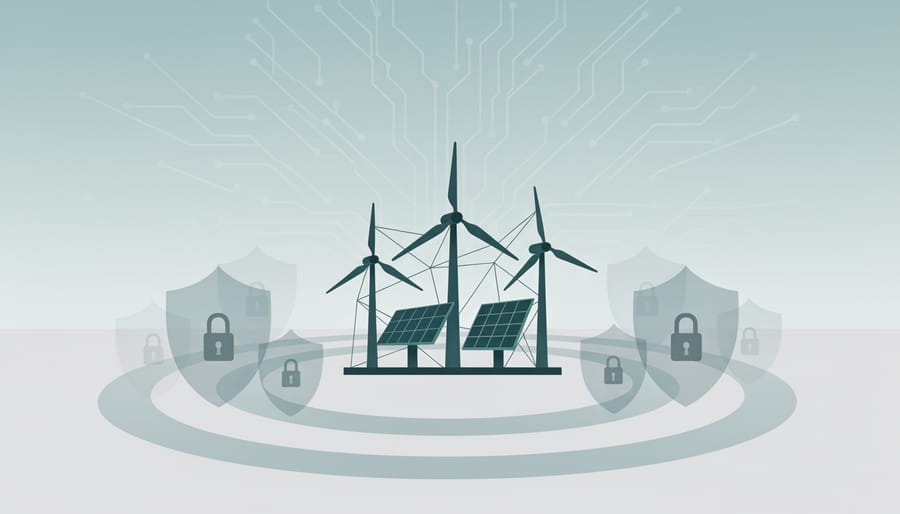
Germany’s 31.23 GW renewable generation infrastructure in 2026 operates through thousands of interconnected digital control systems, creating a vast attack surface that demands robust protection. Wind farms, solar arrays, and grid management platforms rely on industrial control systems (ICS) and supervisory control and data acquisition (SCADA) networks to monitor performance, adjust output, and coordinate with grid operators. These systems, once isolated, now connect to broader networks for real-time data exchange and remote management, making them potential targets for state-sponsored attacks, ransomware operators, or sabotage attempts.
The distributed nature of renewable generation amplifies the challenge. Unlike centralized fossil fuel plants with perimeter security, Germany’s 19.09 GW of wind generation and 8.73 GW of solar capacity spread across hundreds of locations, each requiring secure communication channels. A compromised solar farm control system could feed false generation data to grid operators, disrupting load balancing. Similarly, unauthorized access to wind turbine controllers could cause physical damage or force shutdowns during peak demand periods.
Grid management platforms face particular scrutiny. As AI for renewables becomes integral to forecasting generation and optimizing dispatch, the algorithms and data pipelines themselves become critical infrastructure. Manipulated training data or corrupted forecasting models could lead to grid instability or economic losses in energy markets.
Germany’s legislative reforms supporting 100-110 GW renewable planning must now incorporate mandatory cybersecurity standards for new installations. Protection measures include network segmentation, encryption of control communications, continuous monitoring for anomalies, and incident response protocols specific to energy infrastructure. The integrity of generation reporting systems also requires verification mechanisms to ensure accurate accounting of renewable output and prevent fraudulent renewable energy certificate claims.
Frequently Asked Questions
Germany’s renewable energy generation sector continues to attract questions from researchers, policymakers, and energy professionals seeking to understand the country’s current position and future trajectory. The following addresses the most common inquiries based on search patterns and industry interest.
How much renewable electricity does Germany generate in 2026?
Germany generates 31.23 GW of renewable electricity as of 2026, with wind energy accounting for 19.09 GW and solar power contributing 8.73 GW to this total. This generation output represents actual electricity produced rather than installed capacity potential.
What are Germany’s main renewable energy sources?
Wind energy dominates Germany’s renewable generation mix at 61% of the total output, followed by solar power at 28%. These two sources form the backbone of the country’s renewable electricity production, with hydropower and other renewable sources making up the remainder.
What is Germany’s renewable energy target?
Germany’s legislative reforms in renewable energy planning and siting support targets of 100-110 GW. This ambitious goal drives the country’s continued expansion of renewable infrastructure, with solar power accounting for nearly three-quarters of recent renewable additions.
What is the difference between renewable energy capacity and generation?
Capacity measures the maximum potential output of renewable installations when operating at full power, while generation refers to the actual electricity produced and fed into the grid. Germany’s 31.23 GW generation figure represents real-time electricity output, not theoretical capacity.
Understanding these distinctions proves essential for professionals analyzing Germany’s energy transition. The gap between installed capacity and actual generation reflects operational realities including weather conditions, maintenance schedules, and grid integration constraints. Wind and solar installations do not produce electricity continuously, so generation figures typically run lower than capacity measurements.
Germany’s substantial investment in renewable infrastructure has positioned the country as a leader in renewable generation, yet questions persist about grid stability, storage solutions, and the cybersecurity requirements for managing increasingly distributed generation networks. The 159 GW of wind energy capacity additions and the record 510 GW of total renewable capacity added demonstrate the scale of expansion supporting current generation levels, though actual output depends on numerous operational factors beyond raw capacity numbers.
Types or components
Germany’s 2026 renewable energy generation comprises three primary technology categories, each converting natural resources into electricity through distinct mechanisms. Wind energy represents the largest component at 19.09 GW, split between onshore turbines that capture prevailing continental winds and offshore installations in the North and Baltic Seas. Solar photovoltaic systems contribute 8.73 GW to the generation mix, with capacity distributed across utility-scale solar farms, commercial rooftop arrays, and residential installations that convert sunlight directly into electrical current. Hydroelectric facilities form the third component, utilizing Germany’s river systems and existing dam infrastructure to generate power through water flow, though their contribution to the 31.23 GW total remains smaller than wind or solar. Each technology operates on different generation patterns, wind peaks during winter months and overnight hours, solar delivers maximum output during summer afternoons, and hydro provides relatively consistent baseload power, creating a complementary generation profile that requires sophisticated grid management to balance supply with real-time electricity demand across the country.
Germany’s renewable energy generation in 2026 demonstrates the country’s continued leadership in the global energy transition, with 31.23 GW of actual electricity production led by wind at 19.09 GW and solar at 8.73 GW. These generation figures reflect not just installed capacity but real-world output from Germany’s renewable infrastructure, supported by legislative reforms that established planning targets of 100-110 GW to guide continued expansion.
The substantial capacity additions, 510 GW overall with 159 GW from wind alone, position Germany’s generation potential for further growth beyond 2026. Solar’s dominance in new installations, accounting for nearly three-quarters of renewable additions, signals a shifting balance within the generation mix as solar output scales alongside wind’s established leadership.
As renewable generation expands, cybersecurity infrastructure becomes increasingly critical. Protecting the digital systems that manage distributed generation, grid integration, and real-time balancing ensures not only operational continuity but also the integrity of the generation data that informs policy and investment decisions.
Germany’s trajectory points toward higher renewable generation volumes in the coming years, driven by capacity expansion, technological advancement, and robust policy frameworks that support both infrastructure development and the security systems required to operate it reliably at scale.