

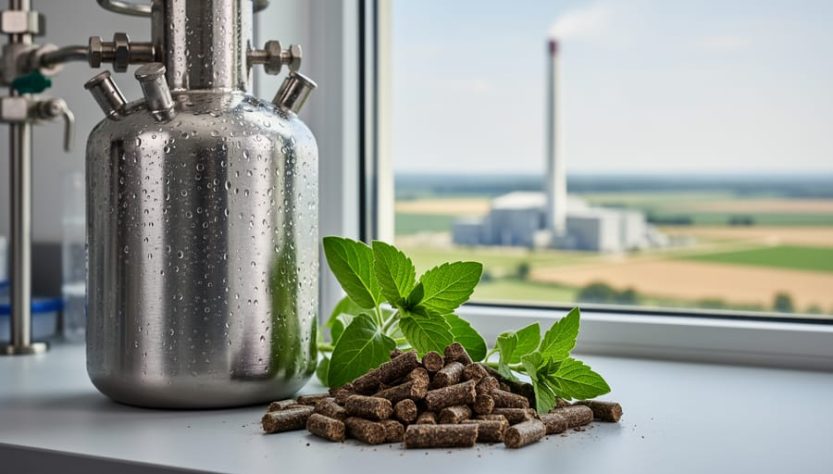
Bioenergy research is the scientific study and development of energy derived from biological materials, including plants, algae, agricultural waste, and organic residues, with the goal of creating viable, sustainable alternatives to fossil fuels. This field examines how to efficiently convert biomass into usable energy forms such as electricity, heat, and transportation fuels while minimizing environmental impacts and maximizing energy yields.
The urgency behind bioenergy research has intensified as nations commit to ambitious carbon neutrality targets and seek to diversify their energy portfolios. Unlike other renewable sources such as solar or wind, bioenergy offers unique advantages: dispatchable power that can respond to grid demands, compatibility with existing infrastructure, and the potential for carbon-negative outcomes through advanced conversion processes.
At its core, this research addresses critical questions that determine bioenergy’s role in our energy future. Scientists investigate which feedstocks provide optimal energy returns without competing with food production. Engineers develop conversion technologies that extract maximum energy while producing minimal waste. Environmental researchers assess lifecycle emissions, land use impacts, and biodiversity considerations. Economists model cost structures and market viability across different scales and contexts.
The findings from these investigations translate directly into real-world applications. Commercial facilities now produce drop-in biofuels that power aircraft and heavy trucks. Combined heat and power plants convert municipal waste into district heating systems. Biorefineries create not just fuels but valuable biochemicals that replace petroleum-based products.
This article explores what bioenergy research entails, the methodologies researchers employ, the primary areas of scientific inquiry, and how these investigations translate into practical applications that address today’s most pressing energy challenges.
What Bioenergy Research Means
Bioenergy research investigates how to transform organic materials, plant matter, agricultural waste, algae, and other biological resources, into energy we can use. At its core, this field examines the chemical, biological, and physical processes that unlock energy stored in biomass, seeking to make these conversions more efficient, economical, and environmentally sound. Scientists working in this domain tackle questions ranging from which crops yield the most energy per hectare to how microorganisms can break down tough plant fibers into fermentable sugars.
The primary goals of bioenergy research center on improving performance and viability. Researchers aim to increase energy output from each unit of biomass, reduce production costs, minimize environmental impacts like greenhouse gas emissions and water use, and develop technologies that can scale from laboratory benches to industrial facilities. These objectives drive investigations across disciplines, from genetics and microbiology to chemical engineering and environmental science, creating a diverse research landscape that addresses both fundamental questions and practical challenges.
Understanding what is a biofuel helps clarify the distinction between research and production. Bioenergy research explores how to create these fuels and optimize the processes, while bioenergy production applies proven methods to manufacture fuels and power at commercial scale. Research functions as the discovery and development engine, testing new feedstocks, refining conversion techniques, and proving concepts before they enter the marketplace. Production, by contrast, operates established systems to meet energy demand.
Several foundational concepts underpin this research field:
- Biomass
- Organic material derived from plants, animals, or microorganisms that stores solar energy through photosynthesis and can be converted into fuel or power.
- Feedstock
- The specific type of biomass selected as raw material for energy conversion, such as corn stover, switchgrass, wood chips, or algae cultures.
- Bioconversion
- The process of transforming biomass into energy products through biological agents like enzymes, bacteria, or fungi, rather than purely chemical or thermal methods.
- Energy Carrier
- The final form in which bioenergy is delivered for use, liquid fuels like ethanol and biodiesel, gases such as biogas and hydrogen, or solid pellets for combustion.
- Bioenergy Pathway
- The complete sequence from feedstock selection through conversion technology to end-use application, each pathway requiring distinct research approaches and optimization strategies.
The research community draws on extensive bioenergy citations and context that document decades of scientific progress. This accumulated knowledge base guides current investigations, helping researchers build on proven findings while pursuing breakthrough innovations that could reshape how we generate renewable energy from biological sources.
How Bioenergy Research Works
The Research Development Cycle
The bioenergy research development cycle typically unfolds across five distinct stages, each building on the previous phase to transform scientific insights into commercial reality.
Basic Research forms the foundation. Scientists investigate fundamental biological, chemical, and physical processes, studying how enzymes break down cellulose, how microorganisms produce hydrogen, or how biomass combustion releases energy at molecular levels. This stage occurs primarily in university and government laboratories, often without immediate commercial goals. Researchers publish findings in academic journals and share discoveries that expand collective knowledge.
Applied Research translates these fundamental insights into practical solutions. Teams optimize specific processes for efficiency and scalability. A discovery about enzyme behavior becomes a protocol for breaking down corn stover more cheaply. Laboratory experiments shift toward solving real-world constraints: cost, speed, reliability, and compatibility with existing infrastructure.
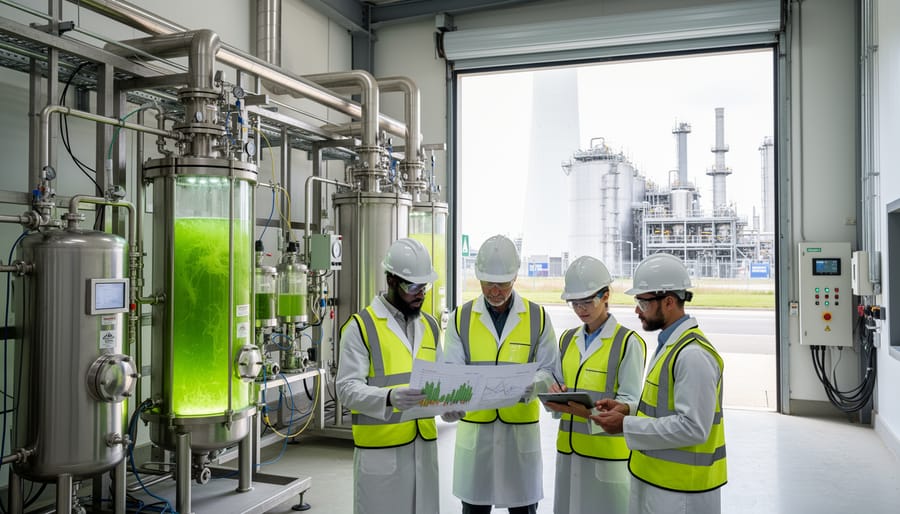
Pilot-Scale Testing moves promising technologies out of laboratory glassware into small operational systems. Facilities processing tons rather than grams of biomass reveal engineering challenges invisible at bench scale, heat distribution problems, material handling issues, or unexpected chemical interactions. Researchers refine designs and gather performance data under controlled but realistic conditions.
Demonstration Projects operate at commercially relevant scales, often processing thousands of tons annually. These facilities prove technical and economic viability to potential investors and industry partners. They generate the operational data companies need before committing to full-scale plants.
Technology Transfer completes the cycle. Successful demonstration projects attract commercial investment. Researchers license patents, share engineering specifications, train industry personnel, and provide ongoing technical support. The technology transitions from research institutions to companies that build commercial facilities, creating the infrastructure that actually delivers renewable energy to markets.
This progression typically spans 10 to 20 years, though breakthrough technologies occasionally advance faster.
Key Research Methodologies
Bioenergy researchers employ a diverse toolkit of methodologies to advance the field, combining hands-on experimentation with sophisticated analytical approaches.
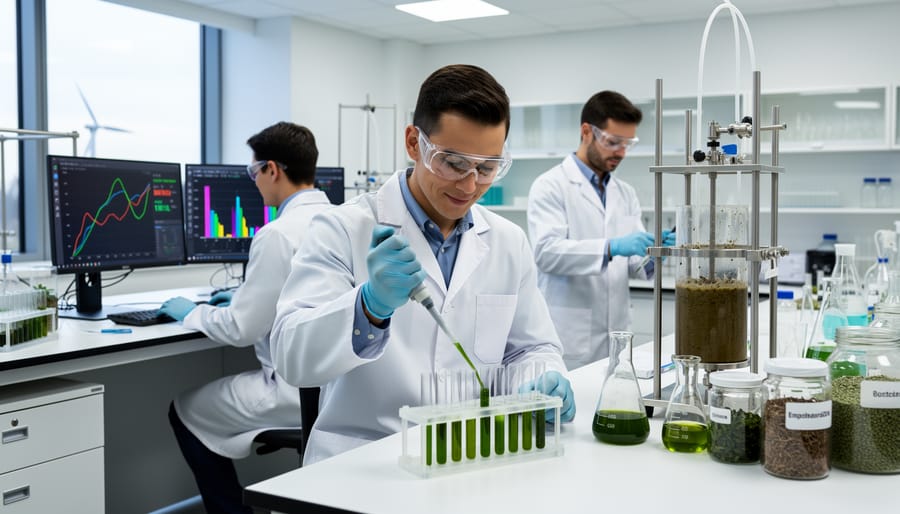
Laboratory experimental techniques form the foundation of most bioenergy investigations. Scientists conduct controlled tests on biomass samples to measure energy content, test conversion reactions under varying conditions, and isolate specific compounds. These experiments often involve specialized equipment like bomb calorimeters to measure heat values, gas chromatographs to analyze chemical composition, and bench-scale reactors to simulate industrial processes. Microbiological studies examine how enzymes and microorganisms break down cellulose and other complex plant materials, while chemical analyses determine the optimal catalysts and reaction conditions for converting biomass into fuels or power.
Computational modeling has become indispensable for predicting outcomes before expensive pilot projects begin. Researchers use process simulation software to model entire conversion systems, testing thousands of variable combinations virtually. Molecular modeling helps design better enzymes and catalysts, while computational fluid dynamics predicts how biomass will behave in large-scale reactors. These digital tools dramatically reduce research costs and accelerate the timeline from concept to commercial readiness.
Lifecycle analysis provides the broader environmental and economic perspective that experimental data alone cannot capture. This methodology tracks energy inputs, greenhouse gas emissions, water consumption, and costs across the entire bioenergy supply chain, from growing or collecting feedstock through conversion, distribution, and end use. Researchers quantify whether a particular bioenergy pathway truly reduces carbon emissions compared to fossil fuels and identify optimization opportunities.
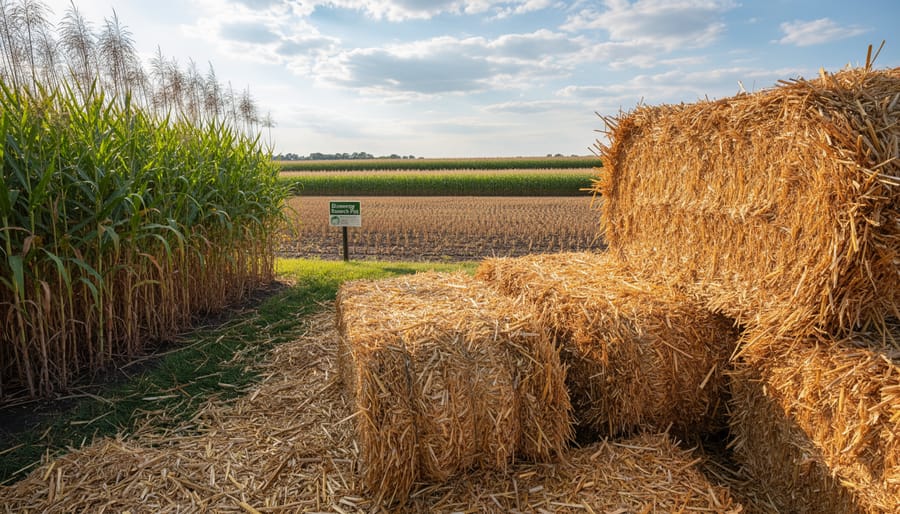
Field trials validate laboratory findings under real-world conditions. These studies test energy crops across different climates and soils, evaluate harvesting equipment, and demonstrate integrated systems at demonstration facilities that bridge the gap between research and commercial deployment.
Areas of Bioenergy Research
Feedstock Research and Development
Feedstock research focuses on identifying, developing, and optimizing biological materials that can be converted into energy. Scientists evaluate crops specifically bred for energy production, including switchgrass, miscanthus, and short-rotation woody species like willow and poplar. These dedicated energy crops offer higher yields per hectare than conventional agriculture while requiring less intensive management.
Algae cultivation represents a rapidly advancing research frontier. Microalgae and macroalgae grow quickly, absorb carbon dioxide, and can thrive in non-arable land or saltwater environments. Researchers experiment with cultivation systems ranging from open ponds to closed photobioreactors, testing strains for oil content, growth rates, and resilience to varying conditions.
Agricultural residues, corn stover, wheat straw, rice husks, provide abundant feedstock without competing for food production. Research addresses collection logistics, seasonal availability, and preprocessing requirements to make these materials economically viable. Forestry biomass studies examine sustainable harvesting of wood chips, bark, and logging residues while maintaining forest health and biodiversity.
Waste materials, including municipal solid waste, food processing byproducts, and manure, turn disposal challenges into energy opportunities. Researchers characterize the energy potential of different waste streams, develop sorting and treatment protocols, and assess lifecycle benefits.
Central to all feedstock research is understanding composition variability, moisture content, energy density, and conversion efficiency. Scientists also investigate how different feedstocks perform across various conversion technologies, ensuring the most effective pairing of material and process.
Conversion Technology Research
Conversion technology research investigates how to transform biomass into usable energy through diverse pathways, each offering distinct advantages for different feedstocks and end products. Thermochemical processes dominate high-temperature conversion methods. Gasification research focuses on optimizing syngas production at temperatures exceeding 700°C, examining catalyst performance, reactor configurations, and gas cleanup systems that enable efficient electricity generation or liquid fuel synthesis. Pyrolysis studies concentrate on controlling heating rates and oxygen-limited environments to maximize bio-oil yields, with researchers refining fast pyrolysis techniques that produce transportable liquid intermediates. Combustion research, though the oldest pathway, continues advancing through improved boiler designs, emissions reduction technologies, and co-firing strategies that blend biomass with coal in existing power plants.
Biochemical conversion pathways harness biological agents to break down organic matter. Fermentation research explores enzyme optimization, microbial strain development, and process conditions that convert sugars and starches into ethanol and other alcohols with higher efficiency and lower costs. Anaerobic digestion studies examine microbial communities, reactor designs, and operational parameters that maximize biogas production from organic waste while generating nutrient-rich digestate. Emerging hybrid approaches combine thermochemical and biochemical methods, such as gasification followed by microbial gas fermentation to produce hydrogen biofuels or hydrothermal processing paired with enzymatic treatment for recalcitrant feedstocks. These integrated systems aim to capture benefits from multiple pathways, achieving higher overall conversion efficiencies and producing diverse energy products from single biomass inputs.
Efficiency and Sustainability Studies
Efficiency and sustainability studies form a critical research domain that evaluates and improves the environmental and economic performance of bioenergy systems across their entire lifecycle. Researchers employ lifecycle assessment (LCA) methodologies to quantify greenhouse gas emissions, water consumption, soil impacts, and biodiversity effects from feedstock cultivation through energy conversion and distribution. These comprehensive analyses identify optimization opportunities that traditional energy-focused research might overlook.
Land-use efficiency research addresses the fundamental challenge of balancing food security with energy production. Scientists investigate high-yield energy crops that thrive on marginal lands unsuitable for food cultivation, develop intercropping systems that generate both food and energy biomass, and optimize spatial planning to minimize competition for prime agricultural land. Recent studies examine perennial grasses and woody crops that require minimal inputs while providing ecosystem services like soil carbon sequestration and erosion control.
Economic viability research focuses on reducing production costs through process optimization, economies of scale, and integration with existing agricultural and industrial systems. Researchers model various scenarios to determine break-even points, evaluate different policy incentive structures, and identify cost reduction pathways that make bioenergy competitive with fossil fuels without perpetual subsidies.
Water and nutrient cycling studies investigate closed-loop systems where waste streams become valuable inputs. This includes using nutrient-rich digestate from anaerobic digestion as fertilizer, recycling process water, and selecting drought-tolerant feedstocks that reduce irrigation demands. These sustainability improvements directly influence whether bioenergy systems deliver genuine environmental benefits compared to the fossil energy they replace.
How Bioenergy Research Is Applied
Industrial and Commercial Applications
Research breakthroughs in bioenergy have moved from controlled laboratories into working industrial facilities across multiple sectors. In biofuel production, findings on enzyme optimization and advanced fermentation processes now enable commercial-scale plants to convert agricultural residues and dedicated energy crops into sustainable aviation fuel, cellulosic ethanol, and renewable diesel. Companies operating these refineries apply research-validated pretreatment methods that break down lignin barriers in feedstocks, improving conversion rates by 30-40% compared to earlier techniques.
Biopower generation facilities have adopted research outcomes on combustion efficiency and emissions reduction. Modern biomass power plants incorporate findings about optimal fuel blending ratios, furnace designs tested in pilot programs, and flue gas treatment systems developed through university-industry partnerships. These operational improvements deliver higher electrical output per tonne of biomass while meeting strict air quality standards.
The biochemical manufacturing sector translates bioenergy research into production lines for bio-based plastics, industrial chemicals, and specialty materials. Research-proven pathways for converting sugars derived from lignocellulosic biomass into platform chemicals now support factories manufacturing everything from biopolymers to solvents without fossil inputs. Integration with energy storage systems allows these facilities to balance intermittent biogas generation with steady production demands, applying grid management concepts refined through collaborative research programs. Each application demonstrates how controlled experimentation yields practical technologies that industries can implement profitably while advancing renewable energy goals.
Policy and Infrastructure Planning
Bioenergy research directly shapes policy frameworks and infrastructure investments by providing the evidence base policymakers need to design effective regulations and support mechanisms. Government agencies rely on peer-reviewed studies to set realistic renewable energy targets, establish feedstock sustainability criteria, and determine which conversion technologies merit public funding. For instance, lifecycle analysis research demonstrating greenhouse gas reduction potentials informs carbon pricing structures and eligibility requirements for renewable energy credits ensuring incentive programs reward genuinely low-carbon bioenergy pathways rather than counterproductive practices.
Research findings also guide infrastructure development decisions. Studies on regional biomass availability inform biorefinery siting strategies, while efficiency benchmarks from pilot facilities help utilities evaluate whether to retrofit existing power plants for biomass co-firing. Economic modeling from research institutions provides cost projections that shape long-term energy planning, helping governments allocate resources between bioenergy and other renewable technologies. This evidence-driven approach reduces investment risk and accelerates the transition from research breakthroughs to deployed infrastructure that strengthens energy security and climate resilience.
Case Study: Advanced Biofuel Development
The U.S. Department of Energy’s collaboration with LanzaTech demonstrates how bioenergy research translates into commercial reality. Beginning in 2008 with laboratory studies on gas fermentation, researchers developed microorganisms capable of converting industrial carbon emissions into ethanol. The project progressed through pilot facilities in 2012, processing steel mill off-gases, then advanced to demonstration scale by 2016.
By 2018, the first commercial plant in China was producing 16 million gallons of ethanol annually from waste gases that would otherwise contribute to atmospheric carbon. The technology now operates across multiple continents, converting emissions from steel mills and refineries into jet fuel and consumer products. This pathway, from university research through federal funding to industrial deployment, exemplifies the decade-long journey typical of breakthrough bioenergy innovations, requiring persistent refinement of both biological systems and engineering processes before achieving economic viability at scale.
Current Challenges and Research Priorities
Bioenergy research confronts several persistent obstacles that shape current priorities across laboratories and funding programs worldwide. Cost competitiveness remains the most pressing challenge, as many bioenergy technologies still cannot match fossil fuel prices without subsidies or carbon pricing mechanisms. Researchers focus intensively on reducing production costs through higher-yielding feedstocks, more efficient conversion processes, and integrated biorefinery designs that generate multiple revenue streams from single feedstock sources.
Feedstock supply chains present another significant hurdle. Unlike fossil fuels concentrated in geological deposits, biomass is distributed across vast agricultural and forestry landscapes, creating collection and transportation bottlenecks. Current research priorities address this through studies on decentralized processing systems, improved logistics modeling, and breeding programs for energy crops that thrive on marginal lands without competing with food production.
Sustainability verification has become a critical research focus as the sector matures. Scientists work to establish robust lifecycle assessment frameworks that account for land-use change, water consumption, nutrient cycling, and biodiversity impacts. This research responds to legitimate concerns about whether certain bioenergy pathways truly deliver climate benefits when indirect effects are properly measured. Advanced monitoring technologies and comprehensive environmental modeling now receive substantial funding to ensure bioenergy systems achieve genuine sustainability goals.
Integration with existing energy infrastructure poses technical challenges that drive research into renewable storage compatibility and grid management. Biopower plants must coordinate with intermittent solar and wind generation, creating demand for flexible operation strategies and hybrid systems. Research programs explore how bioenergy can provide dispatchable power that complements other renewables rather than competing with them.
Funding agencies increasingly prioritize research on second and third-generation biofuels that use non-food feedstocks like agricultural residues, algae, and municipal waste. These pathways avoid the food-versus-fuel debate while potentially delivering higher carbon reduction benefits. Synthetic biology and metabolic engineering receive particular attention as researchers design microorganisms and enzymes that convert complex biomass more efficiently.
Policy uncertainty affects research direction and private sector investment. Scientists advocate for long-term funding commitments and clear regulatory frameworks that justify the extended timelines required to move discoveries from laboratory benches to commercial deployment. Cross-disciplinary collaboration has emerged as a priority, with emerging trends showing increased partnerships between engineers, agronomists, economists, and environmental scientists working toward integrated solutions rather than isolated technological advances.
Types of Bioenergy Research
Bioenergy research divides into several distinct categories, each addressing different aspects of converting organic matter into usable energy. Understanding these divisions helps clarify how researchers approach the field’s challenges.
Fundamental bioenergy science explores the biological and chemical mechanisms underlying energy conversion. Researchers in this category investigate enzyme behavior, microbial metabolism, and the molecular structure of biomass to understand how nature stores and releases energy.
Applied conversion research focuses on developing and optimizing practical technologies. This includes refining thermochemical processes like pyrolysis and gasification, advancing biochemical methods such as anaerobic digestion, and creating hybrid approaches that combine multiple conversion pathways.
Feedstock development research examines which biological materials work best as energy sources. Scientists breed improved energy crops, cultivate algae strains with higher oil content, and assess agricultural residues and forestry waste for energy potential.
Systems and sustainability research takes a broader view, analyzing lifecycle impacts, economic feasibility, land-use patterns, and environmental consequences. This category ensures bioenergy solutions actually deliver net benefits compared to fossil fuels and don’t compete harmfully with food production or biodiversity.
Each category contributes essential knowledge that moves bioenergy from concept to commercial reality.
Frequently Asked Questions
Where does funding for bioenergy research come from?
Bioenergy research receives funding from multiple sources including government agencies, private sector investment, academic institutions, and international collaborations. Public funding typically supports fundamental research and early-stage development, while industry partners often finance pilot projects and commercialization efforts.
How long does it take for research findings to reach commercial deployment?
The timeline varies considerably depending on the technology’s complexity and readiness level, but transitioning from laboratory discovery to commercial-scale deployment typically requires seven to fifteen years. Some incremental improvements reach the market faster, while entirely new conversion pathways may need longer development periods.
What qualifications are needed for a career in bioenergy research?
Most bioenergy research positions require advanced degrees in fields such as chemical engineering, biotechnology, microbiology, agricultural science, or environmental engineering. Practical experience through internships, laboratory work, or industry partnerships strengthens career prospects in this multidisciplinary field.
How does bioenergy research compare to research in solar or wind energy?
Bioenergy research addresses different technical challenges than solar or wind research, focusing on biological and chemical conversion processes rather than physical energy capture. The fields complement each other, with bioenergy offering advantages in energy storage, dispatchability, and the production of liquid fuels that other renewables cannot easily provide.
Understanding these practical aspects helps contextualize how bioenergy research operates as both a scientific discipline and an economic sector. The collaborative nature of funding means researchers often work across institutional boundaries, combining academic rigor with industry objectives. Career paths reflect this diversity, ranging from university laboratories conducting fundamental science to corporate research centers optimizing production processes.
The extended development timeline reflects the complexity of biological systems and the rigorous safety testing required before new technologies enter the energy market. Researchers must validate not only technical performance but also environmental sustainability, economic competitiveness, and scalability across different feedstocks and geographic conditions. This thoroughness ensures that deployed technologies deliver reliable, long-term benefits rather than creating unforeseen problems.
Bioenergy research stands as a cornerstone of the renewable energy transition, driving innovation across feedstock development, conversion technologies, and sustainability metrics. The work happening in laboratories, pilot facilities, and demonstration projects today shapes the clean energy infrastructure of tomorrow. From advanced biofuels that can decarbonize aviation and maritime transport to biochemical pathways that replace petroleum-based plastics, research breakthroughs continue expanding what’s possible with organic matter as an energy source.
The field’s trajectory remains encouraging. Computational modeling reduces development timelines, genetic tools unlock higher-yielding energy crops, and hybrid conversion systems achieve efficiencies once thought impractical. Collaboration between academic institutions, industry partners, and government agencies accelerates the path from discovery to deployment, while lifecycle analysis ensures new technologies deliver genuine environmental benefits rather than simply shifting problems elsewhere.
Looking ahead, bioenergy research will play an increasingly vital role as nations pursue ambitious climate targets. The sector’s ability to utilize waste streams, sequester carbon through sustainable practices, and integrate with existing infrastructure makes it uniquely positioned to complement wind and solar power. Challenges certainly persist around land use, water resources, and economic competitiveness, but the research community’s focus on these very obstacles demonstrates the field’s maturity and commitment to responsible innovation.
The breakthroughs emerging from bioenergy research labs worldwide aren’t just academic exercises. They represent practical solutions to real energy challenges, offering pathways to reduce emissions, strengthen energy security, and build a more sustainable future.