

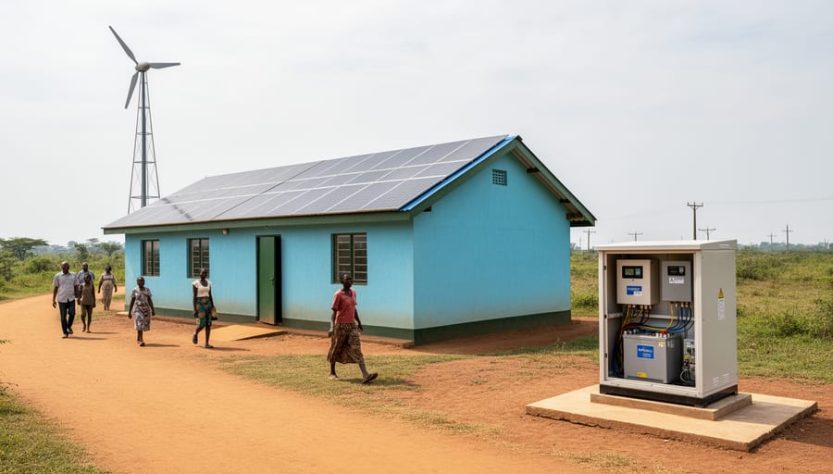
Renewable energy in developing countries refers to electricity and thermal power generated from naturally replenishing sources like solar, wind, hydro, biomass, and geothermal resources, deployed specifically to address energy poverty and accelerate economic growth in nations with limited or unreliable grid infrastructure. Unlike traditional fossil fuel systems that require centralized power plants and extensive transmission networks, these technologies can be installed at scales ranging from individual household solar kits to community microgrids and utility-scale wind farms.
The significance extends beyond environmental benefits. More than 675 million people globally still lack access to electricity as of 2026, the vast majority living in sub-Saharan Africa and South Asia. Renewable energy systems offer the fastest, most cost-effective pathway to universal energy access. Solar panels and small wind turbines can power rural health clinics, schools, and businesses without waiting decades for grid expansion. Decentralized systems reduce infrastructure costs while providing communities control over their energy supply.
This article explains how renewable energy technologies function in developing country contexts, where operational challenges differ markedly from wealthy nations. We’ll examine the specific systems gaining traction, from pay-as-you-go solar home systems in Kenya to community-owned mini-hydro projects in Nepal. You’ll discover why off-grid and mini-grid solutions often outperform grid extension projects, what makes certain technologies more viable than others in resource-constrained settings, and where these installations are delivering measurable improvements in health outcomes, educational attainment, and income generation. The evidence shows that well-designed renewable energy programs don’t just provide power. They catalyze broader development gains that transform communities.
What Renewable Energy in Developing Countries Means
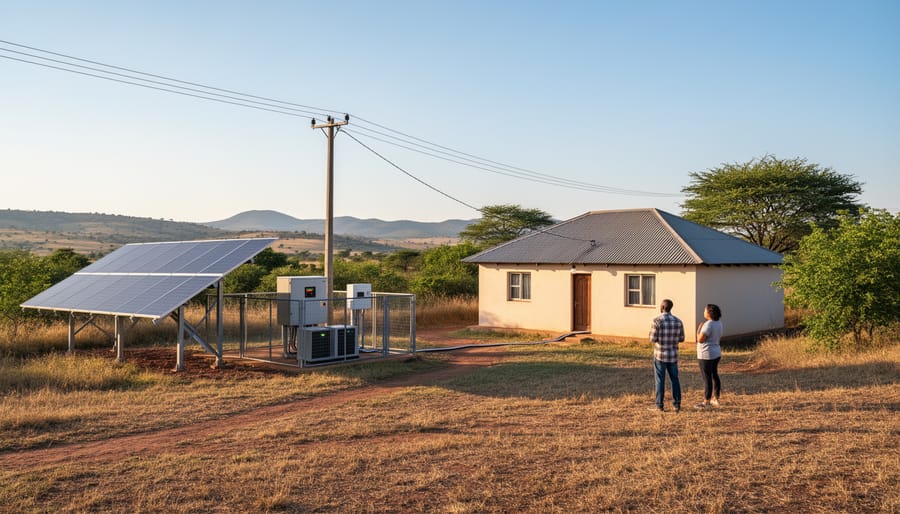
Renewable energy in developing countries refers to the generation of electricity and other energy services from naturally replenishing sources, solar, wind, hydro, and biomass, specifically deployed to address energy poverty, accelerate economic development, and bypass the need for expensive centralized fossil fuel infrastructure. Unlike renewable energy deployment in industrialized nations, which often involves retrofitting or replacing existing power systems, developing countries leverage renewables to build energy infrastructure for the first time, bringing power to communities that have never had reliable electricity access.
The deployment takes three primary forms, each suited to different contexts and scales. Off-grid systems serve individual households or facilities entirely independently of any electricity network, typically through solar home systems or standalone generators. Mini-grids create localized distribution networks powered by renewable sources, connecting dozens to thousands of customers within a village or cluster of communities. Grid-connected systems feed renewable electricity into national or regional transmission networks, ranging from small-scale distributed installations to utility-scale solar and wind farms that supply cities.
- Energy poverty
- The lack of access to modern energy services, affecting over 700 million people globally who live without electricity and billions more with unreliable supply.
- Off-grid systems
- Standalone renewable energy installations that operate independently of any electrical grid, providing power directly to individual homes, schools, or businesses.
- Mini-grids
- Localized electricity distribution networks powered by renewable sources that serve a defined community or geographic area, typically ranging from 10 kilowatts to several megawatts in capacity.
- Leapfrogging
- The process by which developing nations skip outdated technologies and infrastructure stages, moving directly to modern renewable energy systems without building centralized fossil fuel grids.
- Distributed generation
- Electricity production at or near the point of use, rather than at large centralized power plants, enabling communities to generate their own power locally.
What makes renewable energy deployment distinct in resource-constrained settings is this leapfrogging phenomenon. Just as mobile phones allowed many developing nations to bypass landline infrastructure entirely, solar panels and batteries enable communities to access electricity without waiting for grid extension that might never arrive or would take decades to reach remote areas. This represents a fundamental shift in development pathways.
Renewable energy in these contexts also emphasizes climate resilience and decentralized control. Systems are designed to withstand challenging environmental conditions, operate with minimal maintenance requirements, and function independently when broader infrastructure fails. Communities gain energy sovereignty rather than dependence on imported fuels or distant utilities, while simultaneously contributing to global climate goals. The focus shifts from maximum generation capacity to appropriate-scale solutions that match local needs, resources, and technical capabilities.
How Renewable Energy Systems Work in Developing Nations
The Deployment Process
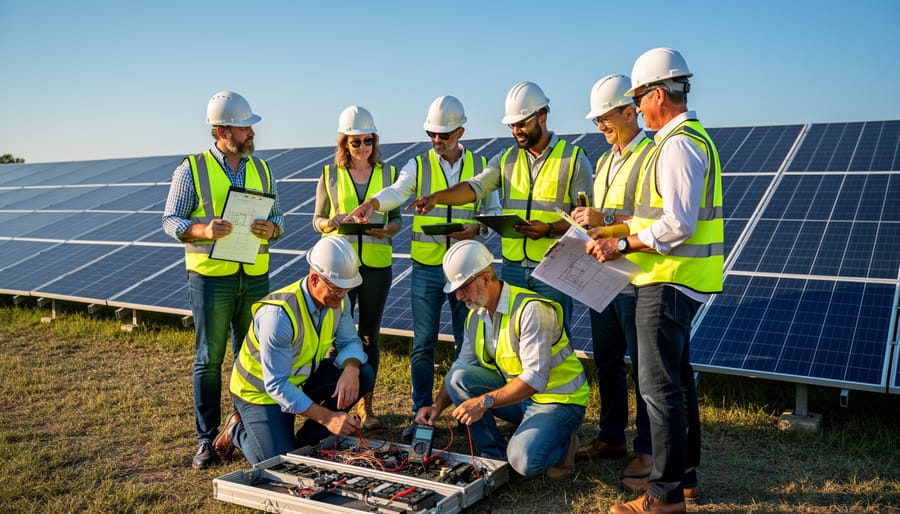
Deploying renewable energy in developing countries follows a structured sequence that balances technical requirements with community realities. The process typically begins with a comprehensive needs assessment, where project teams consult local communities, health facilities, schools, and businesses to understand electricity demand patterns, peak usage times, and priority services requiring power. This grassroots engagement ensures projects serve actual needs rather than imposing solutions.
Resource mapping follows, combining satellite data, on-site measurements, and local knowledge to evaluate solar radiation levels, wind speeds, water flow rates, or biomass availability. Teams identify suitable installation sites, considering factors like land ownership, accessibility for equipment transport, and proximity to end users. This data-driven approach matches the most abundant local resource with technology selection.
Technology matching connects identified resources with appropriate systems, solar home systems for scattered households, mini-grids for village clusters, or grid-scale installations where infrastructure exists. Engineers size systems based on load calculations, factoring in future growth and seasonal variations.
Securing financing often runs parallel to technical planning, with developers assembling capital from multiple sources: concessional loans, grant funding, private investment, and user contributions. Once funding closes, installation teams mobilize equipment and local labor.
Training forms a critical phase. Technicians receive hands-on instruction in system operation, basic troubleshooting, and routine maintenance like panel cleaning and battery testing. Community representatives learn billing procedures, complaint handling, and governance structures.
Finally, formal handover transfers operational responsibility to community energy committees, local utilities, or private operators, establishing clear ownership and accountability for long-term sustainability.
Financing and Business Models
Financing renewable energy in developing countries requires innovative models that overcome the upfront cost barrier while ensuring long-term sustainability. Pay-as-you-go (PAYG) systems have revolutionized solar access by allowing households to purchase energy in small, affordable increments via mobile money, families pay daily or weekly fees comparable to what they previously spent on kerosene, eventually owning the system outright. Microfinance institutions provide small loans tailored to low-income borrowers, enabling purchase of solar home systems or biogas digesters with repayment terms aligned to income cycles.
Concessional loans from development banks offer below-market interest rates for larger projects, while blended finance combines donor grants with commercial investment to reduce risk and attract private capital. Renewable energy credits and carbon finance provide additional revenue streams by monetizing emissions reductions. Community ownership models, where villages collectively invest in and manage mini-grids, ensure local buy-in and sustainable operation, members share costs and benefits, creating economic incentives for proper maintenance and equitable access to clean power.
Types of Renewable Energy Solutions for Developing Countries
Solar Energy Systems
Solar photovoltaic technology has emerged as the dominant renewable energy solution across developing nations, offering deployment flexibility that matches diverse economic and geographic contexts. Systems range from single-panel solar home systems providing basic lighting and phone charging to multi-megawatt solar farms feeding national grids.
Solar home systems typically consist of 10-50 watt panels, battery storage, and LED lights with USB ports. These standalone units serve households without grid access, costing $50-$200 depending on capacity. Mini-grids scale this approach to village level, using 20-100 kilowatt arrays to electrify entire communities with household connections and commercial power.
Productive use applications drive economic impact beyond basic electrification. Solar water pumps replace diesel irrigation systems, reducing operating costs by 60-80% while enabling dry-season farming. Cold storage units powered by solar preserve fish catches, dairy products, and vegetables, cutting post-harvest losses. Agro-processing equipment like maize mills and coffee hullers run on solar, transforming raw crops into marketable products and creating local employment.
Utility-scale projects now deliver competitively priced power in sunny regions, with installations exceeding 100 megawatts becoming common in countries like India, Kenya, and Chile.
Wind, Hydro, and Biomass Solutions
While wind and hydro solutions require specific geographical conditions, both technologies offer reliable power where circumstances align. Wind turbines have proven effective in coastal areas and elevated plateaus across East Africa and South Asia, with community-scale installations generating 50-500 kilowatts for mini-grids serving hundreds of households. Small-scale hydropower systems, micro-hydro producing under 100 kilowatts and pico-hydro under five kilowatts, excel in mountainous regions of Nepal, Peru, and the Himalayas, where stream flows power mechanical turbines without requiring large dams. These run-of-river systems minimize environmental disruption while delivering consistent baseload electricity year-round. For those wondering is hydropower renewable these small-scale applications demonstrate sustainable generation that works with natural water cycles rather than against them.
Biogas digesters represent a particularly appropriate technology for agricultural communities, converting livestock manure and crop residues into methane for cooking and lighting. A family-sized digester processes daily waste from four to six cattle, producing enough gas to replace firewood or kerosene while generating nutrient-rich fertilizer as a byproduct. Over 50 million households across China, India, and Sub-Saharan Africa now use biogas systems, simultaneously addressing waste management, indoor air pollution, and energy poverty through a single integrated solution.
Hybrid and Storage Systems
Battery storage paired with renewable systems addresses the core challenge of intermittent power generation in resource-constrained settings. Solar panels produce electricity only during daylight hours, and wind turbines depend on consistent breezes, neither aligns perfectly with evening cooking times or early morning water pumping needs. Renewable storage technology allows excess energy generated during peak production to be stored and released when demand is highest, transforming unreliable generation into dependable power.
Hybrid systems combine multiple energy sources to maximize availability. A solar-diesel hybrid mini-grid, common across Sub-Saharan Africa, uses photovoltaic arrays as the primary source while retaining a backup diesel generator for cloudy periods or nighttime demand spikes, dramatically reducing fuel consumption and costs compared to diesel-only systems. Solar-wind hybrids exploit complementary weather patterns: solar generation peaks midday while wind often strengthens at night, smoothing out total output. These configurations require less battery capacity than single-source systems, lowering upfront costs while maintaining reliable service for health clinics, schools, and small enterprises that cannot tolerate outages.
Where and How Renewable Energy Is Being Applied
Rural Electrification and Energy Access
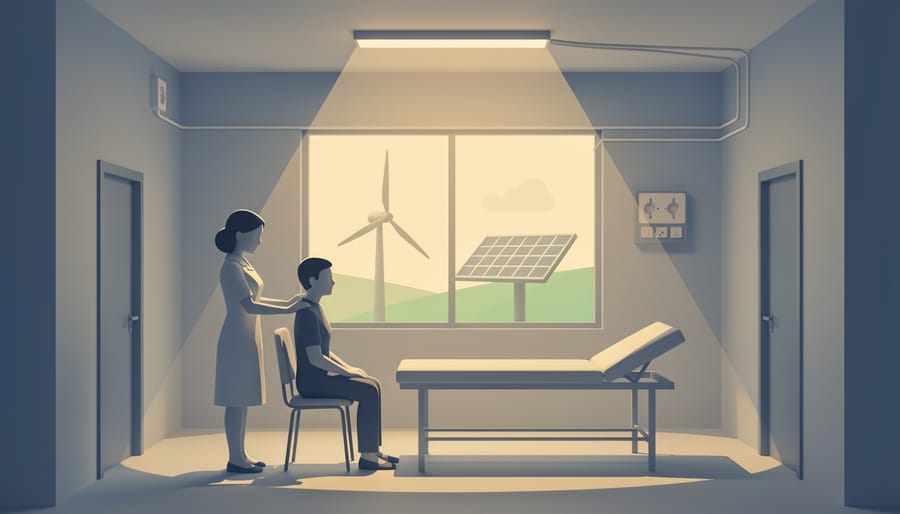
Off-grid solar systems and mini-grids now reach 420 million people who previously had no electricity, with deployments accelerating across Sub-Saharan Africa and South Asia. In rural Kenya, solar home systems costing $200-400 through pay-as-you-go plans provide lighting, phone charging, and radio access to families who once spent 20% of their income on kerosene. Mini-grids serving 100-500 households power vaccine refrigerators in health clinics, extend school hours into evening study sessions, and enable small shops to operate after dark.
Bangladesh’s solar home system program has installed over 6 million units since 2003, demonstrating how targeted renewable energy growth transforms daily life. Children study under bright LED lights instead of dim kerosene lamps, reducing respiratory illness and improving educational outcomes. Women report increased safety and economic participation when reliable lighting extends productive hours. Health workers refrigerate medicines and run diagnostic equipment in clinics that grid expansion would not reach for decades.
Productive Use and Economic Development
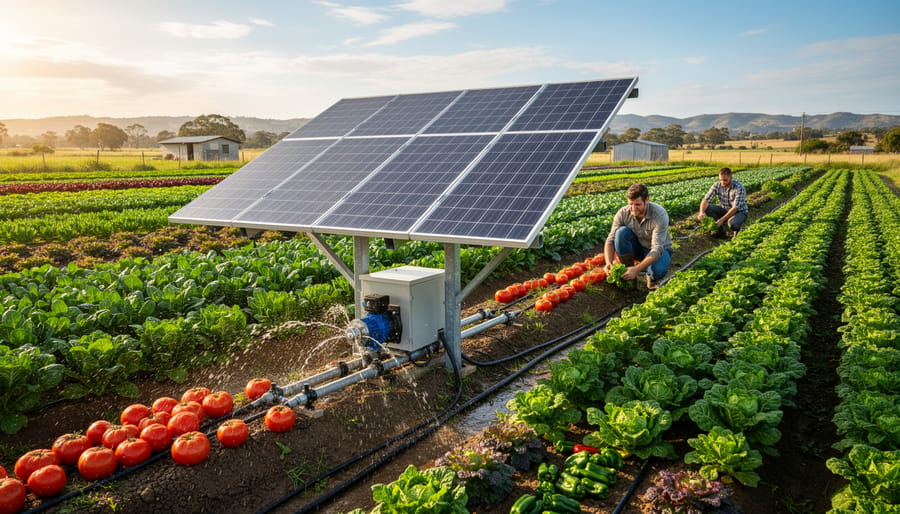
Beyond lighting homes, renewable energy in developing countries increasingly powers productive activities that generate income and strengthen local economies. Solar-powered irrigation systems allow farmers to cultivate crops year-round, dramatically increasing yields and food security. These systems eliminate the cost and unreliability of diesel pumps while enabling multiple growing seasons where rainfall alone would support only one.
Refrigeration powered by renewable energy transforms agricultural value chains. Cold storage units preserve perishable produce, dairy, and fish that would otherwise spoil before reaching markets. Farmers can wait for better prices rather than accepting distressed sales, effectively increasing their incomes by 30-40% in many documented cases. Solar dryers similarly extend shelf life for fruits, vegetables, and grains.
Small-scale processing equipment, grain mills, oil presses, carpentry tools, welding equipment, runs on renewable electricity and enables local manufacturing and value addition. Women’s cooperatives in East Africa use solar power for sewing machines, hairdressing equipment, and mobile phone charging stations that become community businesses.
These productive use applications create multiplier effects: one renewable energy system can support multiple enterprises, generating sustained employment and raising entire communities out of poverty while reducing dependence on imported fuels.
Benefits and Challenges
Renewable energy delivers measurable gains across economic, environmental, and social dimensions in developing nations. Countries reduce dependence on imported fossil fuels, keeping energy spending within local economies while shielding themselves from volatile global fuel prices. Solar and wind installations create local employment during construction and ongoing maintenance phases, building workforces with transferable technical skills. Communities switching from kerosene lamps and diesel generators to clean electricity experience immediate health improvements, reduced respiratory illness from indoor air pollution, safer lighting without fire risk, and elimination of daily exposure to toxic fumes. Climate benefits extend beyond borders: distributed renewable systems help developing countries meet Paris Agreement commitments while expanding energy access rather than constraining development.
Yet significant obstacles persist. High initial capital costs remain the primary barrier, even as equipment prices fall. A solar mini-grid serving 500 households might require $200,000 to $500,000 upfront, manageable for international funders but prohibitive for rural utilities or community cooperatives without blended finance or concessional loans. Technical capacity gaps compound the problem. Many regions lack electricians trained in solar installation, battery management, or mini-grid operation, leading to premature system failures when local teams can’t diagnose faults or source replacement parts. Policy environments often lag behind technology: grid codes written for centralized coal plants don’t accommodate distributed solar, utilities resist competition from mini-grids, and unclear land rights delay wind farm development.
Grid integration presents technical headaches where renewable capacity connects to weak national networks. Intermittent solar and wind can destabilize grids lacking adequate balancing resources, while utilities worry that rooftop solar erodes their revenue base before they’ve recovered infrastructure investments. Maintenance sustainability troubles many projects. Donor-funded systems work brilliantly until warranties expire and spare parts run out, then sit idle because no one budgeted for ongoing component replacement or established supply chains for specialized equipment. Addressing these challenges requires coordinated action, innovative financing instruments, sustained training programs, regulatory reform that recognizes renewable energy’s unique characteristics, and business models ensuring projects remain financially viable years after ribbon-cutting ceremonies conclude.
Frequently Asked Questions
Why is renewable energy particularly suitable for developing nations?
Renewable energy allows developing countries to leapfrog expensive centralized grid infrastructure and bring electricity directly to remote communities through decentralized systems. Local resources like sunlight and wind are abundant and free, eliminating dependence on imported fossil fuels while reducing costs over time.
How affordable is renewable energy for low-income populations?
Pay-as-you-go models and mobile money platforms have made solar home systems accessible for as little as $0.50 per day, often less than households previously spent on kerosene. Microfinance arrangements spread upfront costs over months or years, while falling technology prices have reduced system costs by over 80 percent since 2010.
What role do international organizations play in renewable energy deployment?
Organizations like the World Bank, UN agencies, and development banks provide concessional financing, technical assistance, and policy guidance that de-risk projects for private investment. They also coordinate multi-stakeholder partnerships and help governments design regulatory frameworks that encourage renewable energy development.
How is energy access measured in developing countries?
The World Bank’s access to electricity definition tracks the percentage of population with electricity connection, though it doesn’t capture reliability or quality. Multi-tier frameworks now assess service levels from basic lighting through high-power appliances, providing a more nuanced picture of energy poverty.
What happens when renewable energy systems break down?
Maintenance challenges remain a significant concern, particularly in remote areas with limited technical capacity. Successful projects incorporate local technician training, establish spare parts supply chains, and create revenue mechanisms for ongoing service, though many systems still fail due to inadequate post-installation support.
Are renewable systems reliable enough for critical services like health clinics?
Hybrid systems combining solar panels with battery storage or backup generators now provide 24-hour power reliability comparable to grid electricity. These configurations ensure vaccine refrigeration, medical equipment operation, and nighttime lighting function consistently, making renewable energy viable for healthcare facilities.
These practical considerations matter because renewable breakthroughs continue to address longstanding barriers to widespread adoption. Innovations in battery chemistry extend storage capacity while reducing costs, smart monitoring systems enable remote diagnostics that prevent failures before they occur, and modular designs simplify repairs with standardized components. The combination of improving technology, evolving financing mechanisms, and growing local expertise is steadily overcoming the obstacles that once limited renewable energy’s reach in resource-constrained settings.
Renewable energy has fundamentally reshaped the development landscape in emerging economies, proving itself as more than an environmental imperative, it’s become an economic catalyst and social equalizer. As of 2026, millions of people who previously relied on kerosene lamps or had no electricity at all now power their homes, schools, and businesses through solar panels, wind turbines, and micro-hydro systems. These technologies haven’t just arrived as stopgap measures; they’ve become permanent infrastructure that bypasses the need for costly centralized grids entirely.
The shift extends beyond hardware. Innovative financing mechanisms like pay-as-you-go systems have made modern energy services affordable for low-income households, while community ownership models ensure projects remain sustainable long after installation. Governments across Africa, Asia, and Latin America have recognized renewable energy not as a compromise but as their fastest route to universal access. Policy frameworks continue evolving to attract investment, streamline approvals, and prioritize energy equity.
What makes this transformation particularly remarkable is its pace and breadth. Technologies that seemed experimental a decade ago now power hospitals in rural Kenya, irrigation systems in Bangladesh, and manufacturing cooperatives in Peru. Each installation represents not just watts delivered but opportunities created, children studying after dark, vaccines staying refrigerated, farmers extending growing seasons.
The trajectory remains clear: renewable energy isn’t supplementing development in emerging economies; it’s redefining what development looks like, one community at a time.