

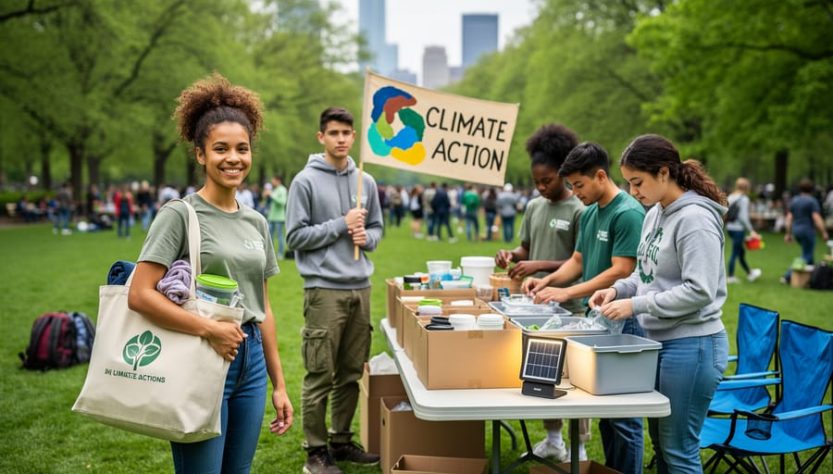
Generation Z is reshaping environmental advocacy through digital-native fundraising, direct action campaigns, and peer-led organizing that consistently outperforms traditional approaches. This generation gives the most to social and environmental causes among all age cohorts, with 93% planning to make financial donations and 91% intending to volunteer for nonprofit organizations in 2024, according to PayPal Giving Fund Canada. Their environmental awareness translates into measurable impact through coordinated online campaigns, localized action days, and strategic partnerships with established climate organizations.
What distinguishes Gen Z environmental engagement is its integration of social media amplification, values-driven spending, and rejection of performative activism in favor of systemic change. The Big Give’s 2026 campaign exemplified this shift, demonstrating how digital-first strategies can mobilize young donors at scale while maintaining transparency and accountability. Student-led networks like Last Generation have channeled grassroots energy into sustained pressure campaigns addressing climate injustice, while initiatives such as Global Action Days 2026 connect food systems, planetary health, and community participation through accessible, hands-on activities.
For nonprofit professionals and event organizers, understanding these patterns is essential to designing initiatives that resonate with Gen Z participants and donors. This article examines seven concrete examples of successful Gen Z-led environmental campaigns in 2026, the selection criteria that distinguish effective models from token efforts, and practical guidance for organizations seeking authentic partnerships with young climate advocates.
Why Gen Z Leads Environmental Fundraising and Activism
Gen Z has emerged as the most committed generation in environmental fundraising and activism, driven by an urgency about climate change that shapes their giving patterns and volunteer commitments. They direct more resources toward social and environmental issues than any previous generation, reflecting a values-driven approach to both spending and advocacy. According to PayPal Giving Fund Canada, 93% of Gen Z and Millennials plan to make a financial donation in 2024, with environmental causes ranking among their top priorities. Beyond financial contributions, 91% of Gen Z plan to volunteer for nonprofit organizations, demonstrating that their commitment extends well past checkbook activism.
What sets Gen Z apart is their digital-native approach to organizing and funding environmental work. They leverage social media platforms, peer-to-peer fundraising tools, and online communities to amplify causes and mobilize resources rapidly. This generation expects transparency from organizations, values authentic storytelling over polished marketing, and gravitates toward initiatives that address environmental justice alongside climate science. Their fundraising strategies blend technology with grassroots action, creating hybrid models that maximize both reach and impact.
This combination of financial commitment, volunteer energy, and digital fluency makes Gen Z uniquely positioned to drive innovation in how environmental awareness translates into tangible support. The environmental events and fundraising strategies they champion reflect these characteristics, prioritizing accessibility, peer leadership, and measurable climate action outcomes.
Selection Criteria: What Makes These Events and Strategies Noteworthy
The seven events and fundraising strategies featured in this article were selected using specific criteria that reflect Gen Z’s values, documented giving patterns, and proven engagement models. Each entry meets at least three of these standards: demonstrated youth leadership and participation, measurable fundraising success or community impact, digital-first or hybrid accessibility, alignment with climate justice and equity principles, and replicability or lessons transferable to other organizations.
Youth-led initiatives received priority because Gen Z drives environmental action, with 91% planning to volunteer for nonprofit organizations. Proven impact matters: we focused on campaigns and events that show concrete results, whether through fundraising totals, participant numbers, or policy influence. Digital accessibility is non-negotiable. Given that 93% of Gen Z and Millennials plan to make financial donations, the strategies highlighted leverage online platforms, social media, and peer networks that match how this generation connects and mobilizes.
Climate justice integration distinguishes these selections from traditional environmental fundraising. The featured events and models address systemic inequities alongside ecological concerns, reflecting Gen Z’s insistence that climate action cannot be separated from social justice. Together, these criteria ensure the list offers practical, credible examples that environmental organizations and fellow activists can study, adapt, and build upon.
1. Global Action Days 2026: Connecting Food, People, and Planet
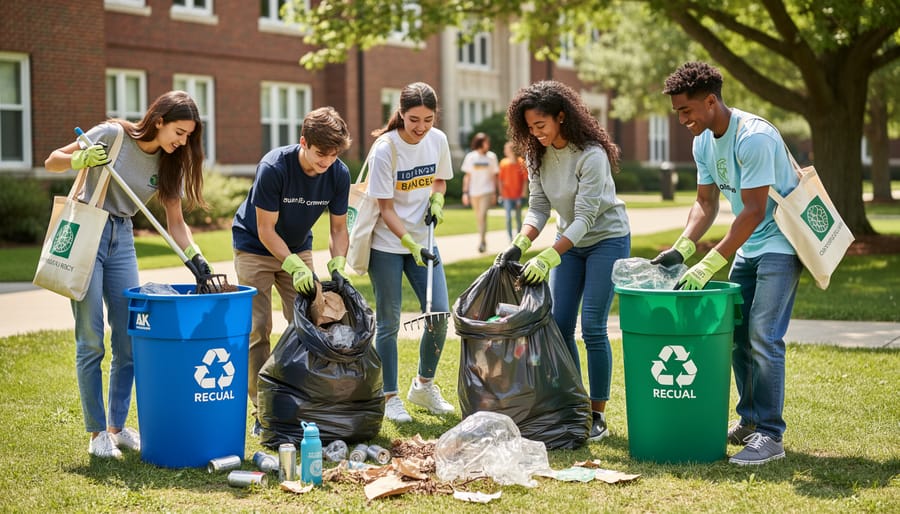
Global Action Days 2026 stands out as a model for engaging Gen Z in environmental awareness through experiential learning and creative participation. The initiative invites participants to explore how food connects people and the planet through five creative, hands-on activities that bridge everyday choices with broader ecological impact. This structure resonates strongly with Gen Z’s preference for action-oriented events over passive consumption of information.
The event’s design prioritizes accessibility and flexibility, allowing participants to engage at their own pace while maintaining a cohesive thematic focus. Activities range from food waste challenges to local food system mapping, each demonstrating tangible connections between individual decisions and planetary health. This hands-on approach aligns with Gen Z’s demand for authenticity and direct impact rather than abstract environmentalism.
What makes Global Action Days particularly effective for this generation is its integration of climate justice themes within food systems education. By framing environmental awareness through the lens of food equity, cultural heritage, and community resilience, the event speaks to Gen Z’s holistic understanding of sustainability. Participants gain practical knowledge they can immediately apply in their own communities, satisfying the generation’s desire for measurable outcomes and peer-shareable experiences that extend beyond the event itself.
2. The Big Give’s Digital-First Campaign Model
The Big Give’s 2026 campaign demonstrated the extraordinary potential of a digital-first strategy, offering a blueprint for environmental organizations seeking to connect with Gen Z donors. Unlike traditional fundraising that relies on gala dinners or direct mail, The Big Give built its model around online platforms, real-time donation matching, and social sharing mechanics that mirror how Gen Z already interacts with causes they care about.
At the heart of this approach is immediacy. The Big Give used live donation trackers, countdown clocks, and match-funding pools that created urgency without resorting to guilt or pressure tactics. Gen Z donors could see their contributions doubled instantly, watch progress bars fill in real time, and share milestones across their networks with a single tap. This transparency and gamified structure taps into the generation’s preference for tangible impact and peer validation.
The campaign also prioritized mobile-first design. Every step, from discovering a project to completing a donation, worked seamlessly on smartphones. Payment options included digital wallets and one-click methods that removed friction points older generations might tolerate but Gen Z abandons. Environmental causes benefited particularly well: campaigns highlighting renewable energy projects, reforestation efforts, and climate justice initiatives saw measurable upticks in both donation volume and repeat giving.
What sets this model apart is its scalability. Smaller environmental nonprofits can adopt the core principles without massive budgets, using existing social platforms and free tools to replicate the urgency, transparency, and shareability that drove The Big Give’s success.
3. Last Generation: Student-Led Climate Awareness Mobilization
Last Generation operates as a decentralized network of student chapters across universities and high schools, giving Gen Z activists the autonomy to design campaigns that reflect their communities’ specific environmental challenges. Rather than following a top-down national agenda, the organization provides a framework, training resources, messaging toolkits, and digital coordination platforms, that local leaders adapt to address issues ranging from campus fossil fuel divestment to municipal climate policy advocacy. This grassroots model resonates with Gen Z’s preference for horizontal organizing and direct action over traditional hierarchical structures.
The organization’s tactics blend digital mobilization with visible public engagement. Student organizers coordinate awareness-raising events such as teach-ins, die-ins, and climate art installations that disrupt campus routines and force conversations about environmental injustice into everyday spaces. Simultaneously, they run targeted social media campaigns that amplify local actions nationally, creating a cascading effect where one chapter’s success inspires replicated strategies elsewhere. This dual approach maximizes reach while maintaining the authenticity and peer-to-peer credibility that drives Gen Z participation.
What distinguishes Last Generation from legacy environmental groups is its explicit framing of climate change as inseparable from social justice. Campaigns routinely connect environmental degradation to systemic inequities, highlighting how pollution and climate impacts disproportionately harm marginalized communities. By centering environmental justice rather than treating it as a secondary concern, the organization attracts activists who see climate action as part of broader movements for equity, a perspective that defines Gen Z environmental consciousness and explains why 91% plan to volunteer for causes that align with these intersectional values.
4. Bloomberg Philanthropies Youth Climate Action Fund
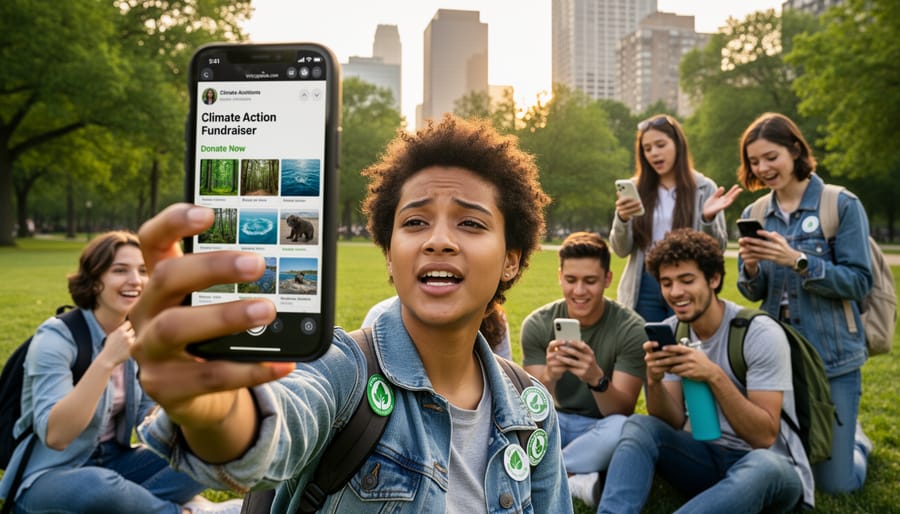
Bloomberg Philanthropies’ Youth Climate Action Fund represents a major institutional commitment to empowering Gen Z climate leaders through direct financial support and capacity-building resources. The fund specifically targets youth-led organizations working on climate solutions at the local level, recognizing that young activists often have the clearest understanding of their communities’ environmental challenges but lack access to traditional funding streams.
The fund operates through competitive application rounds that prioritize projects demonstrating innovative approaches to climate mitigation, adaptation, and environmental justice. Cities like New Orleans were selected for Round 2 funding, highlighting the program’s focus on urban environments where climate impacts intersect with existing social and economic vulnerabilities. This urban emphasis aligns with the growing movement to advance renewables in cities and reduce municipal carbon footprints through youth-driven advocacy.
What sets this fund apart is its dual structure: direct grants to youth organizations combined with mentorship, technical assistance, and networking opportunities that build long-term organizational capacity. Gen Z groups can access resources not only for immediate campaign costs like event logistics and digital outreach, but also for strategic planning, policy research, and coalition-building efforts that extend their impact beyond single initiatives. The application process emphasizes youth leadership at every organizational level, ensuring funding flows to authentically Gen Z-led efforts rather than traditional nonprofits with youth advisory boards.
5. Social Media-Driven Peer-to-Peer Fundraising Campaigns
Gen Z has fundamentally redefined environmental fundraising by turning social media platforms into powerful grassroots mobilization tools. Rather than relying on institutional campaigns or formal galas, this generation raises funds directly through their personal networks, leveraging authenticity and relatability to drive action. A creator sharing their zero-waste journey or documenting a beach cleanup on TikTok can inspire hundreds of followers to donate to ocean conservation within hours, bypassing traditional nonprofit infrastructure entirely.
The effectiveness of these peer-to-peer campaigns stems from several distinctive tactics:
- Authentic storytelling that connects personal experience to environmental impact
- Short-form video content on TikTok, Instagram Reels, and YouTube Shorts that educates while entertaining
- Challenge campaigns that encourage friends to donate, volunteer, or take specific climate actions
- Direct donation integrations through platform features like Instagram’s fundraising tools and TikTok’s donation stickers
Influencer partnerships have evolved beyond traditional celebrity endorsements into collaborative relationships where environmental creators co-design campaigns with their audiences. A micro-influencer with 10,000 engaged followers focused on sustainable living often generates more donations than a generic awareness post from a large organization, precisely because their community trusts their judgment and shares their values. This shift reflects Gen Z’s preference for horizontal, peer-driven networks over top-down messaging, making social media the natural home for environmental fundraising that feels participatory rather than transactional.
6. Campus-Based Climate Action Events and Volunteer Drives
College campuses have emerged as vital laboratories for environmental action, transforming abstract climate concerns into tangible community engagement. Universities across North America are hosting climate strikes, organizing sustainability fairs, and launching volunteer initiatives that give students direct pathways to make an impact. These events typically blend education with hands-on work: a morning workshop on carbon footprints might transition into an afternoon tree-planting drive, while evening panels feature local activists discussing policy advocacy and renewable energy credits.
The scale of participation reflects Gen Z’s commitment. With 91% of this generation planning to volunteer for nonprofit organizations, campus environmental groups are seeing record turnout for weekly beach clean-ups, e-waste collection drives, and habitat restoration projects. Student organizers are leveraging peer networks to recruit volunteers, often pairing awareness campaigns with immediate action opportunities that let participants see results within days rather than months.
What distinguishes campus-based initiatives is their accessibility and peer-driven structure. A student leading a composting workshop or coordinating a campus-wide energy audit carries credibility with fellow Gen Zers that traditional authority figures may lack. These events also serve as training grounds, equipping young leaders with organizing skills, coalition-building experience, and confidence to scale their efforts beyond graduation.
7. Hybrid Events: Bridging Digital Engagement and In-Person Action

Hybrid events have become the preferred format for Gen Z environmental organizers because they remove participation barriers while maintaining the energy and community connection of in-person gatherings. A college group hosting a climate awareness day might livestream expert panels and workshops to reach students on other campuses, then pair those sessions with a local tree-planting drive or beach cleanup that followers can join physically. This dual-access model lets someone in rural Montana engage with the same content as an attendee in Seattle, multiplying impact without requiring travel or splitting resources between separate digital and physical campaigns.
Organizations blend fundraising tools across both channels: a virtual donation portal stays open throughout the event while in-person participants can contribute through QR codes at activity stations, creating seamless giving pathways regardless of how someone joins. Breakout discussions might happen on video calls and in campus meeting rooms simultaneously, with moderators bridging the two groups in real time. Some campaigns structure hybrid events around renewable energy education, explaining topics like is hydropower renewable through interactive webinars paired with site visits to local clean energy installations.
The model works because Gen Z values flexibility and inclusivity: students with scheduling conflicts, mobility challenges, or tight budgets can still participate meaningfully. Post-event engagement continues through shared photo galleries, recorded sessions, and follow-up volunteer sign-ups that keep momentum going long after the hybrid gathering ends.
How Organizations Can Engage Gen Z in Environmental Fundraising
Engaging Gen Z in environmental fundraising requires a fundamentally different approach than traditional donor cultivation. This generation values transparency, expects digital-first experiences, and demands that organizations demonstrate genuine commitment to climate justice and social equity.
Start by building digital infrastructure that makes participation seamless. Gen Z expects to donate, volunteer, and engage through mobile-optimized platforms that process transactions quickly and provide immediate confirmation of impact. Organizations should invest in social media presence across platforms where Gen Z already spends time, sharing authentic behind-the-scenes content rather than polished marketing materials. The Big Give’s 2026 campaign demonstrated the extraordinary potential of a digital-first strategy, proving that online engagement can drive measurable fundraising results when executed with Gen Z preferences in mind.
Transparency builds trust with this generation. Clearly communicate how funds will be used, share progress updates regularly, and acknowledge both successes and challenges. Gen Z donors research organizations thoroughly before contributing, so make financial information, project outcomes, and leadership diversity readily accessible on your website and social platforms.
Create entry points for both financial giving and volunteerism, recognizing that 93% of Gen Z and Millennials plan to make financial donations while 91% of Gen Z also plan to volunteer. Design hybrid opportunities that blend both, such as fundraising challenges tied to volunteer hours or peer-to-peer campaigns where participants can contribute time, money, or social media amplification based on their capacity.
Integrate climate justice explicitly into your messaging. Gen Z views environmental issues through an intersectional lens, understanding that climate change disproportionately affects marginalized communities. Organizations that connect renewable energy initiatives to social equity, environmental justice, and systemic change will resonate more strongly than those focused solely on technical solutions or conservation.
Finally, showcase pathways to leadership and direct impact. Student-led organizations like Last Generation demonstrate Gen Z’s desire to drive change rather than simply support it. Offer mentorship programs, youth advisory boards, and opportunities to lead campaigns, recognizing that this generation wants ownership over the solutions they fund.
Common Questions About Gen Z and Environmental Fundraising
Understanding Gen Z’s approach to environmental fundraising helps organizations design more effective engagement strategies. The following questions address common areas of interest for professionals working to connect with this generation.
What motivates Gen Z to donate to environmental causes?
Gen Z prioritizes social and environmental issues above other giving categories, driven by a deep awareness of climate urgency and a desire to see tangible impact. Their donations reflect values-based decision-making, where transparency, measurable outcomes, and alignment with climate justice principles determine which organizations receive support.
How do digital-first strategies differ from traditional fundraising?
Digital-first strategies meet Gen Z where they already spend time, using social media platforms, peer networks, and mobile-optimized donation tools rather than direct mail or gala events. This approach emphasizes storytelling, authenticity, and community-driven campaigns that allow supporters to share their involvement online, creating viral potential traditional methods can’t match.
What role does volunteerism play alongside donations?
For Gen Z, volunteering and donating are complementary rather than separate activities. With 91% planning to volunteer for nonprofit organizations, this generation seeks hands-on involvement that deepens their connection to causes, making them more likely to become long-term financial supporters as well.
How can smaller organizations tap into Gen Z networks?
Smaller organizations can succeed by focusing on authenticity and direct engagement rather than budget size. Partner with student-led groups, create shareable content that tells compelling stories, offer leadership opportunities for young activists, and use free or low-cost digital tools to build community and facilitate peer-to-peer fundraising.
These insights reveal that successful Gen Z engagement requires rethinking traditional fundraising assumptions. Organizations that embrace digital tools, prioritize transparency, and create pathways for both financial and volunteer participation position themselves to tap into the considerable energy and resources this generation brings to environmental causes.
The seven events and strategies explored here illustrate a fundamental shift in how environmental movements gain momentum and secure resources. Gen Z has redefined what effective climate action looks like, bringing digital fluency, peer-to-peer authenticity, and an unwavering demand for systemic change to every campaign they touch. From Global Action Days’ creative hands-on activities to The Big Give’s digital-first fundraising success, these initiatives share common threads: accessibility, transparency, and a commitment to empowering young leaders rather than sidelining them.
The renewable energy sector and broader climate movement stand to gain enormously by embracing these models. Gen Z’s innovative, inclusive strategies aren’t just effective for their generation, they’re setting a new standard for environmental engagement across all demographics, offering real optimism for accelerated progress toward a sustainable future.