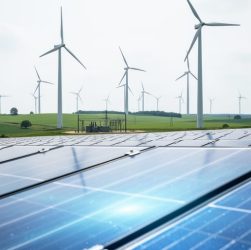
Wind turbines and solar panels in a modern renewable energy field under soft overcast daylight.

What Is the Future of Renewable Energy (and How Will Post-Pandemic Shifts Shape It)?

The future of renewable energy refers to the trajectory and evolution of power generation systems that harness naturally replenishing resources, solar, wind, hydroelectric, geothermal, and biomass, toward achieving grid dominance, technological maturity, and economic competitiveness sufficient to displace fossil fuels as the primary global energy source within the next two to three decades.
This transition matters because energy systems underpin every dimension of modern society, from economic stability to climate resilience. The post-pandemic period has accelerated this shift in unexpected ways. Supply chain disruptions exposed …

“Modern electrolyzer equipment for producing green hydrogen in a facility with visible solar panels and wind turbines in the background.”

What Is Green Hydrogen Energy (and How Does It Work)?

Green hydrogen energy is hydrogen gas produced through the electrolysis of water using electricity generated exclusively from renewable sources such as wind, solar, or hydroelectric power. The process splits water molecules into hydrogen and oxygen, emitting zero carbon dioxide and creating the cleanest form of hydrogen fuel available.
This matters because hydrogen holds immense potential as an energy carrier for sectors where electrification alone falls short. Heavy industry, long-haul transport, and high-temperature manufacturing processes currently rely on fossil fuels that contribute roughly 30 percent of global emissions. Green…

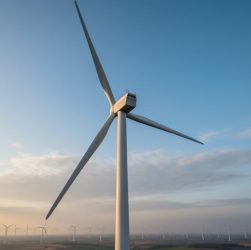
Wind turbine with rotating blades generating clean energy, with additional turbines visible in the distant background.

How Does a Wind Turbine Generate Electricity? A Complete Explanation

A wind turbine generates electricity by converting the kinetic energy of moving air into mechanical power through rotating blades, which then drives a generator to produce electrical current. This elegant transformation follows the same electromagnetic principles discovered nearly two centuries ago, yet modern turbines have evolved into sophisticated machines capable of powering thousands of homes from a single installation.
Understanding how wind turbines work matters now more than ever. As of 2026, wind energy accounts for a growing share of global electricity production, with installations spanning from massive …

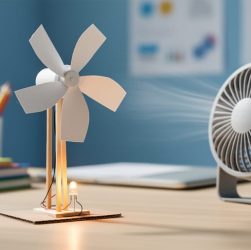
Close-up of a student STEM windmill model with paper-cup rotor blades spinning near a small fan, while a small LED glows to demonstrate wind energy conversion.

How to Build a Stem Windmill Project: Simple Steps for Hands-On Wind Energy Learning

Building a functional windmill model takes about 90 minutes and requires only household materials like paper cups, wooden skewers, and a small motor or LED to demonstrate energy conversion. This hands-on STEM project transforms abstract wind power basics into a tangible learning experience that shows students exactly how kinetic energy from moving air becomes usable electricity.
The project serves multiple educational goals simultaneously. Students engage with engineering design principles as they construct rotor blades and …

Research workspace with an open blank notebook, measuring tools, and a tablet showing abstract light streaks, with softly blurred solar panels and wind turbines in the background.

How Renewable and Sustainable Energy Reviews Became the Go-To Journal for Research Impact

Renewable and Sustainable Energy Reviews stands as the premier academic journal for scholars and practitioners navigating the complex landscape of clean energy research. Published by Elsevier, this high-impact publication serves as a central resource for comprehensive review articles that synthesize cutting-edge developments across solar, wind, biomass, geothermal, and hydroelectric technologies. The journal’s rigorous peer-review process ensures that only the most significant contributions reach its pages, making it an essential venue for researchers seeking to publish authoritative reviews or access the most reliable synthesis of …

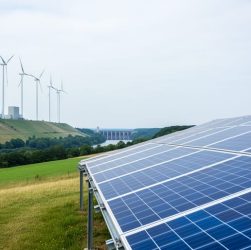
Wind turbines and a solar panel array in a German landscape under an overcast sky, with distant hydro and biomass installations in the background.

What Is Germany’s Renewable Energy Generation in 2026 (and How Does It Work)?

Germany’s renewable energy generation in 2026 refers to the actual electricity produced from wind, solar, hydro, and biomass sources during this year, measured in gigawatt-hours and terawatt-hours rather than the installed capacity figures often cited in industry reports. Understanding this distinction is essential because installed capacity represents the maximum potential output under ideal conditions, while generation data reveals how much renewable electricity Germany’s grid actually delivers to homes, businesses, and industrial facilities.
Key Takeaway: Germany’s …

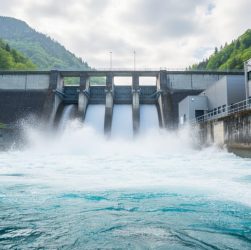
“A hydropower dam with a river flowing over the spillway, showing water mist and a powerhouse in a green valley under an overcast sky.”

Is Hydropower Renewable? What It Means for Clean Energy

Hydropower is renewable energy because it harnesses the continuous water cycle, where evaporation, precipitation, and runoff naturally replenish the resource without depleting it over time. Unlike fossil fuels that form over millions of years and vanish once burned, rivers flow season after season, making hydroelectric generation fundamentally inexhaustible under stable climatic conditions.
This classification matters because hydropower supplies roughly 16% of global electricity in 2026, representing humanity’s largest source of renewable power by total output. Yet the question persists in public discourse, fueled by …

Twilight scene showing Canadian wind turbines and a modern building facade with a subtle light ribbon symbolizing renewable energy credits.

How Renewable Energy Credits Actually Work in Canada’s Energy Market

Renewable energy credits represent a market-based instrument that quantifies and trades the environmental attributes of clean electricity generation, enabling organizations to claim renewable energy use even when they cannot directly access green power sources. Each credit corresponds to one megawatt-hour of electricity generated from renewable sources and can be bought, sold, or retired independently of the physical electricity itself. This separation allows companies in Ontario to purchase credits generated by wind farms in Alberta, for instance, supporting the growth of …

Warmly glowing solar firefly lights illuminating a backyard garden path near greenery and outdoor seating.

Costco’s $14.99 Solar Firefly Lights Are Transforming Backyard Sustainability

Costco’s solar firefly lights represent far more than ambient garden decoration. These affordable consumer products signal a quiet revolution in distributed solar technology, demonstrating how mainstream retail channels are democratizing renewable energy access in ways policy analysts largely overlooked until recently.
The importance extends beyond individual purchases. When major retailers like Costco stock solar-powered decorative lighting, they’re validating photovoltaic technology for millions of consumers who might never read a renewable energy whitepaper or attend a sustainability conference. Each solar firefly …