

A biofuel is a renewable energy source derived from organic matter, known as biomass, that can replace or supplement conventional fossil fuels in transportation, heating, and electricity generation. Unlike petroleum-based fuels formed over millions of years, biofuels are produced from recently living biological materials including crops, agricultural waste, algae, and organic municipal waste. This fundamental distinction makes them part of the short-term carbon cycle rather than releasing ancient carbon stores into the atmosphere.
The concept matters because global energy systems face mounting pressure to decarbonize while maintaining reliability and affordability. Biofuels offer a practical pathway forward, particularly for sectors where electrification remains challenging. Aviation, heavy freight transport, and marine shipping depend on high energy-density liquid fuels that biofuels can provide without requiring complete infrastructure overhauls. Brazil’s success with sugarcane ethanol demonstrates viability at scale, while emerging second and third-generation technologies promise even greater sustainability gains by utilizing non-food feedstocks and waste streams.
This article provides a comprehensive foundation for understanding what biofuels are and how they function within modern energy systems. You’ll learn the biological and chemical processes that convert organic matter into usable fuel, explore the classification systems that distinguish conventional ethanol from advanced algae-based alternatives, and discover where these fuels are already making measurable impacts. Whether you’re evaluating policy implications, researching investment opportunities, or simply seeking clarity on renewable energy options available in 2026, this explainer delivers the essential knowledge needed to grasp both current applications and future potential.
What Biofuels Are: A Clear Definition
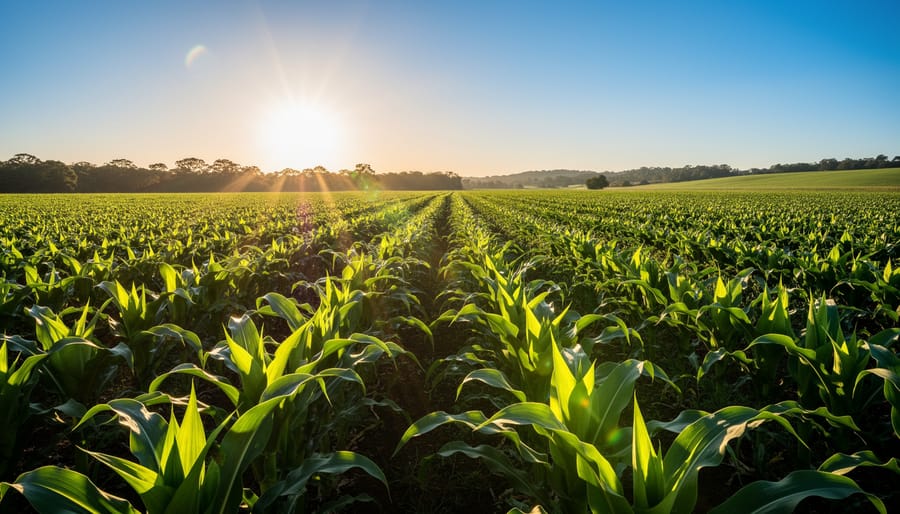
A biofuel is any fuel derived from organic matter, recently living biological materials like plants, algae, or animal waste, rather than from geological deposits formed over millions of years. Unlike fossil fuels such as petroleum or coal, biofuels come from renewable sources that can be regrown or regenerated within human timeframes, making them a cornerstone of efforts to decarbonize energy systems.
The key distinction lies in the carbon cycle. When plants grow, they absorb carbon dioxide from the atmosphere through photosynthesis. That carbon becomes part of the plant’s structure. When we convert those plants into biofuel and burn it, we release that same carbon back into the atmosphere. In theory, the next crop absorbs it again, creating what’s called carbon neutrality via regrowth. Fossil fuels, by contrast, release carbon that’s been locked underground for millennia, adding new greenhouse gases to the active atmospheric system.
- Biomass
- Any organic material from living or recently living organisms, including plants, agricultural residues, wood, algae, and animal waste. Biomass serves as the raw material for biofuel production.
- Feedstock
- The specific biological material used as input for biofuel production. Examples include corn kernels, sugarcane stalks, used cooking oil, and dedicated energy crops like switchgrass.
- First-Generation Biofuels
- Fuels produced from food crops such as corn ethanol or soybean biodiesel. These sparked food-versus-fuel debates due to competition with agricultural land and resources.
- Second-Generation Biofuels
- Fuels made from non-food biomass like crop residues, wood chips, and grasses. They avoid direct competition with food production while utilizing waste materials.
- Third-Generation Biofuels
- Advanced fuels derived from algae and other microorganisms, offering higher yields per acre and the potential to grow on non-arable land or in wastewater.
- Carbon Neutrality
- The principle that biofuels release only the carbon their source plants absorbed during growth, theoretically creating no net addition to atmospheric carbon dioxide when the full cycle includes regrowth.
The conversion principle is straightforward: through various chemical, biological, or thermal processes, we break down the complex molecules in biomass into simpler forms like alcohols, oils, or gases that can power vehicles, heat buildings, or generate electricity. The specific method depends on the feedstock and desired fuel type, but all share the goal of extracting stored solar energy captured by photosynthesis.
How Biofuel Production Works
Biochemical Conversion Processes
Biochemical conversion harnesses living organisms, bacteria, yeasts, and other microbes, to transform organic materials into fuel through natural metabolic processes. Two methods dominate industrial biofuel production: fermentation and anaerobic digestion.
Fermentation produces ethanol by using yeast to break down sugars extracted from corn, sugarcane, or cellulosic biomass. The yeast consumes glucose and excretes ethanol and carbon dioxide as waste products. In large-scale plants, this occurs in massive steel fermentation tanks where temperature, pH, and nutrient levels are carefully controlled. A typical corn ethanol facility might process millions of bushels annually, yielding roughly 2.8 gallons of ethanol per bushel. After fermentation completes, usually within 48 to 72 hours, the resulting “beer” contains about 10-15% ethanol, which distillation concentrates to fuel-grade purity.
Anaerobic digestion operates differently, relying on bacteria that thrive without oxygen. These microbes decompose wet organic waste, manure, food scraps, sewage sludge, crop residues, in sealed tanks called digesters. Over weeks, the bacteria break down complex organic molecules in stages, ultimately producing biogas mainly methane and CO2. Industrial digesters at dairy farms or wastewater treatment plants capture this methane-rich gas for electricity generation, heating, or vehicle fuel. The solid residue left behind serves as nutrient-rich fertilizer, making the process particularly circular. A single large dairy operation can generate enough biogas to power hundreds of homes while managing waste that would otherwise emit greenhouse gases.
Both processes convert what would be waste or surplus crops into usable energy at commercial scale.
Thermochemical Conversion Methods
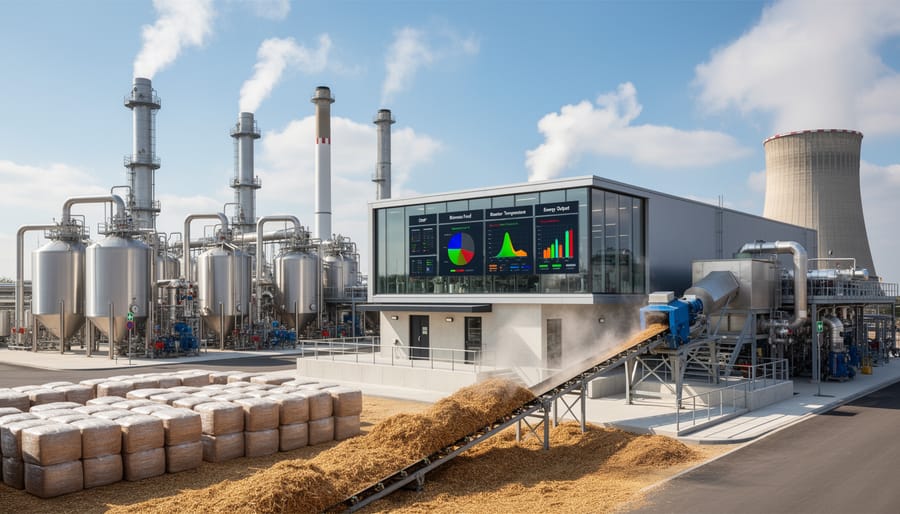
Thermochemical conversion methods harness high temperatures and controlled environments to break down biomass into usable fuels, offering alternatives when biological processes aren’t practical. These techniques work particularly well with woody materials, agricultural residues, and biomass that’s difficult to ferment.
Pyrolysis heats biomass rapidly in the absence of oxygen, typically between 400°C and 600°C. This thermal decomposition produces bio-oil (a liquid fuel), biochar (a carbon-rich solid), and syngas (a combustible gas mixture). Fast pyrolysis, which completes in seconds, maximizes bio-oil yield and proves most effective for creating liquid fuels that can be refined further or used directly in engines and boilers. The bio-oil contains roughly 40% of the energy density of petroleum, making it a viable intermediate product.
Gasification operates at even higher temperatures, 700°C to 1,200°C, with limited oxygen or steam present. This process converts biomass almost entirely into syngas, a mixture of hydrogen, carbon monoxide, and carbon dioxide. Syngas can fuel turbines for electricity generation, serve as a chemical feedstock, or be synthesized into liquid fuels through Fischer-Tropsch processes. Gasification handles diverse feedstocks efficiently, including municipal solid waste.
Hydrothermal liquefaction processes wet biomass under high pressure (5 to 20 MPa) and moderate heat (250°C to 374°C), mimicking geological oil formation in accelerated timeframes. This method excels with algae and other high-moisture feedstocks, eliminating the energy-intensive drying step required by other thermochemical approaches.
Chemical and Mechanical Extraction
Transesterification forms the backbone of modern biodiesel production, converting triglycerides in vegetable oils, animal fats, and algae into fatty acid methyl esters (FAME), the chemical name for biodiesel. The process reacts oils with methanol or ethanol in the presence of a catalyst, typically sodium hydroxide or potassium hydroxide, breaking the glycerol bonds and creating biodiesel plus glycerol as a byproduct. Reaction temperatures around 60°C and one hour of processing typically yield conversion rates above 98%.
Mechanical extraction provides a simpler approach for certain feedstocks. Cold pressing squeezes oil from seeds like rapeseed, sunflower, or jatropha without chemical solvents, producing straight vegetable oil (SVO) that can fuel modified diesel engines directly. While less chemically refined than transesterified biodiesel, mechanical extraction requires minimal processing infrastructure, making it viable for small-scale or decentralized fuel production in agricultural settings.
Main Categories of Biofuels
First-Generation Biofuels
First-generation biofuels represent the earliest commercial biofuels, produced directly from food crops. Ethanol, the most common type, comes primarily from corn in the United States and sugarcane in Brazil. Yeast ferments the sugars in these crops, creating alcohol that’s blended with gasoline, typically at 10% (E10) or 85% (E85) concentrations. Biodiesel follows a similar food-crop approach, made by chemically treating vegetable oils (soybean, rapeseed, palm) or animal fats with alcohol to produce a diesel substitute compatible with many existing engines.
These fuels kickstarted the bioenergy industry and now account for the majority of global biofuel production. However, they’ve sparked ongoing “food versus fuel” debates: diverting crops to energy production can drive up food prices and compete for agricultural land. While they reduce some fossil fuel dependence, their sustainability credentials remain contested. Most analysts view first-generation biofuels as a transitional technology, valuable for establishing infrastructure and markets, but limited in their ability to deliver deep emissions cuts without affecting food security.
Second-Generation Biofuels
Second-generation biofuels address the food-versus-fuel debate by deriving energy from non-food biomass. Cellulosic ethanol, the flagship example, comes from agricultural residues like corn stover and wheat straw, forestry waste such as wood chips and sawdust, and dedicated energy crops including switchgrass and miscanthus. These materials contain cellulose and hemicellulose, complex carbohydrates that require enzymes or chemical pretreatment to break down into fermentable sugars before conversion to ethanol.
Biodiesel production has similarly evolved, now utilizing used cooking oil, animal fats from meat processing, and non-edible plant oils. This approach transforms waste streams into valuable fuel while avoiding competition with food supplies.
The benefits are substantial: second-generation biofuels don’t compete for arable land needed for crops, can grow on marginal soils unsuitable for food production, and often deliver better greenhouse gas reductions than their first-generation counterparts. Agricultural residues that would otherwise decompose or be burned can generate energy, turning waste into resource. Production costs remain higher than conventional fuels, but enzymatic advances and process improvements continue narrowing that gap.
Third-Generation and Advanced Biofuels
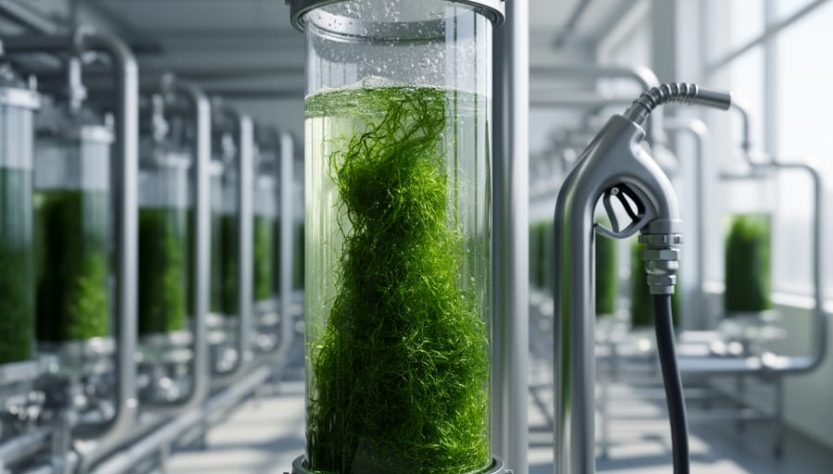
Third-generation biofuels represent a transformative leap beyond agricultural and waste feedstocks. Algae cultivation stands at the forefront, offering exceptional oil yields per acre, up to 30 times more than traditional crops, without competing for arable land. Microalgae species can double their biomass in hours, thriving in saltwater, wastewater, or even industrial CO₂ streams, converting emissions into fuel precursors.
Synthetic biology has unlocked engineered microorganisms that produce drop-in hydrocarbon replacements identical to petroleum fuels, eliminating compatibility issues with existing engines and infrastructure. Researchers have developed bacteria and yeast strains optimized to convert diverse sugars and even cellulose directly into aviation-grade kerosene or diesel, bypassing inefficient intermediate steps.
Novel conversion pathways now include hydrothermal liquefaction operating at lower temperatures, reducing energy input costs. Catalytic upgrading processes refine crude bio-oils into high-quality fuels faster than traditional methods. Some facilities integrate carbon capture systems that recycle process emissions back into algae ponds, creating closed-loop production.
Innovations in 2026 have accelerated commercial viability: automated photobioreactors optimize light and nutrient delivery, while hybrid approaches combine algae cultivation with wastewater treatment, generating revenue from both fuel and environmental services. Emerging research into hydrogen biofuels produced through biological water-splitting or fermentation pathways, promises ultra-clean combustion. These hydrogen biofuels could complement battery electrification in sectors requiring high energy density, positioning advanced biofuels as crucial tools in achieving net-zero transportation.
Where Biofuels Are Used Today

Biofuels have moved from experimental status to practical deployment across multiple sectors of the global economy. Their versatility as drop-in replacements for petroleum-based fuels allows them to work within existing infrastructure, accelerating adoption without requiring wholesale system redesigns.
Transportation Dominates Current Use
Road transport consumes the largest share of biofuels produced today. Ethanol blends (typically E10, containing 10% ethanol) power millions of vehicles worldwide, with flex-fuel vehicles in Brazil running on E85 or pure ethanol. Biodiesel appears in diesel engines at B5 to B20 blends, with some heavy-duty trucks and buses operating on B100. The United States mandates biofuel blending through the Renewable Fuel Standard, while the European Union’s Renewable Energy Directive sets similar targets, creating guaranteed markets that drive production.
Aviation represents a growing frontier. Sustainable aviation fuel (SAF), derived from used cooking oil, agricultural residues, and purpose-grown feedstocks, can blend up to 50% with conventional jet fuel without engine modifications. Airlines including United, KLM, and Qantas have committed to SAF purchases as part of decarbonisation strategies, though production volumes remain a fraction of total jet fuel demand.
Marine shipping increasingly turns to biodiesel and renewable diesel to meet International Maritime Organization emissions targets. Container ships, ferries, and fishing vessels run on biofuel blends, particularly in emission-control areas where cleaner fuels are mandatory.
Beyond Transportation
Biofuels serve diverse applications across multiple sectors:
- Road transport: Cars, trucks, and buses using ethanol and biodiesel blends
- Aviation: Sustainable aviation fuels in commercial and cargo flights
- Marine shipping: Biodiesel for vessels operating in emission-control zones
- Combined heat and power: Biogas from anaerobic digesters generating electricity and thermal energy for buildings
- Off-grid electricity: Remote communities and industrial sites using biogas or biodiesel generators
- Industrial feedstock: Renewable diesel and bio-oils replacing petroleum in chemical manufacturing
Biogas from municipal wastewater treatment plants, landfills, and agricultural digesters powers combined heat and power systems. These installations generate electricity while capturing waste heat for district heating networks or industrial processes. When paired with energy storage systems, biogas plants provide dispatchable renewable power that complements intermittent solar and wind generation.
Industrial facilities use biofuels as both energy sources and chemical feedstocks. Renewable diesel serves as a cleaner alternative to petroleum in manufacturing processes, while bio-oils derived from pyrolysis replace fossil inputs in producing plastics, resins, and specialty chemicals. This industrial integration demonstrates that biofuels function not just as transportation fuels but as versatile building blocks in a decarbonising economy.
The Role of Innovation in Modern Biofuel Technologies
Innovation is reshaping biofuel production from an expensive, land-intensive process into a competitive renewable energy solution. Modern technologies tackle the sector’s historical weaknesses, high costs, limited feedstock efficiency, and environmental trade-offs, making biofuels viable at scale.
Enzyme engineering has revolutionized cellulosic ethanol production. Scientists now design custom enzymes that break down tough plant cell walls faster and more completely, extracting more fuel from the same amount of agricultural waste. This means corn stalks, wheat straw, and forestry residues yield significantly more ethanol than just five years ago, reducing the feedstock needed per gallon produced.
Advanced catalysts are transforming biodiesel and biojet fuel production. New zeolite and metal-organic frameworks accelerate chemical reactions at lower temperatures, cutting energy consumption during conversion. These catalysts also improve fuel quality, producing cleaner-burning biofuels that meet strict aviation and automotive standards without engine modifications.
Integrated biorefineries operate like sophisticated factories that extract maximum value from every input. Rather than producing only fuel, they generate electricity from waste heat, create animal feed from leftover biomass, and capture CO₂ for industrial use. This multi-product approach improves economics dramatically, sometimes doubling the return on feedstock investment.
Carbon capture integration represents a frontier in biofuel sustainability. Facilities now pair biofuel production with systems that trap and store the CO₂ released during fermentation or combustion. Since the original biomass absorbed that carbon while growing, capturing it creates what researchers call “carbon-negative” fuel, actually removing greenhouse gases from the atmosphere. These advances mirror broader renewable breakthroughs accelerating the energy transition, proving that biofuels can compete on both performance and environmental impact.
Common Questions About Biofuels
Adopting any new energy source raises practical questions, and biofuels are no exception. Understanding the real-world trade-offs helps clarify where biofuels fit in the renewable energy landscape and what challenges the sector must still overcome.
Are biofuels truly carbon neutral?
Biofuels can be low-carbon, but rarely carbon neutral in practice. While plants absorb CO₂ during growth, emissions from farming, processing, and transport add to the total footprint. Advanced biofuels from waste or algae tend to offer the best net carbon reduction.
Can biofuels replace fossil fuels entirely?
Complete replacement faces practical limits. Land, water, and feedstock availability constrain how much biofuel the world can sustainably produce. Biofuels work best as part of a diversified energy mix alongside wind, solar, and other renewables.
Do biofuels work in existing vehicles?
Many do. Ethanol blends up to 10% (E10) and biodiesel blends up to 20% (B20) typically run in standard engines without modification. Higher concentrations may require compatible fuel systems or flex-fuel vehicles.
What are the main challenges facing biofuel adoption?
Cost remains the biggest hurdle, advanced biofuels often can’t compete with cheap fossil fuels without subsidies. Scaling production, securing sustainable feedstocks, and building distribution infrastructure also require significant investment and policy support.
The sustainability question matters most to environmental advocates. First-generation biofuels from food crops can increase land clearing and fertilizer use, potentially offsetting carbon gains. Second and third-generation options address these concerns by using waste or non-food feedstocks, though production costs currently run higher. Infrastructure compatibility varies by fuel type and blend ratio, but the existing petroleum distribution network can often handle low-percentage blends with minimal adaptation. Looking ahead, breakthroughs in enzyme efficiency and algae cultivation could lower costs and expand feedstock options, making biofuels more competitive without subsidies by the end of this decade.
Biofuels represent far more than a simple alternative to petroleum. They’re renewable energy sources derived from organic matter that integrate into the natural carbon cycle, offering a pathway to reduce our dependence on fossil fuels while leveraging existing infrastructure and technologies.
The sector has evolved dramatically from early food-crop ethanol to sophisticated advanced biofuels produced from waste, algae, and non-food biomass. Recent innovations in enzyme engineering, catalytic conversion, and integrated biorefineries are steadily addressing the cost and efficiency challenges that once limited widespread adoption. These advances position biofuels as an increasingly competitive component of the 2026 energy landscape.
What makes biofuels particularly valuable is their versatility. They’re powering vehicles, heating homes, generating electricity, and fueling aircraft, often using the same distribution systems and engines designed for conventional fuels. This compatibility accelerates deployment while research pushes boundaries further.
The transition to renewable energy isn’t built on a single solution. It requires diverse technologies working in concert, and biofuels occupy a critical space in that portfolio. As production methods improve and feedstock options expand, their role in decarbonizing transportation and industry will only grow more significant. Understanding what biofuels are and how they work is understanding a vital piece of our energy future.