

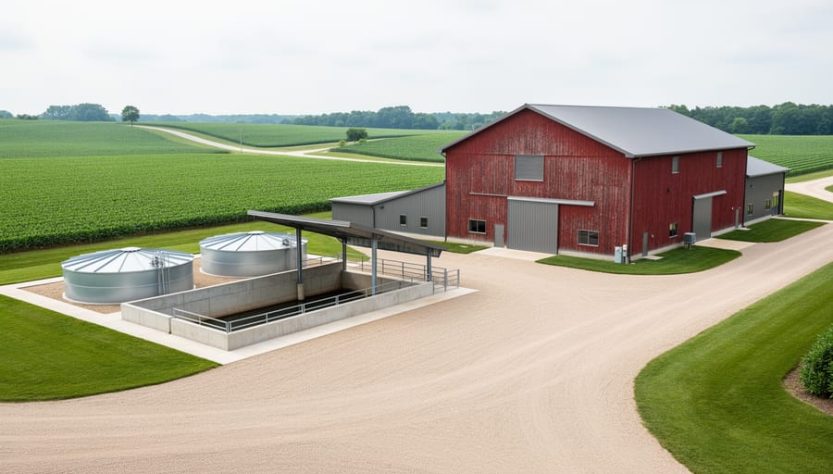
A Pennsylvania manure management plan is a written document that shows how a farm will store, handle and apply manure so nutrients feed crops instead of reaching streams. Under the state’s Nutrient Management Act and the related Chapter 83 regulations, operations classed as concentrated animal operations (CAOs), or those that choose to participate in the program, must have a plan prepared by a certified nutrient management specialist. Smaller operations that land-apply manure are still expected to follow the state’s manure management requirements, and the Pennsylvania Department of Environmental Protection and the State Conservation Commission set the standards.
A plan typically covers animal numbers, manure production, storage capacity, field maps, soil test results, crop nutrient needs and application rates, timing and setbacks. Getting it right protects water quality, keeps a farm in good standing with regulators, and often reveals how much fertilizer value is already sitting in the manure pit.
That value is where renewable energy enters the picture. Anaerobic digestion turns manure into biogas while producing digestate, a nutrient-rich material that changes how nitrogen and phosphorus are handled in a plan. Below, we outline the regulatory basics, explain how digestate treatment fits into nutrient planning, and point you to the official sources that confirm current requirements.
What a Pennsylvania Manure Management Plan Actually Requires
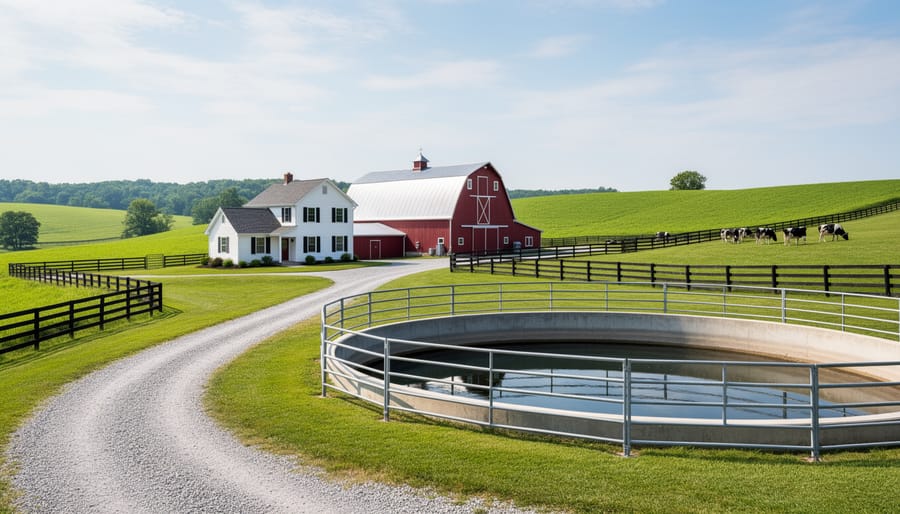
Core Components of a Plan
A Pennsylvania manure management plan usually walks through a handful of connected elements. The exact mix depends on what you raise and how many animals you keep, so treat this as a map rather than a checklist.
– Storage and handling: how manure is collected, where it is stored, and how long it can be held before application.
– Application rates and timing: how much goes on each field, and when, based on crop needs and field conditions.
– Soil and manure testing: lab results that replace guesswork about nutrient content.
– Setbacks and runoff controls: distances from streams, wells and sinkholes, plus practices that keep nutrients on the field.
– Recordkeeping: documentation of what was applied, where and when.
A few terms come up constantly in this process:
- Manure management plan
- A written plan describing how manure is stored, handled and applied so that nutrients stay out of surface and groundwater.
- Nutrient management plan
- A broader plan that balances all nutrient sources, including manure and fertilizer, against crop needs.
- Animal equivalent unit
- A standard measure that converts different livestock types into a common weight-based unit so operations can be compared.
- Nutrient balance sheet
- An accounting of nutrients produced on or imported to a farm versus nutrients used by crops or exported.
- Setback
- A required buffer distance between manure application or storage and features such as streams, wells or property lines.
Smaller operations may need a simpler manure management plan, while larger livestock operations face a fuller nutrient management plan. Some farms must have a plan required under Chapter 91 and the details vary with herd type and size. Before you draft anything, confirm your obligations with your county Conservation District, which can tell you which components apply to your operation.
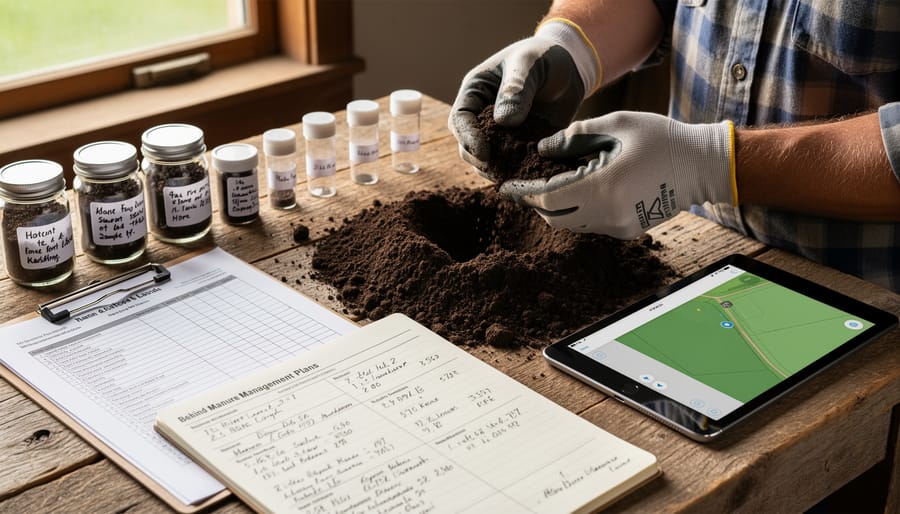
Who Reviews and Maintains the Plan
In Pennsylvania, a manure management plan involves several parties, each with a distinct job. The operator is ultimately responsible for following the plan and for keeping it accurate as the farm changes. Herd size, acreage, crop rotations and storage facilities all shift over time, and the plan should reflect those shifts rather than sit in a drawer.
Many operators work with a certified planner, a professional trained and certified to prepare plans that meet state standards. Planners translate soil tests, manure analyses and field conditions into workable application rates, timing and setbacks.
County Conservation Districts act as the local point of contact. They provide guidance, answer questions and, working under the framework set by the State Conservation Commission, play a role in reviewing plans and checking that operations are following them.
Across all of this, one expectation stays constant: keep the plan current and retain your records, including test results, application dates and rates. Confirm the specific review and retention requirements for your operation with your county Conservation District.
Why Digestate Changes the Nutrient Planning Conversation
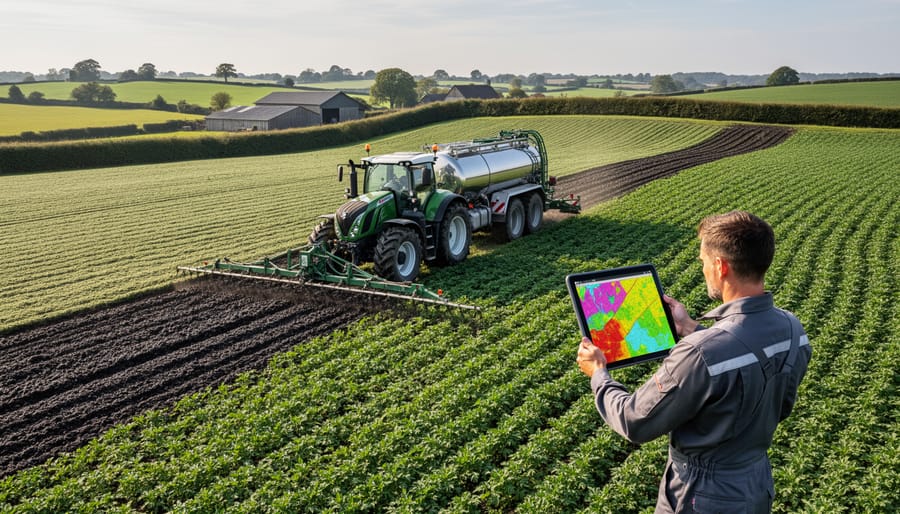
Digestate is what remains after anaerobic digestion has done its work. In a sealed, oxygen-free digester, microbes break down the organic matter in raw manure and any co-digested feedstocks, producing biogas (mostly methane and carbon dioxide) that can fuel engines, heat buildings or be upgraded to pipeline-quality gas. If you’ve ever asked what is a biofuel biogas from manure is a strong example of one that comes straight from farm residues. The liquid and solid material left behind is digestate, and it still carries the nutrients that crops need.
The digestion process doesn’t destroy nitrogen, phosphorus or potassium. It changes their form. Part of the organic nitrogen is converted to ammonium, which plants can take up quickly, and the material typically becomes more uniform and easier to pump. That shift is the heart of why digestate matters for a Pennsylvania manure management plan: the nutrient values and handling behavior you documented for raw manure may no longer describe what you are actually storing and spreading.
| Characteristic | Raw Manure | Digestate |
|---|---|---|
| Nutrient form | More nitrogen bound in organic compounds, released slowly | Greater share of ammonium nitrogen, more readily available to crops |
| Odor | Often strong and persistent | Generally reduced, though still present |
| Handling | Variable consistency, higher solids and fibers | Typically more fluid and homogeneous, easier to pump and separate |
| Planning considerations | Use standard book values or manure test results | Needs its own nutrient testing, since values depend on feedstock and process |
Pathogen reduction is another benefit worth noting. The sustained warmth in a digester can lower pathogen levels compared with untreated manure, although the degree depends on temperature and retention time, so it should not be treated as a guaranteed outcome.
For planners, the practical takeaway is that faster-acting nitrogen calls for careful attention to application timing and rates, particularly near surface water. Testing the digestate itself, rather than assuming it matches the original manure, gives a far more reliable basis for the nutrient calculations a plan depends on. In this way, a single system links renewable energy generation with better-targeted nutrient stewardship on the land.
Digestate Treatment Technologies in the Spotlight
Separation and Nutrient Recovery
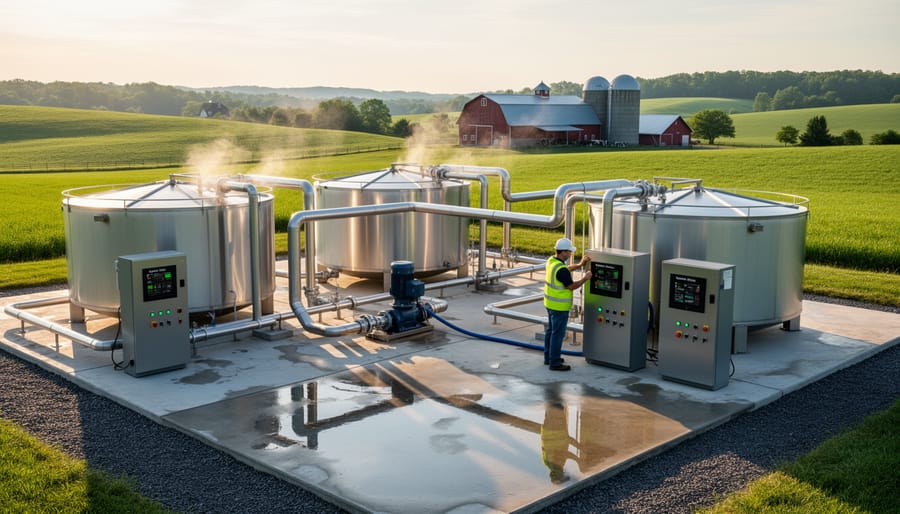
Separation is often the first step in digestate treatment, and it changes how a farm can think about nutrients. A screw press or similar device splits digestate into two streams: a fibrous solid and a nutrient-bearing liquid. The solid fraction holds much of the phosphorus and organic matter. It is lighter, easier to haul, and can be composted, used as bedding where appropriate, or applied to fields with greater precision. The liquid fraction carries most of the soluble nitrogen and potassium, which crops can use readily.
This split matters for a pa manure management plan because phosphorus is frequently the limiting nutrient on livestock farms. When the phosphorus-rich solids can be moved off the home acres, the remaining land is under less pressure from local nutrient balances. Nutrient recovery processes go a step further, concentrating nitrogen, phosphorus or both into products that can be transported farther or sold to fertilizer markets, rather than being spread near the barn.
These pathways are a growing focus of bioenergy research where digestion and nutrient recovery are studied together. Operators should treat any exported or sold product as a documentation question, and confirm with their Conservation District how it should be recorded in the plan.
Matching Technology to Farm Scale
Farm size, herd type and available land shape which treatment pathway fits. A large dairy with limited cropland and a heavy nutrient surplus may benefit most from separation paired with nutrient concentration, since moving nutrients off the farm eases pressure on local balances. A mid-sized operation with ample acreage might find that simple solid-liquid separation, plus better storage and timing, covers its needs without added complexity.
Herd type matters too. Dairy and swine manure are wetter and behave differently than poultry litter, which is drier and often suits drying or pelletizing. Planners should also consider whether feedstock supply is steady enough to support digestion at all.
Because treatment systems add equipment, labor and monitoring, many operators look to renewable energy trends to see how shared or regional facilities are evolving. Talk with your Conservation District and a certified planner early to match technology to your operation.
Writing Digestate and Treatment Systems Into Your Plan
Digestate rarely behaves like the raw manure your plan was originally built around. Once a digester or treatment system comes online, the documentation has to catch up. The goal is simple: every nutrient source, storage volume and application rate in the plan should reflect what actually leaves your operation and lands on your fields.
A practical sequence looks like this:
- Characterize the new material. Identify whether you are handling whole digestate, a separated liquid, a fibrous solid, or a concentrated nutrient product, since each carries different nutrient and solids profiles.
- Sample and test each stream. Use a certified laboratory for nitrogen forms, phosphorus, potassium and solids content, and repeat testing seasonally, because digestate composition shifts with feedstock and operating conditions.
- Recalculate storage. Treatment can change volumes and handling needs, so revisit capacity, freeboard and the number of days of storage your plan assumes.
- Revise application rates and timing. Match field nutrient budgets to the tested values, not to book values for raw manure, and account for the higher plant-available ammonium that digestate often carries.
- Document imports and exports. Record any imported feedstocks, such as food waste, and any treated products leaving the farm, including who receives them and in what quantities.
- Consult the agencies before you finalize. Review the draft with your certified planner and county Conservation District, and confirm requirements with DEP.
Imported feedstocks deserve particular attention. Bringing in outside organic material adds nutrients that never appeared in the original plan, so they need to be counted in the farm’s overall nutrient balance. Likewise, exporting a dried or concentrated product can ease pressure on local fields, but only if the paper trail shows where it went.
Storage planning often connects to broader infrastructure thinking. Operators weighing biogas use, on-site power and flexible dispatch may find it useful to understand energy storage technology since it shapes how digester output fits into the farm’s energy and nutrient systems.
Finally, talk to the agencies early rather than late. Permitting thresholds, plan-amendment triggers and review procedures change over time, so confirm current rules directly with your Conservation District and DEP before you commit to a design. A short conversation at the planning stage can prevent costly revisions once equipment is already in the ground.
Lessons From the Field: Case Studies and Expert Voices
Operations that pair anaerobic digestion with a manure management plan update tend to follow a recognizable pattern, and that pattern is well documented across the livestock sector. A dairy, for example, installs a digester to capture biogas, then discovers that the plan it wrote years earlier no longer describes the material it is storing and spreading. Digestate typically has a different nutrient availability, solids content and odor profile than raw manure, so planners revisit manure and soil testing, recalculate storage capacity and rework application rates and timing. Many operators also add solid-liquid separation, which makes it possible to move nutrients off-farm instead of overloading nearby fields.
Planners and extension specialists often stress the same lesson: bring the Conservation District in early. Changes such as imported feedstocks, exported products or new storage structures can affect how a plan is reviewed, so confirming current requirements with the county District and Pennsylvania DEP before construction saves time and avoids rework. Specialists also point out that updated lab results, not assumptions carried over from raw manure, should drive every revised calculation.
Speakers at gatherings like the Manure Digestate Treatment Conference commonly emphasize that technology works best when matched to farm scale, herd type and available land. A smaller operation may gain the most from separation alone, while a larger one may justify nutrient concentration or drying. Because named projects, figures and quotes must be verified before they appear in print, readers looking for specific Pennsylvania examples should consult conference proceedings, extension publications and agency case summaries directly.
These patterns reflect the broader momentum behind clean energy on working farms, the same momentum highlighted in recent coverage of renewable breakthroughs reshaping how rural operations generate value. Pairing digestion with a carefully updated plan shows how energy production and water quality protection can reinforce one another.
Common Questions About Manure Plans and Digestate
Readers tend to arrive with the same handful of practical questions, so here are direct answers. Because rules and thresholds can change, treat each one as a starting point and confirm specifics with the agencies named below.
Does anaerobic digestion change my manure management plan requirements?
It can, because digestion alters the nutrient profile, handling and possibly the storage needs of what you apply. Ask your county Conservation District whether your plan needs to be amended before you add a digester.
Does digestate count as manure for planning purposes?
Digestate made from manure is generally evaluated with the manure it came from, but imported feedstocks may change that picture. The Pennsylvania DEP and the State Conservation Commission can give a definitive ruling for your situation.
Where do I find official plan forms and templates?
Start with the Pennsylvania DEP and State Conservation Commission websites, or contact your county Conservation District. They can point you to the current versions and a certified planner if you need one.
How does digestate treatment affect storage needs?
Separation or concentration can reduce the volume that must be held through the non-application season, though the result depends on your system. Recalculate storage capacity with your planner and confirm the approach with the Conservation District.
Beyond these questions, the best habit is early conversation. Operators who involve their planner and Conservation District before installing digestion or treatment equipment usually find the documentation far easier to update than those who try to retrofit a plan afterward.
Pennsylvania’s manure management framework and digestate treatment innovation are not competing priorities. They pull in the same direction. A sound plan keeps nutrients where crops can use them and away from streams, while anaerobic digestion and downstream treatment add renewable energy and marketable nutrient products to the picture.
For operators, the practical next step is simple: talk with your county Conservation District early. They can explain how current requirements apply to your operation, and what changes if digestate or treated products enter your nutrient balance. Pair that conversation with a look at the official DEP and State Conservation Commission resources, since forms and thresholds can change.
It also pays to follow the outputs of the Manure Digestate Treatment Conference, where new approaches to separation, nutrient recovery, and application get tested and shared. Treated as an opportunity rather than a burden, this technology can help farms stay compliant, protect local water quality, and turn a management challenge into a lasting asset.