

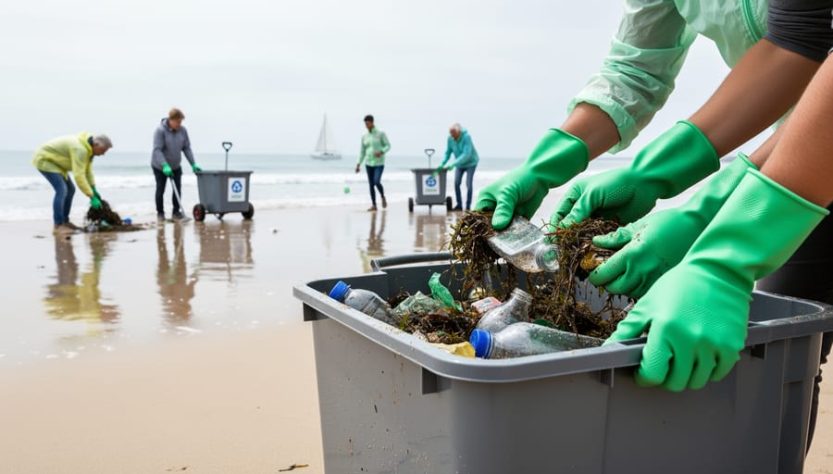
Environmental events span a remarkable spectrum, from community tree-planting days mobilizing dozens of volunteers to global virtual summits drawing millions of participants. These gatherings serve a dual purpose: raising critical funds for conservation initiatives while catalyzing lasting behavioral change through hands-on engagement and education. Whether you’re seeking inspiration for your next fundraising campaign or evaluating which events merit your participation and support, the landscape offers proven formats across physical and digital spaces, each with distinct planning requirements and impact potential.
The most effective environmental events in 2026 share three characteristics: clear fundraising mechanisms tied to measurable outcomes, accessible participation models that welcome diverse skill levels, and educational components that extend beyond the event itself. A single well-executed beach cleanup can remove thousands of pounds of debris while connecting participants to marine conservation organizations. A corporate sustainability summit might generate six-figure donations while shifting procurement policies across entire industries. Scale matters less than intentional design.
The dozen event types explored here represent tested models currently generating results for nonprofits, corporations, educational institutions, and grassroots organizers. Each format includes transparent selection criteria and practical planning guidance, moving beyond surface-level descriptions to address the questions facing anyone tasked with choosing or creating an environmental event. From participant recruitment strategies to hybrid delivery options that emerged stronger after 2020, this framework equips you to match event type to organizational capacity and community need.
How We Selected These Events
We evaluated dozens of environmental event formats to identify those delivering measurable results in both awareness and fundraising. Our selection focused on five core criteria.
First, demonstrable impact on environmental awarenessevents must educate participants about climate action, renewable energy, or sustainability in tangible ways. Second, fundraising potential: each format has proven mechanisms for generating financial support, whether through ticket sales, sponsorships, or donation drives.
Third, accessibility: we prioritized events that accommodate varying budgets, physical abilities, and geographic locations, including virtual options. Fourth, track record: these formats have been successfully executed by organizations worldwide, with documented outcomes rather than theoretical appeal.
Finally, relevance to renewable energy and sustainability goals: every event type directly advances clean energy adoption, carbon reduction, or ecosystem protection aligned with 2026’s climate priorities.
Important clarification: this list presents event types and formats you can organize or attend throughout the year, not specific calendar dates or one-time occasions. These are replicable models that communities, organizations, and activists adapt to their local contexts and timing needs. Whether you’re planning your first fundraiser or seeking participation opportunities, these categories offer tested frameworks for meaningful environmental action.
1. Earth Day Community Celebrations
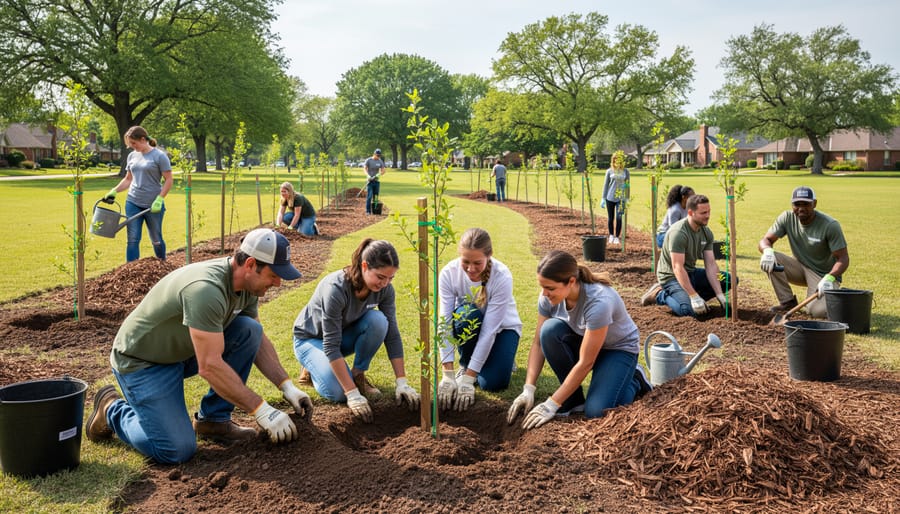
Earth Day community celebrations have anchored the environmental movement since 1970, when 20 million Americans rallied for ecological reform. Today, these April 22 events remain the world’s largest civic observance focused on environmental protection, drawing over one billion participants across 190 countries annually.
Local celebrations typically blend hands-on conservation work with education. Tree planting initiatives restore urban canopies while sequestering carbon. Neighborhood clean-ups remove litter from parks, waterways, and streets. Educational workshops cover topics ranging from composting techniques to renewable energy breakthroughs connecting participants directly to solutions they can implement at home.
The fundraising model varies by scale. Grassroots events often rely on local business sponsorships, hardware stores donate supplies, restaurants provide refreshments, in exchange for visibility and community goodwill. Larger municipal celebrations secure corporate partnerships worth thousands of dollars, with sponsors funding educational materials, event infrastructure, and ongoing environmental programs.
Donation drives integrated into Earth Day activities prove particularly effective. Attendees contribute directly to conservation projects, renewable energy installations at community facilities, or environmental education programs in schools. Registration fees for premium activities like guided nature walks or expert-led sustainability workshops create additional revenue streams while maintaining free access to core programming.
2. Solar and Wind Farm Open House Tours
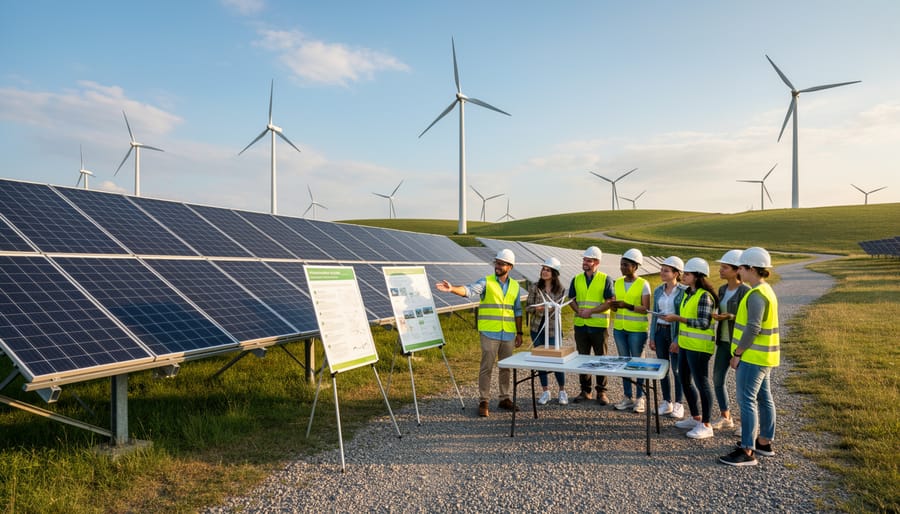
Renewable energy facilities increasingly open their doors to the public, transforming technical infrastructure into accessible learning experiences. Solar and wind farm tours let visitors walk between towering turbines or inspect photovoltaic arrays up close, making abstract concepts like kilowatt-hours and grid integration tangible. Operators typically guide groups through safety zones, explaining how sunlight converts to electricity or how blade pitch adjusts to wind speed, often supplementing the tour with interactive displays that show real-time power generation data.
These events serve multiple purposes beyond education. They build local trust by showing neighbors exactly how these installations operate and what environmental safeguards are in place. Many facilities charge modest admission fees, with proceeds supporting community renewable energy grants or school solar panel installations. Others partner with environmental nonprofits, allowing those organizations to set up information booths and collect donations during tours. Corporate sponsors sometimes underwrite open house costs in exchange for brand visibility.
Well-designed tours balance technical depth with approachability. Staff might demonstrate wind power basics using scaled models before heading to actual turbines, or let visitors track their household energy equivalents in solar panels. The hands-on exposure often converts skeptics into advocates, proving that renewable infrastructure can coexist with communities while advancing clean energy literacy.
3. Green Technology Expos and Innovation Fairs
Green technology expos and innovation fairs bring renewable energy products, sustainable solutions, and environmental technologies under one roof, creating an immersive showcase for industry professionals and the public alike. These events range from large-scale international trade shows like the International Renewable Energy Conference to regional sustainability fairs hosted by business chambers or environmental organizations.
Attendees encounter live demonstrations of solar panels, wind turbines, energy storage systems, electric vehicles, and emerging cleantech solutions. Exhibitors display everything from residential solar kits to commercial-scale battery systems, giving visitors hands-on exposure to technologies they might otherwise only read about. Industry experts lead seminars on installation best practices, policy updates, and return-on-investment calculations that demystify the transition to renewable energy.
The fundraising model operates through multiple channels. Exhibitor booth fees and sponsor packages generate immediate revenue, while ticket sales from public attendees provide additional income. Many expos partner with environmental nonprofits, directing a portion of proceeds toward specific green initiatives or establishing investment matching programs where sponsors pledge funds based on attendance milestones.
These events also catalyze business development. Investors scout promising startups, manufacturers connect with distributors, and consumers make purchasing decisions. This commercial activity multiplies the events’ impact beyond the fundraising total, accelerating market adoption of renewable technologies while educating diverse audiences about viable environmental solutions.
4. Climate Action Marathons and Fun Runs
Climate action marathons and fun runs combine physical fitness with environmental fundraising through a straightforward participant-pay model. Runners register at tiered entry fees, typically ranging from $25 for 5K community runs to $75+ for full marathons, with proceeds directed toward renewable energy projects, conservation initiatives, or climate advocacy organizations.
The fundraising mechanics work on three levels. Registration fees provide base revenue, while corporate sponsorships cover event costs and boost net proceeds. Many events also incorporate pledge-based fundraising, where participants collect donations per mile or kilometer from personal networks, multiplying the financial impact beyond entry fees alone.
These events attract diverse demographics, from competitive athletes to families seeking weekend activities, broadening the reach of environmental messaging. Race packets often include educational materials about the benefiting cause, branded merchandise from eco-conscious sponsors, and information on carbon offset programs tied to the event itself.
Successful climate runs emphasize tangible outcomes: “Your $50 registration plants 25 trees” or “Funds will install solar panels at three community centers.” Post-event reports showing exactly how funds were allocated build trust and encourage repeat participation. Virtual race options, which gained prominence during remote work eras, continue expanding accessibility while reducing the event’s own carbon footprint through eliminated travel requirements.
5. Renewable Energy Webinars and Virtual Summits
Online conferences and webinars have become essential platforms for renewable energy education, removing geographic barriers that once limited participation in environmental discussions. These virtual events connect thousands of attendees with industry experts, policymakers, and innovators without travel emissions or venue constraints.
Successful virtual summits typically feature multi-day programming with keynote addresses, breakout sessions, and interactive Q&A panels. Topics range from technical deep-dives on battery storage and grid integration to policy analyses of carbon pricing and renewable energy incentives. Recorded sessions extend value beyond the live event, creating an educational archive that organizers can monetize through on-demand access.
The fundraising model combines several revenue streams. Tiered ticket pricing offers basic access at lower price points while premium passes include networking lounges, one-on-one expert consultations, or exclusive workshops. Corporate sponsors gain visibility through branded virtual booths, speaking slots, and logo placement across digital platforms. Some events generate additional income by selling exhibitor spaces where clean energy companies showcase products through video demonstrations and downloadable resources.
Accessibility advantages are significant, participants from developing regions or those with mobility constraints can engage equally, while costs remain minimal compared to physical conferences. This democratic reach makes virtual summits particularly effective for building global coalitions around renewable energy adoption.
6. Environmental Film Festivals and Screenings
Environmental film festivals transform complex environmental issues into emotionally resonant stories that inspire action. These events screen documentaries about climate change, conservation efforts, and renewable energy innovations, reaching audiences who might not engage with technical reports or policy papers. Major festivals like Wildscreen and EcoFocus attract thousands of attendees, while smaller community screenings create intimate educational experiences.
The fundraising model typically combines ticket sales with sponsorship packages from environmental nonprofits, green businesses, and renewable energy companies. Premium tickets often include post-screening Q&A sessions with filmmakers, scientists, or activists featured in the documentaries, adding educational value and justifying higher price points. Some festivals incorporate pitch competitions where filmmakers present works-in-progress, with audience donations funding completion.
Virtual screening options expanded accessibility dramatically, allowing global participation without travel emissions. Hybrid events now offer in-person premieres alongside online viewing passes, maximizing reach and revenue. Festivals frequently partner with environmental organizations to connect storytelling with concrete action, attendees might leave with information about local solar installations, offshore wind updates or volunteer opportunities highlighted in the films.
Educational impact extends beyond screening nights through community discussion guides, school partnerships, and ongoing digital access to selected films, sustaining awareness long after the festival concludes.
7. Tree Planting and Reforestation Campaigns
Tree planting campaigns combine immediate environmental action with measurable long-term impact, making them particularly appealing to both participants and funders. These events transform corporate teams, school groups, and community volunteers into restoration crews for a day, planting native seedlings in deforested areas, urban parks, or watershed buffer zones.
The fundraising model typically layers multiple revenue streams. Corporations sponsor bulk plantings, often hundreds or thousands of trees, as part of sustainability commitments, receiving public recognition and carbon offset documentation. Individual donors fund trees at rates ranging from $5 to $50 per sapling, depending on species and project complexity. Some campaigns adopt a pledge-based approach where participants secure sponsors for every tree they personally plant.
What distinguishes successful reforestation events is transparent impact tracking. Organizers provide GPS coordinates, survival rate updates, and carbon sequestration projections based on species and growth patterns. Many projects partner with forestry experts who monitor plantings for years, sharing progress reports and photos with donors.
Beyond carbon capture, these campaigns address biodiversity loss and soil erosion while educating participants about native ecosystems. The physical, collaborative nature creates memorable experiences that convert one-time volunteers into long-term environmental advocates and repeat donors.
8. Beach and River Clean-Up Days
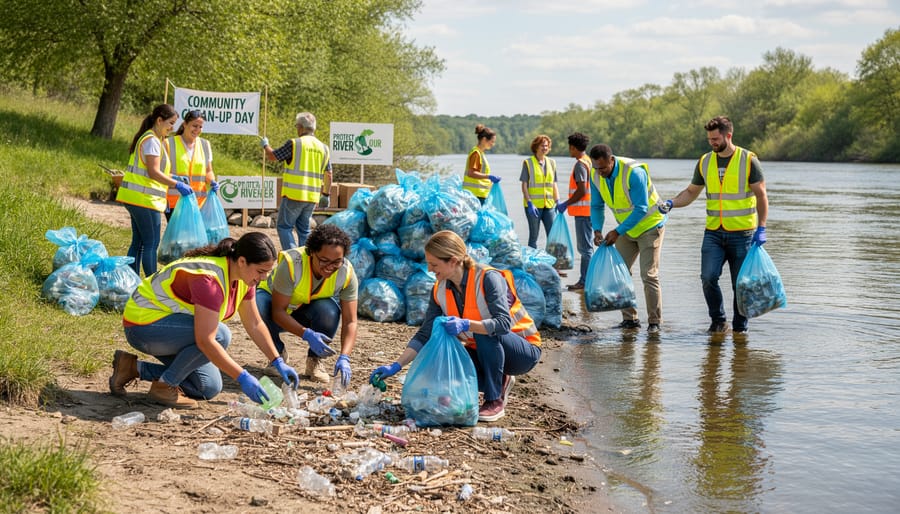
Beach and river clean-up days mobilize volunteers to remove accumulated debris from waterways and shorelines while spotlighting the connection between pollution and environmental health. These events typically see participants collecting plastic bottles, fishing gear, cigarette butts, and other waste that threatens aquatic ecosystems, often tallying thousands of pounds in a single morning. Organizers combine the physical labor with educational components: explaining how microplastics enter food chains, how runoff affects marine life, and why reducing single-use items matters for broader sustainability goals.
The fundraising model relies heavily on corporate sponsorships from local businesses, outdoor gear companies, and environmental organizations seeking community goodwill. Many sponsors provide cleanup supplies, refreshments, or branded reusable bags in exchange for logo placement and recognition. Some events sell educational merchandise, reusable water bottles, tote bags made from recycled ocean plastic, or information booklets, with proceeds funding ongoing conservation work. Larger campaigns partner with manufacturers or utilities to tie cleanup efforts to carbon offset programs or renewable energy credits creating financial support for clean energy projects alongside direct pollution removal. Post-event data, weight collected, volunteer hours logged, most common pollutants identified, provides tangible impact metrics that attract repeat participants and expand sponsor interest for future dates.
9. Sustainable Living Workshops and Skill-Shares
Sustainable living workshops translate environmental awareness into practical, replicable skills that participants carry into their daily routines. These hands-on sessions cover home energy audits, rainwater harvesting, vermicomposting, balcony solar panel installation, greywater systems, and zero-waste cooking, topics that empower individuals to reduce their carbon footprints regardless of income or housing type.
The fundraising model typically combines registration fees (ranging from $15 to $75 per participant depending on materials provided) with sales of starter kits: compost bins, native plant seedlings, energy monitoring devices, or workshop manuals. Organizations often partner with local hardware stores or renewable energy suppliers who contribute materials in exchange for brand visibility, creating a revenue stream that doesn’t burden attendees while covering venue and instructor costs.
What distinguishes these events from passive education is their emphasis on peer-to-peer learning. Participants leave with tangible skills, knowing how to insulate windows properly, build a backyard biodigester, or read a utility bill for efficiency opportunities. Many communities rotate topics monthly, building loyal attendance and fostering knowledge networks. To discover environmental events near you that offer this format, check library bulletin boards, community college extension programs, and local environmental nonprofit calendars where workshop series are frequently listed.
10. Environmental Art Installations and Exhibitions
Environmental art installations transform public spaces into powerful platforms for climate dialogue, using visual storytelling to engage audiences who might not attend traditional environmental events. These creative projects range from large-scale outdoor sculptures made entirely from ocean plastic to gallery exhibitions featuring works that visualize carbon emissions or melting ice caps. Artists collaborate with environmental organizations to create pieces that educate while captivating viewers emotionally.
Fundraising mechanisms for art events are diverse. Galleries often auction featured works, with proceeds supporting renewable energy projects or conservation efforts. Commissions from municipalities or corporations fund the creation and installation of permanent pieces in public spaces, extending their awareness impact for years. Limited-edition prints or smaller derivative works offer accessible price points for individual supporters.
Pop-up installations in high-traffic areas, shopping districts, transit hubs, university campuses, maximize visibility without requiring dedicated venue costs. Partnerships with existing cultural institutions provide established audiences and logistical support. Interactive installations, where visitors contribute materials or participate in the artwork’s evolution, deepen engagement and create shareable social media moments that amplify reach.
Documentation through professional photography and video extends the project’s lifespan beyond the physical display, becoming educational resources for schools and advocacy campaigns.
11. Corporate Sustainability Challenges and Competitions
Corporate sustainability challenges turn environmental action into measurable competition, motivating businesses to accelerate their green transitions while generating funds for broader climate initiatives. These events typically invite companies to commit to specific targets, reducing emissions by a percentage, transitioning fleets to electric vehicles, achieving renewable energy milestones, or developing breakthrough clean technologies, within a defined timeframe.
Entry fees for corporate challenges vary widely based on company size and event scope, ranging from $500 for small business categories to $10,000+ for multinational divisions. These fees directly support event administration, independent verification of claims, and prize pools. Additional revenue streams include sponsorship packages where sustainability solution providers pay to showcase their services to participating companies, and awards galas where ticket sales fund environmental nonprofits.
The competitive framework drives genuine progress. Firms pursuing industry recognition invest in auditable improvements rather than superficial greenwashing, knowing their submissions face expert review panels. Winners gain valuable publicity through case study features, speaking opportunities at industry conferences, and certification badges that strengthen their market positioning with environmentally conscious clients.
Prize sponsorships amplify impact by offering technology grants, consulting services, or renewable energy credits that help winning companies deepen their sustainability commitments beyond the competition period.
12. Youth Climate Leadership Conferences

Youth climate leadership conferences create dedicated spaces where the next generation of environmental advocates develops the skills, networks, and projects they’ll need to drive meaningful change. These multi-day events, often hosted by universities, nonprofits, or youth-led climate organizations, bring together students and young professionals for intensive workshops on policy advocacy, renewable energy technology, community organizing, and science communication. Unlike broader environmental gatherings, these conferences center young voices and provide hands-on experience rather than passive observation.
Attendees gain several tangible benefits:
- Leadership and advocacy skills through interactive training sessions
- Networking with peers, mentors, and industry professionals across environmental sectors
- Seed funding or grants for participant-developed climate action projects
- Platforms to present research, launch campaigns, and influence decision-makers
Funding models reflect the educational mission. Many conferences secure grants from foundations focused on youth development or climate action, allowing reduced registration fees or scholarships for students from underserved communities. Educational institutions often partner as hosts, providing venues and faculty expertise while enhancing their sustainability credentials. Some events incorporate youth-led fundraising components, crowdfunding campaigns managed by student organizers, sponsorships from green tech companies seeking early talent pipelines, or innovation competitions with cash prizes for the most viable renewable energy proposals.
These conferences produce measurable outcomes beyond inspiration: participants launch校 campus solar initiatives, create climate curriculum for schools, or develop apps connecting volunteers with local environmental projects. The combination of skill-building, resource access, and peer support transforms attendees from concerned individuals into effective organizers capable of scaling their impact throughout their careers.
Making Your Event Count: Planning Considerations
Whether you’re planning a local clean-up or a virtual summit, success hinges on deliberate preparation. Start by defining what you want to achieve: are you prioritizing education, fundraising, volunteer recruitment, or all three? Quantify your targets, 500 attendees, £10,000 raised, 200 trees planted, so you can measure results and adjust tactics as you go.
Know your audience. A corporate sustainability challenge demands different messaging and logistics than a youth climate workshop. Tailor your format, timing, and channels to the people you’re trying to reach. Saturday mornings work for families; weeknight webinars suit working professionals.
Partnership development amplifies reach and credibility. Approach local businesses, environmental NGOs, renewable energy companies, and community groups early. Sponsors bring funding, expertise, and promotion; in return, offer branding visibility, speaking slots, or demonstration space aligned with their values.
Build in metrics from day one. Track registrations, attendance, funds raised, social media engagement, and post-event survey responses. For tree plantings or installations, document long-term environmental outcomes, carbon offset, habitat created, energy generated, to show tangible impact beyond the event day itself.
Finally, allocate funds transparently. Publish a simple breakdown of how donations are used, whether for materials, venue costs, or direct environmental projects. This openness converts one-time attendees into committed supporters who champion your next event.
Common Questions About Environmental Events
How do I find environmental events happening near me?
Check local environmental nonprofits, community centers, and municipal websites for event calendars. Many national organizations like The Nature Conservancy and Sierra Club maintain regional chapters with searchable event listings. Social media groups focused on sustainability in your area are also excellent discovery tools.
What’s a realistic fundraising target for a first-time environmental event?
Small-scale community events typically raise $2,000-$10,000, while established events with corporate sponsors can generate $50,000 or more. Start conservatively, factor in your audience size and ticket pricing, then build on success in subsequent years.
How do I attract corporate sponsors for an environmental event?
Develop a sponsorship package showing clear benefits, logo visibility, employee engagement opportunities, and positive brand association with sustainability. Target companies already committed to ESG goals or renewable energy transitions, as they have budget allocated for such partnerships.
How can I measure the impact of an awareness event beyond funds raised?
Track attendance numbers, social media reach, petition signatures, volunteer sign-ups, and post-event surveys measuring knowledge gains or behavior changes. Long-term metrics might include website traffic to your cause or repeat participation rates.
Should awareness or fundraising take priority when planning an event?
The best events integrate both seamlessly. Lead with genuine education and engagement, then provide clear, easy donation pathways for inspired attendees. Overly transactional events alienate participants, while purely educational ones miss funding opportunities that sustain your work.
Remember that transparency matters. Clearly communicate where funds will go and what tangible outcomes attendees can expect from their participation or donations.
Environmental awareness events represent far more than calendar dates or social gatherings. They are strategic tools for advancing renewable energy adoption and sustainability goals through a combination of public education and targeted fundraising. The 12 event types outlined here demonstrate the breadth of opportunities available in 2026, from grassroots community clean-ups to corporate innovation challenges and global virtual summits.
Whether you choose to attend a solar farm tour, organize a climate action marathon, or sponsor a youth leadership conference, your participation directly contributes to building the infrastructure and knowledge base necessary for a sustainable future. Each event type offers distinct advantages depending on your resources, audience, and objectives.
The most successful environmental initiatives combine individual action with collective momentum. Start by identifying events that align with your expertise, passion, and capacity. Small-scale involvement often leads to larger commitments as you witness tangible results and connect with like-minded advocates.
As we move through 2026, the urgency of climate action continues to grow alongside our proven methods for addressing it. Environmental events bridge the gap between awareness and implementation, transforming concern into measurable progress through education, community engagement, and strategic funding allocation.