

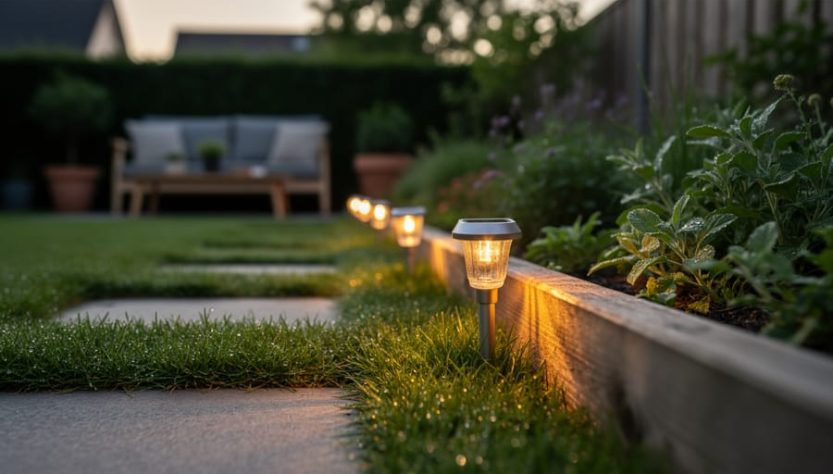
Costco’s solar firefly lights represent far more than ambient garden decoration. These affordable consumer products signal a quiet revolution in distributed solar technology, demonstrating how mainstream retail channels are democratizing renewable energy access in ways policy analysts largely overlooked until recently.
The importance extends beyond individual purchases. When major retailers like Costco stock solar-powered decorative lighting, they’re validating photovoltaic technology for millions of consumers who might never read a renewable energy whitepaper or attend a sustainability conference. Each solar firefly light contains miniaturized versions of the same silicon cell technology powering utility-scale installations, introducing households to solar economics through a sub-$50 purchase rather than a five-figure rooftop commitment.
Market data from 2026 confirms this phenomenon. Consumer solar products, including decorative lighting, now account for over $2.8 billion in annual North American sales. These purchases familiarize buyers with concepts like charge cycles, photovoltaic efficiency, and battery storage capacity. The educational spillover effect proves substantial.
From an environmental standpoint, solar firefly lights eliminate the phantom load of low-voltage landscape lighting systems that traditionally draw constant grid power. While individual units offset modest emissions, the aggregate impact of millions of installations becomes measurable. A typical LED firefly string consumes zero grid electricity over its 3-5 year lifespan, contrasting sharply with plug-in alternatives.
This analysis examines what Costco’s solar firefly lights reveal about renewable energy’s consumer trajectory, their technical specifications, environmental credentials, and their role in normalizing solar technology across demographic segments previously disconnected from clean energy adoption.
The Product Behind the Buzz: What Makes These Solar Lights Stand Out
The Fresh Source Solar Firefly Landscape Lights manufactured by Sol-R-Brite represent a notable convergence of affordability and functional design in the consumer solar market. At $14.99 for a 4-pack configuration, the product delivers 32 individual LED points, with each stake featuring 8 lights positioned along flexible copper wire. This architecture creates the distinctive floating firefly aesthetic that has driven consumer interest, moving beyond the static positioning of traditional solar path lights.
| Specification | Details |
|---|---|
| Pack Contents | 4 stakes |
| Lights Per Stake | 8 LEDs |
| Operation Mode | Automatic dusk-to-dawn |
| Price Point | $14.99 |
| Manufacturer | Sol-R-Brite |
The automatic dusk-to-dawn operation eliminates user intervention through integrated photosensors, a feature that has become standard in residential solar lighting but remains significant for adoption rates. When ambient light levels drop below the sensor threshold, the circuit activates the LED array. The system reverses at dawn, preserving battery capacity during daylight hours when solar charging occurs. This automation addresses a practical barrier in outdoor lighting, removing the manual switching that discourages consistent use of non-solar alternatives.
Sol-R-Brite’s design choice to distribute multiple small LED points along bendable wire rather than clustering them creates visual diffusion that mimics bioluminescent movement when wind is present. The copper wire construction allows users to shape the light distribution across three-dimensional space, adapting the installation to specific landscape features. This flexibility represents an evolution from rigid solar stake designs that dominated the category through the early 2020s, where fixed positioning limited aesthetic integration into varied outdoor environments.
The per-light cost of approximately 47 cents reflects manufacturing efficiencies achieved through scaled photovoltaic cell production and LED component commoditization. For context, decorative solar stakes in 2020 typically commanded $8 to $12 per unit at retail, positioning the current Costco offering well below historical price trajectories while maintaining functional specifications comparable to premium products from earlier market cycles.

Solar Lighting as Gateway Technology: Accessibility Meets Renewable Energy
The $14.99 price tag on Costco’s solar firefly lights represents more than a retail transaction. It marks a threshold moment where renewable energy technology crosses from specialist territory into mainstream consumer impulse buys. When solar-powered products sit between the rotisserie chickens and seasonal patio furniture, they shed the intimidating aura that has historically surrounded renewable energy adoption.
Traditional barriers to solar engagement have been both practical and psychological. Homeowners considering residential solar panels confront substantial upfront costs, installation complexity, and the cognitive burden of calculating long-term returns on investment. Even smaller commitments to renewable technology often require research, specialized retailers, and a degree of environmental conviction that translates intention into action. Products like the Fresh Source Solar Firefly Landscape Lights dismantle these barriers by requiring nothing more than placement in the ground.
The casual accessibility matters profoundly. A shopper adds the lights to their cart alongside groceries, experiencing zero friction in the purchase process. No contractor visits, no roof assessments, no permit applications. The lights work in the shade conditions typical of many yards, eliminating concerns about optimal placement that complicate larger solar installations. This frictionless adoption creates positive first contact with photovoltaic technology for households that might never have otherwise engaged with solar energy.
Major retailers function as gatekeepers of normalcy in American consumer culture. When Costco allocates warehouse floor space to solar products, it signals that renewable technology has graduated from niche environmental statement to standard household item. The warehouse retail environment itself conveys value and practicality rather than ideology, which neutralizes political or cultural resistance that sometimes surrounds renewable energy discussions.
This normalization process proves particularly effective because it operates beneath conscious awareness. Shoppers are not making a deliberate choice to support renewable energy when they purchase decorative lighting. They are selecting an aesthetic product that happens to be solar-powered. The environmental benefit arrives as a secondary consequence rather than a primary motivation, which paradoxically makes widespread adoption more likely than campaigns demanding conscious behavioral change.
The gateway effect extends beyond the immediate purchase. Homeowners who experience the convenience of maintenance-free, cost-free operation in their landscape lighting become psychologically primed for larger solar investments. Familiarity with photovoltaic reliability in low-stakes applications reduces skepticism when considering more substantial renewable energy commitments.

Environmental Impact of Small-Scale Solar Adoption
When millions of households replace traditional outdoor lighting with solar alternatives, the aggregated environmental impact becomes substantial. A single set of Fresh Source Solar Firefly Lights eliminates approximately 25 watts of continuous grid power consumption during evening hours. Across a typical six-month outdoor lighting season, that translates to roughly 45 kilowatt-hours saved per installation. If just one percent of U.S. households adopted similar solar decorative lighting, the cumulative annual energy reduction would exceed 55 million kilowatt-hours, equivalent to powering more than 5,000 homes for a year.
The carbon footprint advantages extend beyond direct energy displacement. Traditional landscape lighting powered by grid electricity generates approximately 0.92 pounds of CO2 per kilowatt-hour in the current U.S. energy mix. Each solar firefly installation therefore prevents about 41 pounds of carbon emissions annually. When multiplied across widespread adoption, these seemingly modest reductions contribute meaningfully to residential sector decarbonization goals, particularly as decorative outdoor lighting represents discretionary rather than essential energy consumption.
The environmental calculus shifts dramatically when considering battery waste elimination:
- Each solar stake eliminates the need for 12-16 disposable AA or AAA batteries annually that conventional battery-powered landscape lights require
- Prevents approximately 0.5 pounds of heavy metal contamination per installation from battery disposal
- Reduces manufacturing emissions associated with single-use battery production by roughly 8 pounds of CO2 per household yearly
- Eliminates the logistical carbon footprint of battery transportation and distribution chains
Unlike plug-in alternatives that require wiring infrastructure and create potential LED lighting pitfalls solar landscape products function entirely off-grid. The integrated photovoltaic panels, while modest in capacity, represent distributed generation that reduces transmission losses and peak evening demand on electrical infrastructure. When homeowners eventually need to replace solar batteries in these units after several years, the rechargeable cells last significantly longer than disposable alternatives and increasingly enter recycling streams designed for solar components. Consumer choices in outdoor aesthetics thus become incremental steps toward broader renewable energy penetration, demonstrating how residential solar adoption need not begin with rooftop installations to deliver measurable environmental returns.
The Economics of Consumer Solar: Why Price Points Matter
The $14.99 price point for the Fresh Source Solar Firefly Landscape Lights represents more than competitive retail pricing. It marks a threshold where solar technology becomes impulse-purchase accessible rather than a considered investment requiring household budget deliberation. At this price, four stakes delivering 32 individual lights cost less per light than conventional battery-operated alternatives, yet they eliminate ongoing operating expenses entirely.
Traditional outdoor decorative lighting imposes hidden costs that accumulate across years of ownership. Battery replacements for comparable string lights run $8 to $15 annually, while plug-in LED landscape lighting adds approximately $2 to $4 per month to electricity bills depending on usage duration. Solar firefly lights eliminate both expense categories. The lights charge throughout the day and operate automatically from dusk to dawn without user intervention, translating to zero marginal cost per hour of operation across their typical three-to-five-year lifespan.
Manufacturing efficiencies achieved by 2026 enable this pricing structure. Photovoltaic cell production costs have declined 89 percent since 2010, while LED efficiency improvements allow smaller solar panels to power more lights for longer durations. Costco’s retail scale further reduces per-unit costs through volume purchasing and streamlined distribution networks that bypass traditional markup chains.
For consumers, the return on investment calculation becomes straightforward. Compared to battery-operated alternatives requiring $40 to $75 in replacement batteries over five years, or plug-in options adding $120 to $240 in electricity costs, the solar firefly lights pay for themselves within months while delivering comparable aesthetic results. This economic reality transforms solar from an environmental choice into a financially rational one, removing the “green premium” that historically discouraged mainstream adoption of renewable alternatives.
Beyond Decoration: Firefly Solar and the Future of Residential Renewable Integration
The Fresh Source Solar Firefly Landscape Lights represent something more significant than another decorative solar product entering the market. They signal a fundamental shift in how renewable technology integrates into residential spaces, moving from conspicuous installations that announce their environmental credentials to subtle, beautiful additions that happen to be solar-powered.
This evolution matters because it addresses a persistent barrier to renewable adoption: the perception that sustainability requires aesthetic compromise. Earlier generations of solar products prioritized function over form, resulting in utilitarian designs that many homeowners found unappealing. The firefly lights flip this equation. Consumers purchase them because they create enchanting nighttime landscapes, not despite being solar-powered but with that feature as a seamless bonus rather than the primary selling point.
This transition reflects the renewable energy market’s maturation in 2026. As manufacturing costs decline and efficiency improves, solar technology can now power products designed for beauty first. We’re seeing this pattern across consumer categories: solar-powered water features that prioritize sculptural design, decorative planters with integrated charging capabilities, and outdoor speakers where solar panels blend invisibly into the housing.
The implications extend beyond individual product categories. When renewable technology becomes invisible by design, it removes friction from adoption decisions. Homeowners who might never consider rooftop solar panels or who view sustainability as a future project find themselves purchasing solar products based purely on aesthetic preference. Each purchase normalizes the technology, builds comfort with solar reliability, and creates mental pathways toward larger renewable energy goals.
The firefly lights also demonstrate how retailers shape renewable adoption patterns. Costco’s decision to stock these products at an accessible price point exposes millions of consumers to solar technology through trusted retail channels. This mainstream distribution strategy accelerates normalization far more effectively than specialized green retailers serving already-converted audiences.
The Fresh Source Solar Firefly Landscape Lights at Costco represent more than a viral product moment. They illustrate a fundamental shift in how renewable energy enters American households. When a major retailer positions solar technology as an impulse purchase at $14.99, the barrier between curiosity and adoption collapses. Consumers who would never research photovoltaic panels or calculate kilowatt-hour savings are now installing solar-powered devices in their yards, often without consciously framing the decision as an environmental one.
This matters because widespread renewable energy adoption has always hinged on accessibility rather than advocacy alone. The firefly lights demonstrate that solar technology has matured beyond functionality into desirability. People choose them for aesthetics while gaining firsthand experience with how solar charging works, how reliable modern panels have become, and how effortlessly renewable energy integrates into daily routines. Each 4-pack with its automatic dusk-to-dawn operation becomes an informal education in passive solar design.
The democratization of solar technology in 2026 isn’t happening primarily through rooftop installations or utility-scale projects. It’s unfolding in incremental choices like these landscape lights, which collectively reshape consumer expectations about what renewable energy looks like, costs, and delivers. When millions of households discover that solar works beautifully for their backyards, the psychological groundwork is laid for larger commitments. Accessible products create accessible mindsets, and that transformation drives the renewable transition forward more effectively than any mandate could.