

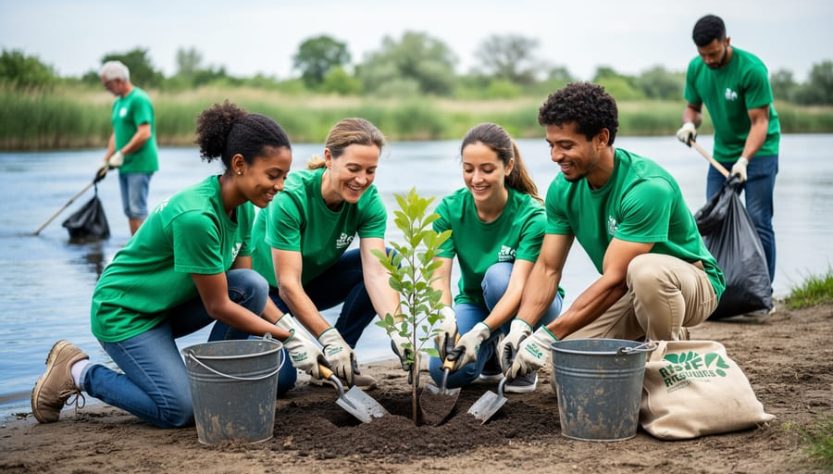
Environmental events serve as powerful catalysts for raising awareness, mobilizing communities, and generating critical funding for conservation and renewable energy breakthroughs. From global campaigns that unite millions across continents to intimate community gatherings that spark local action, these initiatives translate environmental concern into tangible outcomes. They range from Earth Hour’s coordinated light switch-off involving billions of participants to neighborhood clean-up drives that remove tons of waste from urban waterways.
The most effective environmental events share common elements: clear objectives tied to measurable impact, engaging formats that lower barriers to participation, and transparent mechanisms that connect donations or volunteer hours directly to conservation results. Whether you’re a nonprofit director planning your next fundraiser, an activist seeking proven models to replicate, or a sustainability professional evaluating partnership opportunities, understanding the full spectrum of event types available is essential.
This guide examines 12 distinct environmental event formats currently driving change in 2026. Each example includes its core structure, audience reach, and fundraising approach, offering concrete templates you can adapt to your organization’s capacity and mission. The selection spans virtual campaigns requiring minimal resources, hybrid conferences that blend education with networking, and large-scale outdoor events that demonstrate renewable technology in action.
How We Selected These Environmental Events
Our editorial team applied rigorous criteria to ensure this list represents meaningful environmental events rather than a superficial roundup. We prioritized examples that demonstrate genuine impact on awareness, fundraising, and renewable energy advocacy while showcasing the breadth of approaches communities can take.
Each event featured here met these selection standards:
- Geographic diversity spanning local, national, and international scales
- Proven track record of raising environmental awareness and generating measurable outcomes
- Format variety including in-person gatherings, virtual platforms, and hybrid models
- Clear connection to renewable energy transition or broader sustainability goals
- Accessibility for different participation levels, from attendees to organizers
- Demonstrated fundraising component or community engagement mechanism
We excluded purely commercial trade shows without educational value and one-off events lacking replicable models. The result is a cross-section of established annual campaigns and emerging formats that together illustrate how environmental events mobilize resources, educate stakeholders, and accelerate climate action. Whether you’re a nonprofit director planning your next fundraiser or an individual seeking ways to contribute, these examples offer concrete blueprints for engagement.
Annual and Recurring Environmental Awareness Events
1. Earth Hour, Global Lights-Out Campaign
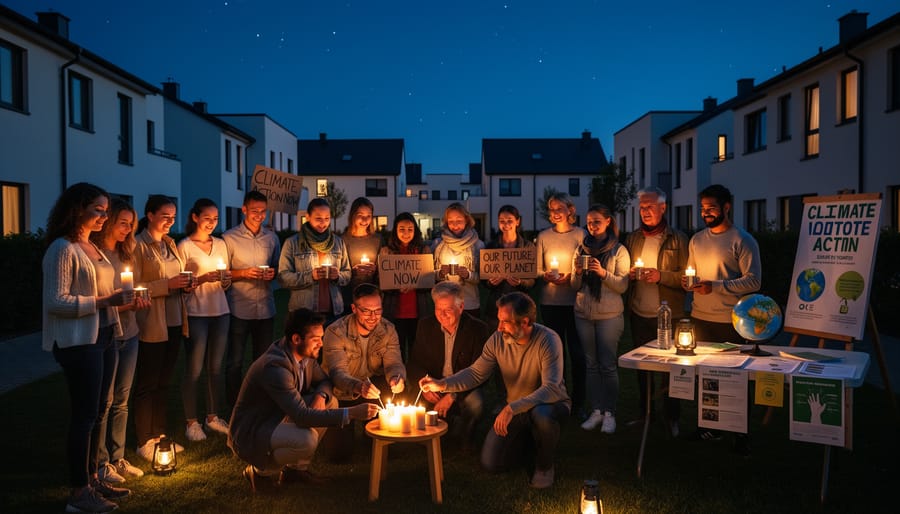
Earth Hour, organized annually by WWF since 2007, unites millions of people across more than 190 countries and territories in a synchronized lights-out demonstration every March. Participants, from individuals at home to iconic landmarks like the Eiffel Tower and Sydney Opera House, switch off non-essential lights for sixty minutes, creating a visible global statement on climate urgency. The campaign’s fundraising arm channels donations toward WWF’s renewable energy projects, habitat conservation, and policy advocacy work. Beyond the symbolic gesture, Earth Hour drives year-round climate initiatives: Earth Hour milestones include funding solar installations in remote communities and supporting legislation for clean energy transitions. The event also highlights how simple actions, like reducing unnecessary electricity use and addressing LED lighting pitfalls in sustainability strategies, can scale into meaningful environmental impact when adopted collectively.
2. World Environment Day, Community Action and Fundraising
World Environment Day, held every June 5 since 1973, is the United Nations’ flagship event for encouraging worldwide awareness and action for environmental protection. Each year focuses on a specific theme, recent iterations have spotlighted plastic pollution, biodiversity restoration, and ecosystem revitalization, giving communities a unifying message around which to rally local efforts.
Cities and towns organize cleanups targeting rivers, parks, and urban green spaces, often in partnership with municipal governments and environmental nonprofits. Tree planting initiatives transform vacant lots into community forests while sequestering carbon and cooling neighborhoods. Educational workshops at libraries and schools introduce renewable energy concepts to residents, demonstrating solar panel installations or hosting talks on sustainable living practices.
Fundraising takes multiple forms: sponsored cleanup events where participants gather pledges for every bag of litter collected, plant-a-thon campaigns selling tree dedications to fund larger reforestation projects, and ticketed eco-fairs featuring local vendors committed to sustainability. Nonprofits use the day’s visibility to launch annual giving campaigns, capitalizing on heightened public engagement. The decentralized nature of World Environment Day empowers grassroots organizers to tailor activities to their community’s specific environmental challenges while contributing to a coordinated global movement.
3. Climate Week NYC, High-Impact Conferences and Forums
Climate Week NYC has evolved into one of the world’s most influential environmental events, drawing thousands of leaders from government, corporate, and nonprofit sectors each September. Hosted alongside the UN General Assembly, this week-long series transforms New York City into a hub for climate action, with over 500 affiliated events spanning panel discussions, technology showcases, and investment forums.
The programming addresses every facet of climate solutions, from renewable energy financing to grid modernization and carbon markets. Major corporations use the platform to announce sustainability commitments and green energy partnerships, while startups pitch innovative technologies to investors actively seeking climate-focused opportunities. Policy workshops bring together lawmakers and industry experts to shape frameworks that accelerate renewable deployment.
What distinguishes Climate Week from smaller gatherings is its direct influence on capital flows and policy development. Deals get signed, coalitions form, and ambitious targets gain momentum through the concentrated networking opportunities. Many participating organizations host fundraising dinners and pledge drives that channel millions toward renewable energy projects and climate research initiatives. Attendance typically requires registration through individual event organizers, with options ranging from free public sessions to ticketed executive forums.
4. Earth Day Celebrations, Grassroots Events Worldwide
Earth Day, celebrated globally on April 22, originated in 1970 as a single-day protest and has since grown into the world’s largest civic event, with over one billion participants across more than 190 countries. What distinguishes Earth Day from centralized campaigns is its fundamentally grassroots nature. Communities organize thousands of independent events tailored to local environmental priorities and cultural contexts.
Common formats include educational fairs where renewable energy companies demonstrate solar installations and heat pump technology, cleanup drives targeting parks and waterways, tree planting ceremonies that engage schoolchildren, and fundraising walks supporting local conservation groups. Many municipalities host sustainability expos featuring workshops on home energy efficiency, electric vehicle showcases, and panels with climate scientists and policy advocates.
Fundraising mechanisms vary widely. Some events charge modest admission fees for environmental nonprofits, while others rely on corporate sponsorships from renewable energy firms or crowdfunding campaigns tied to participation pledges. The decentralized model allows organizers to address region-specific concerns, whether promoting offshore wind development in coastal areas or advocating for solar access programs in underserved neighborhoods, making Earth Day a uniquely adaptable platform for environmental education and community mobilization.
5. National Renewable Energy Expo and Conference
Industry-focused renewable energy expos serve as crucial marketplaces where technology meets advocacy. These multi-day conferences, held annually in countries ranging from the United States and Germany to India and Australia, bring together manufacturers, installers, policymakers, and environmental organizations under one roof. Attendees explore exhibition halls filled with the latest solar panel designs, wind turbine innovations, energy storage solutions, and grid integration technologies.
What distinguishes these expos from purely commercial trade shows is their dual mission. Beyond facilitating business deals and showcasing technical advances, many host evening fundraising galas benefiting environmental nonprofits. Conference organizers partner with climate action groups, renewable energy access initiatives, and conservation organizations to raise substantial funds through ticket sales, silent auctions, and corporate sponsorships. These events attract decision-makers with purchasing power and philanthropic capacity, making them efficient vehicles for channeling industry resources toward environmental causes.
Workshops and panel discussions complement the exhibitions, addressing policy barriers, financing mechanisms, and community-scale project implementation. For professionals and advocates alike, these expos provide networking opportunities that translate technical innovation into real-world environmental impact.
6. Coastal Cleanup Day, Ocean Conservation Fundraisers
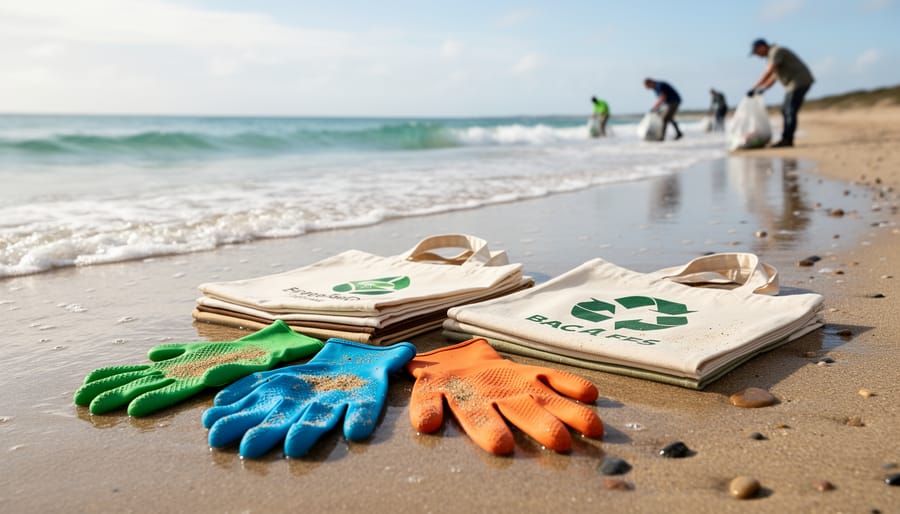
Coastal Cleanup Day, coordinated annually by Ocean Conservancy on the third Saturday of September, mobilizes hundreds of thousands of volunteers across coastlines and inland waterways worldwide. Participants collect trash, document marine debris types, and contribute data to global ocean health research. The event’s power lies in its dual impact: immediate environmental restoration through debris removal and long-term advocacy fueled by the documented evidence of pollution sources.
Many local chapters transform cleanup efforts into fundraising opportunities by pairing volunteer activities with donation drives. Participants often secure sponsorships for pounds of trash collected, while others host post-cleanup beach festivals featuring local vendors, educational exhibits on ocean renewable energy technologies, and silent auctions benefiting marine conservation programs. Corporate sponsors frequently match volunteer hours with monetary contributions to ocean protection initiatives.
The event’s data collection component strengthens funding proposals for marine research, including offshore wind farm environmental impact studies and wave energy pilot projects. By connecting hands-on conservation with renewable ocean energy advancement, Coastal Cleanup Day demonstrates how grassroots environmental action can generate both immediate community engagement and sustained financial support for protecting marine ecosystems.
7. Global Wind Day, Wind Energy Advocacy Events
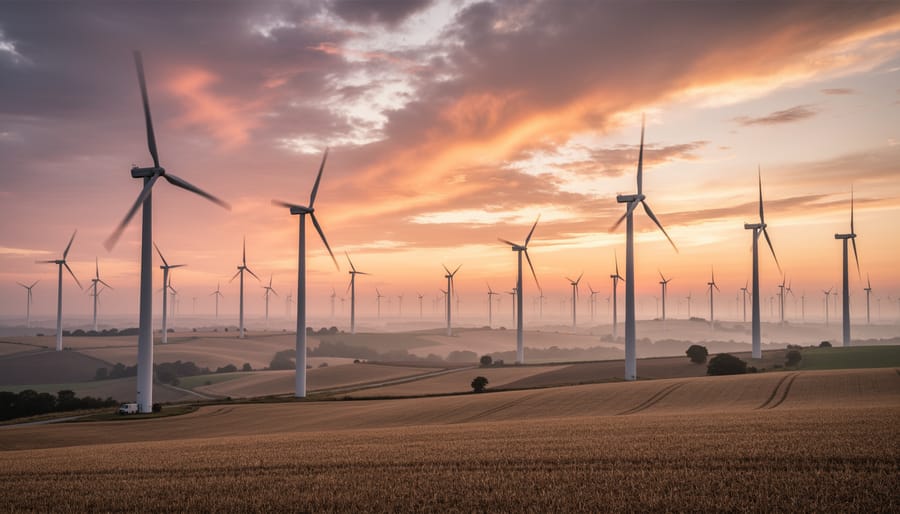
Global Wind Day on June 15 brings together communities worldwide to celebrate wind power and accelerate its adoption. Wind farms and energy companies open their doors for guided tours, allowing visitors to see massive turbines up close and learn how turbines work to convert kinetic energy into clean electricity. Educational workshops at these sites explain blade design, grid integration, and the economic benefits of wind installations.
Many events incorporate fundraising elements, donation drives to support offshore wind research, raffles funding community wind projects in underserved areas, or crowdfunding campaigns for educational materials. Local environmental groups partner with industry stakeholders to host family-friendly festivals featuring interactive exhibits, kite-flying demonstrations that illustrate wind principles, and panel discussions on policy barriers to wind expansion.
The day’s global reach, with coordinated activities across 80+ countries, creates momentum for advocacy efforts. Participants often sign petitions supporting wind-friendly zoning laws or pledge to advocate for renewable energy in their municipalities, translating awareness into tangible policy pressure.
One-Time and Emerging Event Models
8. Virtual Climate Summits, Digital Fundraising Platforms
Virtual climate summits have transformed environmental advocacy by eliminating geographic barriers and significantly reducing event costs. Organizations like Climate Reality Project and regional environmental coalitions host multi-day webinar series featuring scientists, policymakers, and renewable energy entrepreneurs addressing topics from solar technology advances to climate finance mechanisms. These digital platforms integrate fundraising through tiered registration fees, voluntary donation prompts during sessions, and matching-gift campaigns that appear between panels.
The format proves particularly effective for reaching diverse audiences: a summit might attract attendees from fifty countries who couldn’t afford international travel to a physical conference. Many platforms incorporate interactive elements, live Q&A sessions, breakout rooms for regional discussions, and virtual exhibition halls where sponsors and green technology companies showcase solutions while contributing event funding. Post-summit recordings extend impact further, generating ongoing donations through gated access models.
Successful virtual summits typically maintain tight scheduling (two to three hours daily over several days rather than exhausting all-day sessions) and offer translated captions, making renewable energy education accessible to non-English speakers and expanding the potential donor base globally.
9. Renewable Energy Community Fairs, Local Fundraising Events
Renewable energy community fairs bring sustainability demonstrations directly to neighborhoods, creating accessible entry points for residents curious about clean energy technologies. These local events typically feature hands-on exhibits where attendees can explore solar panel efficiency, test-drive electric vehicles, and speak with installers about residential system costs. Vendors from green businesses showcase energy-efficient appliances, home weatherization services, and local renewable providers.
Fundraising mechanisms at these fairs range from vendor booth fees and raffle ticket sales to direct donation stations supporting community solar gardens or municipal wind projects. Some municipalities structure these events around matching grant campaigns, where local governments pledge to match funds raised for specific renewable installations like school solar arrays or public charging infrastructure.
The intimate scale of community fairs fosters direct dialogue between renewable energy professionals and potential adopters, breaking down technical barriers and cost misconceptions. Live demonstrations, such as solar oven cooking or bike-powered generators, transform abstract concepts into tangible experiences, while local success stories from early adopters provide relatable proof of concept that corporate messaging often lacks.
10. Corporate Sustainability Challenges, Workplace Engagement
Corporate sustainability challenges transform the workplace into an active environmental awareness venue while generating meaningful financial support for green causes. These employer-sponsored initiatives typically invite employees to participate in time-bound competitions focused on measurable environmental actions, reducing personal carbon footprints, switching to renewable energy at home, eliminating single-use plastics, or committing to public transit and cycling for their commute.
The fundraising mechanism often involves corporate matching: companies pledge donations based on participation rates or total impact achieved. For instance, an organization might donate $5 per employee who completes a month-long green commute challenge, or match employee contributions to a selected environmental nonprofit. Some programs award points for sustainable behaviors that convert into corporate donations toward renewable energy projects or conservation efforts.
These events build awareness through gamification and friendly competition between departments, making environmental action tangible and social. They also demonstrate corporate commitment to sustainability goals, strengthening both internal culture and external reputation. Participation requires minimal barriers, employees simply track actions through apps or reporting systems, making workplace challenges accessible entry points for environmental engagement.
11. Student-Led Climate Action Days, Educational Fundraisers
Student-organized climate action days have emerged as powerful vehicles for environmental education and fundraising on campuses worldwide. These events typically feature sustainability-focused film screenings followed by expert panel discussions, teach-ins covering renewable energy technologies and climate science, and creative fundraising initiatives such as silent auctions of donated eco-products or crowdfunding campaigns for campus solar installations.
Universities like Stanford and Edinburgh host annual student-led climate weeks that combine educational workshops on wind and solar careers with fundraising drives supporting local environmental nonprofits. High schools increasingly organize similar events, often partnering with renewable energy companies for hands-on demonstrations that show students potential career paths while raising money for school sustainability projects.
These youth-driven events prove particularly effective at translating awareness into action. Students learn advocacy skills, gain exposure to clean energy professions, and build fundraising experience that extends beyond their campuses. Many incorporate direct-action components, petition drives for campus carbon neutrality, letter-writing campaigns to policymakers, that transform educational moments into lasting environmental commitments while generating financial support for climate solutions.
12. Charity Runs and Outdoor Events for Environmental Causes
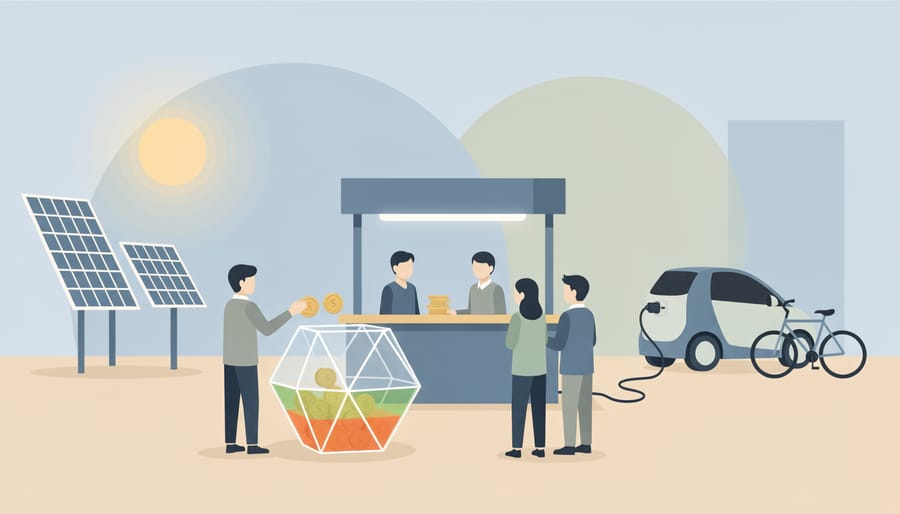
Charity runs, cycling events, and outdoor challenges offer an engaging way to merge physical activity with environmental fundraising. These events typically operate on a participant registration model where entry fees and individual fundraising pledges directly support conservation initiatives, renewable energy projects in underserved communities, or climate adaptation programs.
Marathons and half-marathons with environmental themes often feature zero-waste race operations, locally-sourced refreshments, and educational booths from partner organizations. Cycling events range from urban bike-a-thons promoting clean transportation to multi-day road tours raising funds for specific renewable energy installations. Hiking challenges and trail cleanups combine conservation work with fundraising through sponsor pledges based on distance or waste collected.
The appeal lies in tangible participation: runners and cyclists become active ambassadors, using personal fitness goals to mobilize their networks for environmental causes. Many events partner with corporations for matching donations, amplifying impact while raising awareness about renewable energy solutions among participants who might not otherwise engage with climate issues through traditional advocacy channels.
What Makes an Environmental Event Successful
The most effective environmental awareness events share several core characteristics that amplify their impact beyond a single gathering. Clear, actionable messaging stands out as the foundation, successful events communicate specific goals rather than vague environmental concerns, making it easy for attendees to understand exactly what they’re supporting and why it matters.
Diverse engagement opportunities keep participants involved across different comfort levels and skill sets. The best events layer activities, combining educational panels with hands-on workshops, networking sessions with volunteer opportunities, and entertainment with advocacy training. This variety ensures attendees find meaningful ways to contribute whether they’re industry professionals, students, or concerned citizens.
Measurable impact goals separate memorable events from forgettable ones. Strong organizers set concrete targets, planting 5,000 trees, raising $50,000 for solar panel installations, or registering 1,000 carbon reduction pledges, and track progress visibly throughout the event. This transparency builds trust and motivates participants.
Strategic fundraising integration matters tremendously. Rather than treating donations as an awkward afterthought, effective events weave fundraising naturally into the experience through sponsor recognition, matching challenges, tiered participation options, and clear explanations of how funds advance renewable energy projects.
Community partnerships extend reach and credibility. Events that collaborate with local businesses, schools, environmental organizations, and government agencies tap into established networks and demonstrate broad-based support. These partnerships often provide venues, volunteers, and promotional channels that individual organizers couldn’t access alone.
Follow-up action channels convert single-day enthusiasm into lasting engagement. The strongest events don’t end when attendees leave, they provide clear next steps through volunteer sign-ups, recurring donation options, advocacy toolkits, and ongoing communication that maintains momentum toward renewable energy goals.
How to Find and Participate in Environmental Events
Finding the right environmental awareness events starts with knowing where to look and how to engage meaningfully once you’ve identified opportunities that align with your interests and skills.
Discovering Events Near You
Start by checking websites of major environmental organizations like the Sierra Club, and local renewable energy councils, which maintain event calendars listing conferences, cleanups, and fundraisers in your area. Social media platforms, particularly Facebook Events and LinkedIn, host dedicated pages for climate action groups where organizers post upcoming gatherings. Many municipalities publish environmental event listings on their sustainability department websites or community boards. For industry-focused conferences and expos, subscribe to newsletters from renewable energy trade associations and professional networks in your region.
Maximizing Your Participation
To make your involvement count, consider these approaches:
- Volunteer for event planning committees to gain deeper engagement and build connections with organizers
- Set up personal fundraising pages through event platforms to amplify donation campaigns
- Share event details across your networks to expand reach and attendance
- Document your participation with photos and reflections for social media advocacy
- Follow up after events by joining ongoing working groups or campaigns
Connect with events near you through local environmental hubs and community groups. Beyond attending, offer specific skills like graphic design, data analysis, or public speaking to support event organizers. Post-event, stay engaged by implementing lessons learned, advocating for policy changes discussed, and recruiting others to future gatherings.
Frequently Asked Questions
Environmental awareness events spark questions from potential participants and organizers alike. Here are answers to common queries about how these gatherings work and how you can get involved.
How do environmental events raise funds?
Events generate revenue through registration fees, sponsorships from green businesses, merchandise sales, auctions, corporate matching programs, and direct donation campaigns integrated into the event experience. Many successful events combine multiple funding streams to maximize impact.
Can virtual events be as effective as in-person gatherings?
Virtual events often reach broader audiences at lower costs and can be highly effective for awareness-building and fundraising through digital donation platforms. However, they may lack the community-building and hands-on engagement opportunities that physical events provide, so many organizations now use hybrid formats.
What skills are needed to organize an environmental event?
Core skills include project management, budget planning, volunteer coordination, marketing and communications, partnership development, and basic knowledge of environmental issues. Many successful organizers start small and build expertise through experience, often collaborating with established environmental groups.
How do I start an environmental event in my community?
Begin by identifying a specific environmental issue relevant to your area, partner with local nonprofits or renewable energy organizations for expertise and credibility, secure a venue or online platform, and promote through community networks and social media. Starting with a modest pilot event lets you test concepts and build momentum for future iterations.
Whether you’re considering attending your first environmental event or planning to organize one, these gatherings offer flexible formats and multiple entry points for participation. The key is matching your time, skills, and passion to opportunities that align with your environmental priorities and community needs.
Environmental awareness events are more than calendar dates, they are catalysts for tangible change in how communities generate and consume energy. From the coordinated symbolism of Earth Hour to the technical expertise shared at renewable energy expos, these gatherings transform abstract climate goals into concrete action. They mobilize funding for solar installations in underserved areas, educate thousands about wind power potential, and forge partnerships between policymakers and grassroots activists.
The transition to clean energy demands both technological innovation and public will. Events bridge that gap, turning passive concern into active participation. Whether you join a coastal cleanup fundraiser, sponsor a student climate action day, or simply spread awareness about a virtual summit, your involvement matters. These collective efforts create the social and financial momentum needed to scale renewable infrastructure, influence policy, and make sustainable energy accessible to all. The next breakthrough in community solar, offshore wind, or grid resilience may well be funded by the event happening in your city next month.